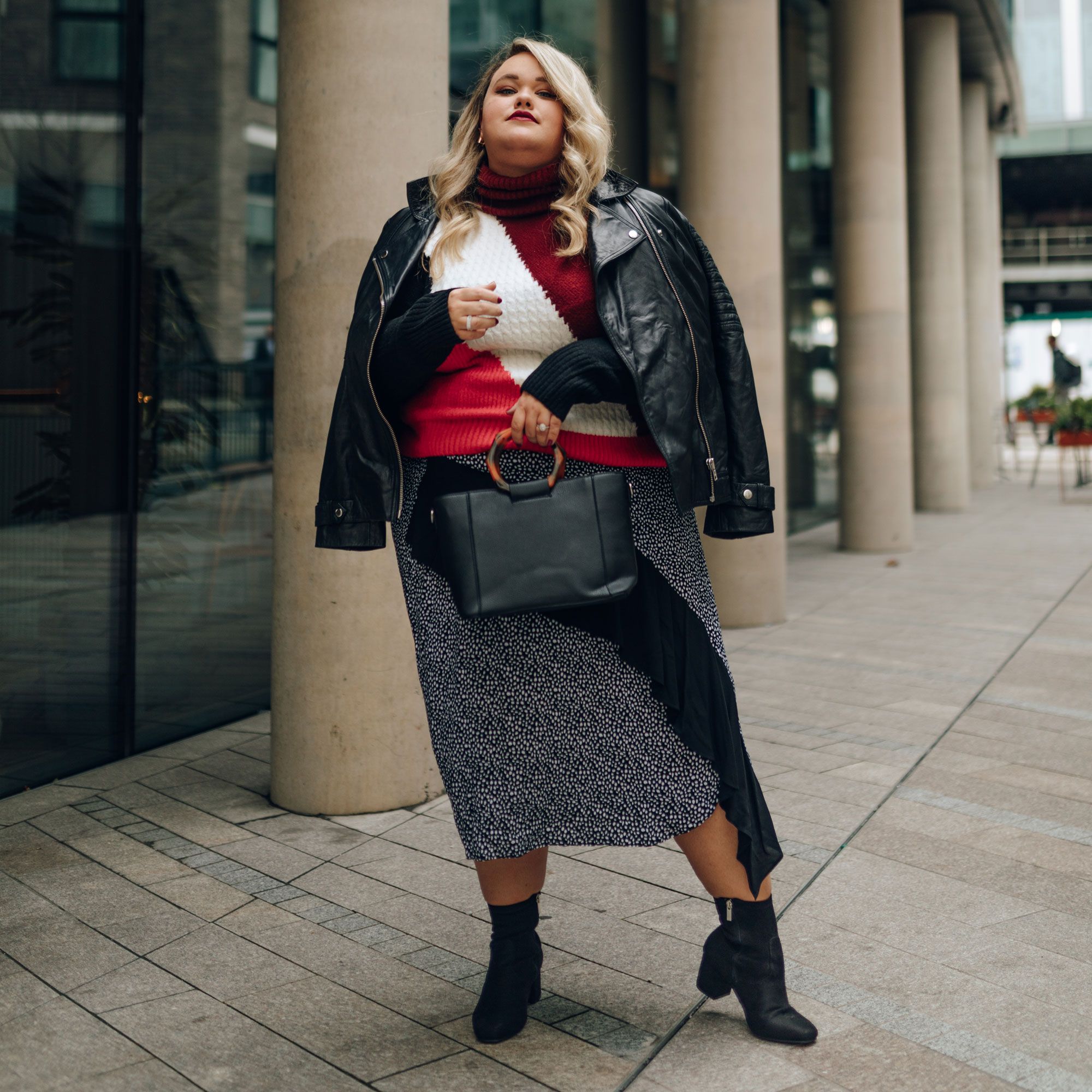
In the sprawling mosaic of modern feminism, plus-size influencers sparkle like untamed constellations—brilliant, unapologetic, and fiercely original. Yet beneath the shimmer lies a labyrinthine web spun by brands eager to harness their magnetic appeal without truly embracing the radical ethos they embody. This is a tale of co-optation and compartmentalization, a narrative where the vibrant spectrum of plus-size voices is distilled into neatly packaged commodities, sanitizing rebellion into palatable aesthetics. The journey of plus-size influencers within the capitalist frameworks of fashion and marketing is a study in paradox, exposing how empowerment is often ensnared within the gilded cages of marketability.
The Allure of the Unapologetic: Plus-Size Influence as Revolutionary Currency
Plus-size influencers occupy a distinctive cultural space—a site of insurgency against traditional beauty paradigms. They are the living, breathing antithesis to slender hegemony, exuding confidence that radiates far beyond mere clothing. Their appeal is a combustible cocktail of defiance, authenticity, and vulnerability that unsettles the status quo. Brands, sensing this untamed energy, view these influencers as potent vessels to channel incremental inclusivity without dismantling the very systems that oppress.
This allure is not merely aesthetic. It is deeply political, embedded in the narratives these women craft about self-love, body autonomy, and intersectional feminism. Their followers often find sanctuaries in these messages—spaces where societal shame is replaced with pride and resilience. Yet the challenge emerges when brands, acting as gatekeepers, commodify this fierce individuality as a limited edition product, stripping it of its broader emancipatory power.
Brand Co-optation: The Facade of Inclusion
At the heart of this dynamic lies a complicated dance of inclusion and exploitation. Brands clamor to associate with the plus-size movement, erecting campaigns that boast diverse sizing and body representation. However, this veneer of inclusivity frequently conceals a strategic co-optation. By selecting a handful of influencers to represent their entire plus-size demographic, brands reduce multifaceted identities into digestible archetypes. The rebellious roar becomes a whisper confined to glossy advertorials.
Co-optation operates like a velvet noose—soft to the touch but restrictive in essence. Influencers find themselves becoming curated personas tailored to fit brand narratives that prioritize sales over social change. Authentic storytelling is sacrificed on the altar of mass appeal, and the raw edges of feminist critique are dulled to ensure compatibility with corporate values. The result is a sanitized empowerment that placates consumer desires without challenging systemic exclusion.
The Silos of Representation: Segmentation and Marginalization Within the Movement
Rather than integrating plus-size influencers into the broader spectrum of fashion and feminist discourse, brands often isolate them in discrete silos—special plus-size campaigns, niche collections, and segregated marketing channels. This segmentation is a subtle form of marginalization. It signals to consumers and industry insiders alike that plus-size representation is a separate category, a niche interest rather than an intrinsic aspect of the brand’s identity.
Such compartmentalization undermines the underlying feminist impulse of universality and solidarity. By siloing plus-size bodies, brands foster a scenario reminiscent of social ghettos: visible yet disconnected, acknowledged but not embraced. This spatial metaphor extends to digital realms as well, where algorithmic biases and curated feeds further entrench segregation, limiting the reach and influence of plus-size voices. The silo becomes both a refuge and a cage—a paradoxical space where visibility exists but true integration remains elusive.
The Unique Appeal: Beyond Size to the Politics of Presence
What sets plus-size influencers apart is not simply their physical dimensions but their embodiment of resistance itself. Their very presence unsettles entrenched ideals and instead constructs new paradigms of beauty and power. This unique appeal challenges the notion that feminism is a monolith, revealing instead a kaleidoscope of experiences where body size intersects with race, gender identity, class, and more.
In this way, plus-size influencers do more than model clothes—they model courage. They broadcast a politics of presence that demands recognition beyond superficial acceptance. Their content transcends fashion, becoming a battleground where cultural norms are contested and reimagined. This magnetism unsettles brands that prefer predictability and control, creating a tension between authentic empowerment and commodified representation.
Resistance and Reclamation: Rewriting the Narrative
Amidst the entangling forces of co-optation and siloing, plus-size influencers persist as agents of reclamation. They wield their platforms not merely as stages for display but as arenas for activism and community-building. Many actively critique the limitations imposed by partnerships, using candid storytelling to expose the inner mechanics of brand dynamics.
Moreover, grassroots movements and independent collectives have emerged, disrupting traditional brand hierarchies and fostering inclusive spaces that resist commodification. These efforts illustrate a fascinating dialectic: influence wielded not just as currency but as a weapon to unmask and dismantle oppressive frameworks. The fight is ongoing; it pulses with the same radical energy that birthed the plus-size movement itself.
Conclusion: Navigating the Mirage of Feminist Capitalism
The relationship between plus-size influencers and brands is a shimmering mirage—promising liberation but often delivering containment. This paradox reveals the limits of feminist capitalism, where empowerment is packaged, sold, and contained within market-friendly parameters. Yet, in the cracks of this system, plus-size influencers carve out spaces of genuine transformation, embodying a feminism that refuses to be boxed.
To truly honor the revolutionary potential embedded in plus-size influence, brands must move beyond tokenistic inclusion and segmented marketing. They must engage with the full complexity of these voices and recognize them not as trendsetters to be tamed but as catalysts of cultural metamorphosis. Only then can the glittering constellation of plus-size feminism shine without confines—wild, untamed, and irrevocably free.