There is a peculiar fascination with unpaid care work, a quiet labor predominantly shouldered by women. It is an invisible weight—an unheralded burden—that we accept almost reflexively. Feminism, in its relentless quest for equality, has long spotlighted this systemic imbalance. But what if the key to lightening this load lies not just in policy or protest, but in the revival of communal care mechanisms like social prescribing? Rituals echoing the simplicity and solidarity of meal trains could be the radical remedy to a universal dilemma. This exploration unravels the intersection where feminist critique meets community-driven care innovations, revealing underlying truths that transform obligation into opportunity.
The Unseen Architecture of Feminine Labor
Feminism has deftly illuminated the invisible architecture of women’s labor—domestic chores, emotional support, caregiving—that sustains societies yet remains profoundly undervalued. This labor doesn’t operate under the spotlight of economic metrics; it thrives in the shadowlands of everyday life, an unnoticed choreography of survival and love. The fascination with this hidden workforce stems from its paradoxical nature: essential yet unacknowledged. Here lies a core tension. Society demands women perform these roles flawlessly, while offering scant recognition or relief.
Psychological theorists call this “emotional labor”: the effort exerted in managing feelings and relationships to fulfill societal roles. Women disproportionately bear this burden, acting as family’s often unnoticed emotional anchors. This persistent, exhausting responsibility shapes identities as much as socioeconomic conditions. Feminism’s struggle, therefore, is not solely about rights or wages; it’s about reclaiming capacity and autonomy from an unyielding, invisible duty.
Social Prescribing: Communal Care Reimagined
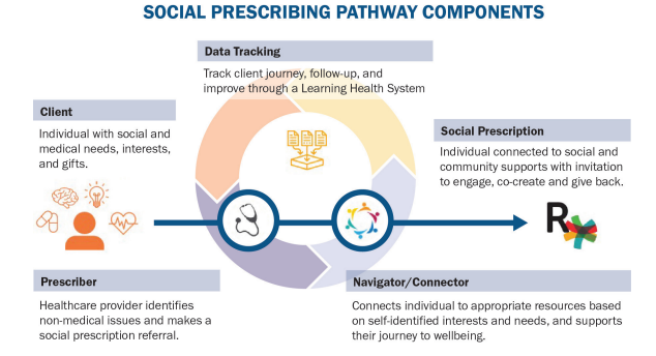
Social prescribing emerges as a transformative counterpoint. Unlike traditional medical interventions, it integrates community resources into individuals’ health management, recognizing that wellbeing transcends pharmaceuticals and clinical tests. It endorses holistic, socially embedded support—ranging from exercise groups to art therapy—and crucially, reconnects individuals with meaningful human contact.
The brilliance of social prescribing is that it reframes care as a shared community endeavor rather than a unilateral obligation. This framework revitalizes the ancient practice of mutual aid, fostering networks that dilute the oppressive concentration of caregiving. By weaving social fabric deliberately and compassionately, social prescribing does more than treat symptoms; it mitigates the systemic isolation that often compounds emotional and physical strain.
What Meal Trains Reveal About Feminist Solidarity
Meal trains—where community members take turns providing meals to caregivers or those in crisis—embody a tactile, grassroots manifestation of social prescribing. A seemingly simple act, yet it encapsulates feminist ideals: collective responsibility, recognition of invisible labor, and practical support that validates experience rather than ignores it.
This ritual undermines the myth of the solitary, self-sufficient caregiver. It acknowledges that vulnerability is universal and that strength blooms through interdependence. Feminism’s fascination with such practices is not nostalgic but strategic. Restoring direct interpersonal support networks to offload daily pressures can catalyze profound cultural shifts. It makes caregiving visible and therefore delegitimizes its exploitation.
Changing the Narrative: From Heroism to Humanity
Within feminist discourse, there is a dangerous allure to heroizing caregiving—portraying it as a noble sacrifice intrinsic to womanhood. Such veneration, while well-intentioned, perpetuates entrapment by glorifying exhaustion and self-erasure. Social prescribing and meal trains, by contrast, dismantle this narrative. They invite us to see caregiving simply as labor: important, but not superhuman, onerous yet shared.
This paradigmatic shift from isolated heroism to collective humanity resists oppressive stereotypes and reclaims dignity. It challenges us to redefine success not by individual endurance but by communal thriving. In practice, this means institutional support systems that integrate with, rather than replace, local networks of care.
Beyond the Individual: Structural Implications for Feminism
While intimate gestures like meal trains provide immediate relief, their feminist promise extends into systemic transformation. Social prescribing serves as a model for policy that recognizes and redistributes caregiving duties. Legislations that facilitate flexible work, fund community centers, and invest in social capital align with this ethos. They challenge patriarchal norms that sequester caregiving within private spheres and valorize economically productive activities exclusively.
Ultimately, social prescribing signals a shift in societal values: health and wellbeing reside not in isolation but in interconnectedness. Feminism’s investiture in such models highlights a nuanced desire for equity that encompasses economic, emotional, and communal dimensions. This reconciliation between policy innovation and grassroots experience holds remarkable potential to recalibrate gendered expectations.
The Deeper Reason Behind Our Compulsion
The enduring fascination with the feminine labor burden isn’t simply about inequality. It taps into primal human concerns—belonging, empathy, survival—that transcend gender yet are systematically gendered. Meal trains and social prescribing gestures resonate because they offer a relief valve for the emotional pressures that modern life amplifies. They promise a re-enchantment of care, making it not a sacrifice but a shared ritual imbued with meaning.
This subtle allure hints at a collective subconscious yearning to dissolve isolation and rebuild community amid the accelerating pace of contemporary life. Feminism, in embracing these emergent solutions, channels a deeper human truth: balancing the load is as much spiritual as it is political. It pushes us toward a future where caregiving is not a fatigue-inducing burden but a celebrated human connection—accessible, equitable, enduring.
Conclusion: Embracing Reciprocity to Redefine Feminism
Social prescribing, particularly exemplified by communal acts like meal trains, offers provocative insight into dismantling the invisible burdens that feminism has long critiqued. It teaches that the antidote to systemic caregiving oppression is not solo heroism but interdependence and reciprocity. This model questions entrenched assumptions about labor, value, and gender, inviting a reinvention of societal care infrastructure.
By embracing such community-based frameworks, feminism can transcend abstract theory and effect tangible change. It stakes a claim for a future where burdens are shared, care is visible, and the feminine labor force is not a silent casualty of social expectation but a vibrant testament to collective strength. In this transformation lies a powerful promise: liberation not merely from oppressive duties, but toward a culture that honors and lightens the load—together.