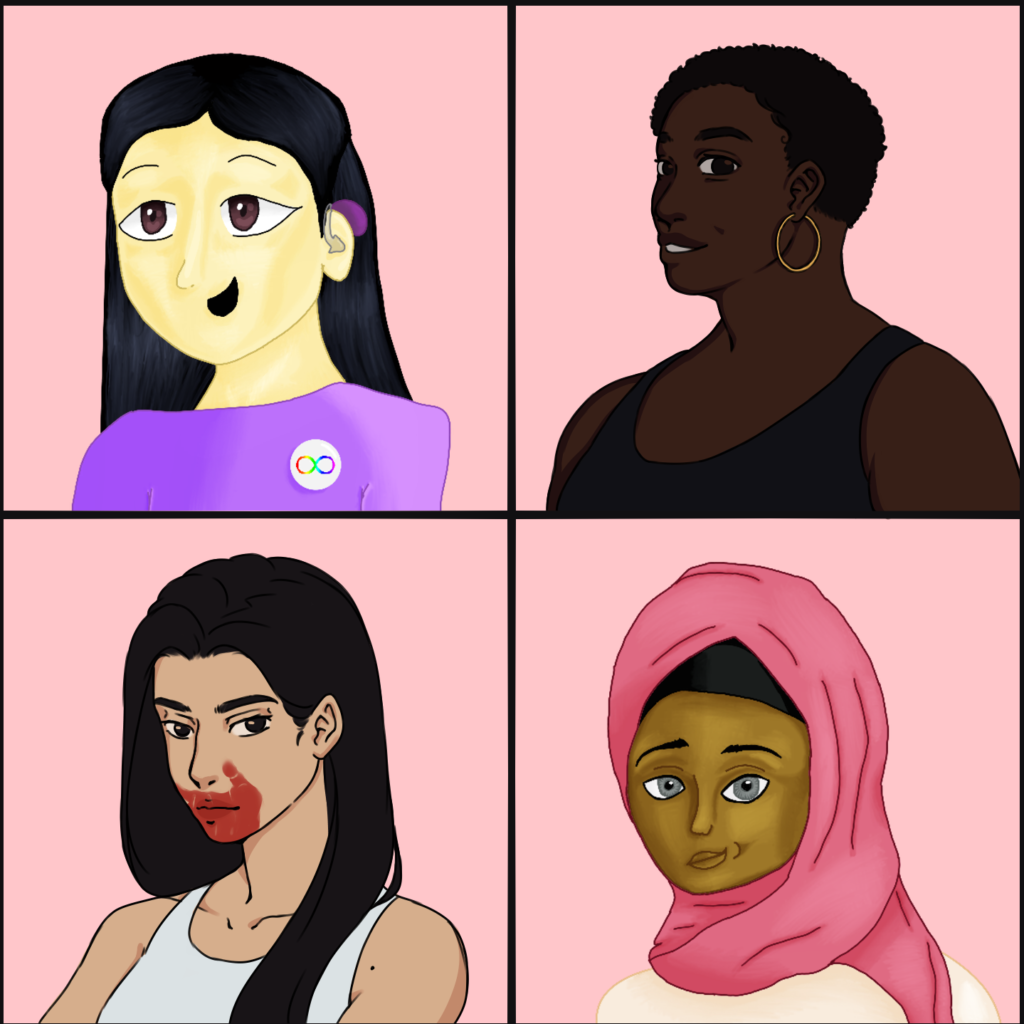
In an era where digital activism is both a battleground and a sanctuary, feminism must evolve beyond the fleeting outrage of a news cycle. The internet is a vast, ever-shifting archive of voices—some amplified, others erased. To build a feminist digital campaign that doesn’t just trend but endures, we must reject the ephemeral in favor of the eternal. This isn’t about viral moments; it’s about constructing a digital ecosystem where feminist discourse thrives long after the algorithms have moved on. The challenge? Crafting content that doesn’t just capture attention but sustains it, that doesn’t just provoke a reaction but ignites a movement. Here’s how.
The Foundational Pillars: Content That Resonates Beyond the Moment
Every enduring feminist campaign begins with a bedrock of unshakable principles. These are not just slogans but the ideological scaffolding that holds the structure together. The first pillar is intersectional storytelling—content that refuses to flatten the complexities of lived experience into digestible soundbites. Instead, it weaves narratives that acknowledge the overlapping oppressions of race, class, disability, and sexuality, ensuring that no feminist discourse is monolithic. The second pillar is data-driven empathy—using statistics not as cold numbers but as emotional catalysts. A campaign that cites the disproportionate impact of maternal mortality on Black women isn’t just informative; it’s a call to dismantle systems. The third pillar is radical accessibility—designing content for those who are often excluded from digital spaces: neurodivergent users, those with limited internet access, and non-English speakers. A feminist campaign that doesn’t center accessibility is a campaign that has already failed.
Narrative Alchemy: Turning Data into Emotional Currency
Facts alone will not move people. It is the alchemy of data and emotion that transforms passive observers into active participants. Consider the power of oral histories—raw, unfiltered voices of those who have lived through systemic injustice. These are not sanitized testimonials but messy, contradictory, human stories that refuse to be commodified. Pair these with interactive timelines that map the evolution of feminist struggles, allowing users to explore connections between historical events and contemporary issues. Then, there are micro-narratives—short, shareable stories that highlight individual acts of resistance, from a single mother organizing a childcare collective to a trans woman documenting her journey through healthcare deserts. These micro-stories are the digital equivalent of graffiti: fleeting in appearance but indelible in impact. They linger in the minds of those who encounter them, seeding future action.
The Aesthetic of Defiance: Visual and Sonic Resistance
Feminist digital campaigns must be as visually striking as they are intellectually rigorous. This begins with disruptive design—aesthetics that reject the sterile minimalism of corporate platforms in favor of bold, chaotic, and unapologetic imagery. Think of collages that layer protest signs with archival photographs, or typography that mimics handwritten manifestos. Color palettes should be intentionally jarring: neon greens against deep purples, blood reds bleeding into electric blues. These choices aren’t arbitrary; they are deliberate acts of defiance against the sanitized aesthetics of mainstream digital spaces. Sound, too, plays a crucial role. Sonic branding—short, recurring audio motifs—can evoke solidarity. A campaign might use the sound of a megaphone cutting through static, or the hum of a dial-up modem as a metaphor for outdated systems. These auditory cues become shorthand for the movement itself, recognizable even in silence.
Community as Infrastructure: Building Digital Feminist Networks
A campaign that exists only online is a campaign that will fade when the servers shut down. The key to longevity is offline-online hybridity—creating spaces where digital engagement spills into physical action. This could mean organizing localized digital hubs where activists in different cities can collaborate on shared projects, from translating feminist manifestos to hosting virtual watch parties of documentaries. It could involve gamified participation, where users earn badges for completing tasks like attending a workshop or sharing a story, with the ultimate reward being a tangible contribution to the movement. Another strategy is mentorship circles, where seasoned activists guide newcomers in navigating digital organizing, ensuring knowledge isn’t hoarded but proliferated. These networks must be designed to outlast any single campaign, becoming self-sustaining ecosystems of resistance.
The Long Game: Archiving Feminist Futures
To outlast a news cycle, a feminist campaign must become part of history itself. This means creating decentralized archives—digital repositories where feminist texts, art, and oral histories are preserved outside the control of tech monopolies. Platforms like these should prioritize community curation, where users can add their own contributions, ensuring the archive grows organically. Another tactic is speculative fiction—short stories and art that imagine feminist futures, whether utopian or dystopian, to provoke critical thinking about what’s possible. These works aren’t just escapism; they are blueprints for the worlds we’re fighting to build. Finally, campaigns must embrace ritualistic engagement—recurring events like annual digital vigils for feminist martyrs, or monthly “unplugged” days where activists disconnect from social media to reflect and strategize. These rituals create a sense of continuity, reminding participants that the struggle is not a sprint but a marathon.
The Unseen Labor: Sustaining Momentum Behind the Scenes
No campaign survives on inspiration alone. Behind every viral moment is a team of digital midwives—the moderators, translators, and tech support who keep the infrastructure running. These roles are often invisible, but they are the backbone of any enduring movement. Campaigns must invest in peer support systems, where activists can debrief after traumatic online interactions, or share resources for mental health and burnout prevention. There must also be financial resilience—diversifying funding streams so that campaigns aren’t beholden to the whims of grant cycles or corporate sponsors. This could mean setting up recurring micro-donation systems, or partnering with feminist-owned businesses to create sustainable revenue streams. The unseen labor must be acknowledged, compensated, and protected, or the campaign will collapse under its own weight.
The Final Act: When the Algorithm Fails
Even the most meticulously crafted campaign will face the inevitable: the algorithm shifts, the platform bans, the attention span collapses. This is where offline resilience becomes critical. Campaigns must have contingency plans—physical zines printed and mailed to supporters, QR codes in public spaces linking to archived content, or even guerrilla projections on buildings at night. The goal is to ensure that the message cannot be erased, even if the digital footprint is scrubbed. This is the ultimate test of a feminist digital campaign: not how well it trends, but how deeply it embeds itself into the fabric of resistance. When the news cycle moves on, the movement must remain—unshaken, unfiltered, and unapologetic.