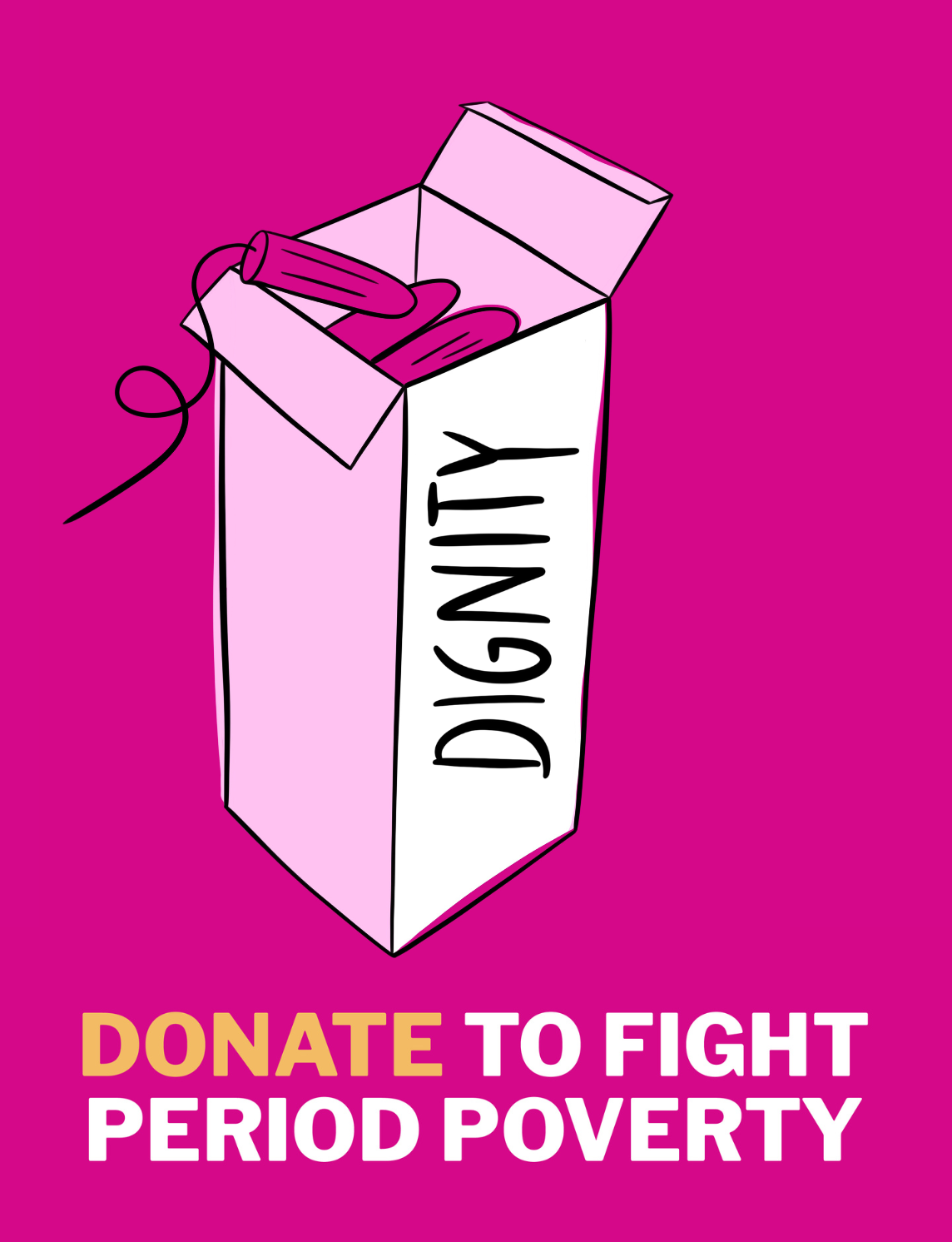
In the hushed corners of societal taboos, a persistent injustice whispers demands it never should. We talk of feminism, of equality, yet the most intimate, biological reality for half the world remains entangled in a web of shame, silence, and stark deprivation. This article ventures into the uncharted territories of menstrual equity, exposing the layers of period poverty stigma and tracing its direct impact on dignity. The narrative unfolds not as a call for sympathy, but as a stark documentation of a systemic neglect. The question isn’t ‘if’, but ‘how’ and ‘why’.
The Unacknowledged Crisis: Beyond Survival into Dignity
Survival is essential, but for millions, simply navigating life in dignity during menstruation is a daily, exhausting challenge. Period poverty, often defined as a lack of access to adequate menstrual hygiene products, safe facilities for changing and washing, and sufficient private time, is far more than a lack of items. It’s a disruption to the fundamental prerequisite for human dignity – the ability to manage one’s bodily functions without fear of shame, ridicule, or complete public exposure. Think not in terms of individual charity, but systemic failure. This is a deficiency deepened by silence, compounded by stigma, creating a suffocating double bind where those who need support the most cannot easily claim it.
Unpacking the Veil: Stigma’s Systemic Architecture
The “Period Poisoning” fallacy is one brick – a subtle poison gas attempt to vilify men during menstruating relationships. But this is a microcosm. Stigma, in its myriad forms, is the invisible architect of this crisis. It manifests not just as whispers in the women’s bathroom, but as the societal narrative that equates bleeding with uncleanliness, incompetence, or somehow, lesser ability. Education becomes weaponized silence for some, brutal honesty for others, but for too many, it’s simply ignored. This cultural taboo allows policies and practices to fester in indifference; from schools lacking facilities to workplaces refusing paid breaks, the pervasive assumption that menstruation is simply too “private” or “undignified” a topic to address publicly normalizes its neglect. It weaponizes privacy, turning necessary resources into a whispered plea.
Economic Realities: The Menstrual Tax and Disposable Environments
A woman facing period poverty cannot simply “afford” pads, tampons, or menstrual cups in the traditional sense. She faces a harsh arithmetic: a pay disparity often stacked against her; a reality where disposable products, the most immediate and accessible relief, are either unaffordable or contribute to environmental crises (and further strain economies through waste management). Some women face eviction or dismissal for using reusable products due to the perceived unsanitary environment they suggest they create – a cruel contradiction. There’s also the question of menstrual cups, a more sustainable solution. Is providing access to reusable items simply about cost-sharing, or is it about dismantling the deep-seated assumption that reusable equals questionable hygiene, often fueled by inadequate information? These logistical and economic hurdles trap a vast majority in a cycle where dignity erodes with each unsanitary leakage or each time a leak leads to an awkward, humiliating predicament.
Intersectionality’s Razor Edge: Dignity Deficits Multiplied
Menstrual hardship doesn’t impact everyone equally. It intersects and exacerbates other layers of marginalization. The girl orphaned in school, already battling poverty, might be unable to attend classes due to lack of facilities or fear. The domestic worker in a non-unionized industry, facing exploitation, may have her wages tied to productivity and thus be denied enough to cover menstruation. The refugee in unstable housing may lack a private space or running water, leading to traumatic solutions. Communities of color or those living in regions with limited economic opportunity face compound effects of historical discrimination. Ignoring these intersections is perilous; it leads to solutions that bypass real needs and actually deepen existing inequalities, further chipping away at the foundational stones of dignity for already vulnerable populations.
Debunking the Menstrual Code: Culture, Religion, and Taboo
Societal rules often masquerade as cultural or religious traditions, offering a smokescreen for genuine understanding. Menstruation taboos exist across faiths and cultures, though their specific manifestations vary. Some interpret ancient texts literally, perpetuating restrictions that are harmful and counterproductive; others passively accept the notion of menstruation’s inherent “uncleanness” as a immutable truth. Aisha’s story, often cited in religious discourse, could be any menstruating woman’s plight. How is religious guidance supposed to address public education systems that shame girls for bleeding? Is religious doctrine meant to excuse one woman’s hypocrisy, or empower another’s rights? These complexities cannot be reduced to simplistic quotes; they are nuanced struggles against narratives that consistently sideline the individual’s right to bodily integrity.
Dignity as the Tool: How Shame and Silence Weaponize It
Dignity is stolen not just by lack, but by reaction. The woman denied a bathroom break due to menstruation? Her dignity is shattered. The trans boy asked to leave a public restroom because he’s “bleeding”? His dignity is denied. The young girl who bleeds on a flight and must choose between a dirty seat or humiliating exposure? Everyone loses a sliver of peace. This weaponization is systemic. It turns shared public facilities into battlegrounds for shame and suspicion. It relies on the assumption that menstruation inherently warrants suspicion, vulnerability, or exclusion. It replaces open, supportive management with coded shame and punitive silence. This stolen dignity is the fuel for the ongoing fight for menstrual equity.
The Long View: Fracturing Inequality or Building True Justice
The fight isn’t just about products; it’s about reframing the entire societal conversation. Menstrual equity lies not in charity or pity, but in recognizing menstruation as a natural human biological state demanding societal accommodation, not stigmatization. This means ensuring access to sustainable, affordable products (both disposable and reusable), safe and private changing/washing facilities in all relevant locations (schools, workplaces, shelters), and, crucially, breaking the chains of silence. It demands education that empowers, not excites disgust. It calls for reimagining workplace policies, transportation systems, and public infrastructure – building a world where being a menstruating person in poverty doesn’t mean forfeiting one’s fundamental right to navigate daily life with dignity. This is the true measure of progress: a society where managing one’s body does not compromise one’s worth or access to its resources.