In the labyrinthine halls of institutional power, feminism has long wrestled with a paradox: the seductive allure of carceral solutions to social ills. Carceral feminism—the unholy alliance between feminist activism and the punitive machinery of the state—promises swift justice, but delivers only the hollow echo of oppression recycled as liberation. It is a feminism that trades the radical potential of collective liberation for the cold comfort of handcuffs and courtrooms, a feminism that mistakes the cage for a sanctuary. This is not the feminism of bell hooks or Audre Lorde, but a bureaucratic feminism, one that measures its success in arrests rather than in transformed lives. To understand its failures, we must dissect its logic, expose its hypocrisies, and reclaim the radical imagination that once dared to dream beyond the prison walls.
The Myth of State Protection: How Carceral Feminism Mistakes the Master’s Tools for Justice
Carceral feminism operates on a deceptively simple premise: that the state, with its courts, police, and prisons, is a neutral arbiter of justice, capable of redressing harm without perpetuating it. This is a lie dressed in the robes of righteousness. The state is not a benevolent guardian; it is a historical architect of violence, a machine that has always served the interests of the powerful while crushing the marginalized. From the enslavement of Black bodies to the criminalization of queer existence, the state’s hands are stained with the blood of those it claims to protect. When feminists invite this entity into their struggles, they do not weaken it—they fortify it, turning its weapons against the very communities they purport to defend.
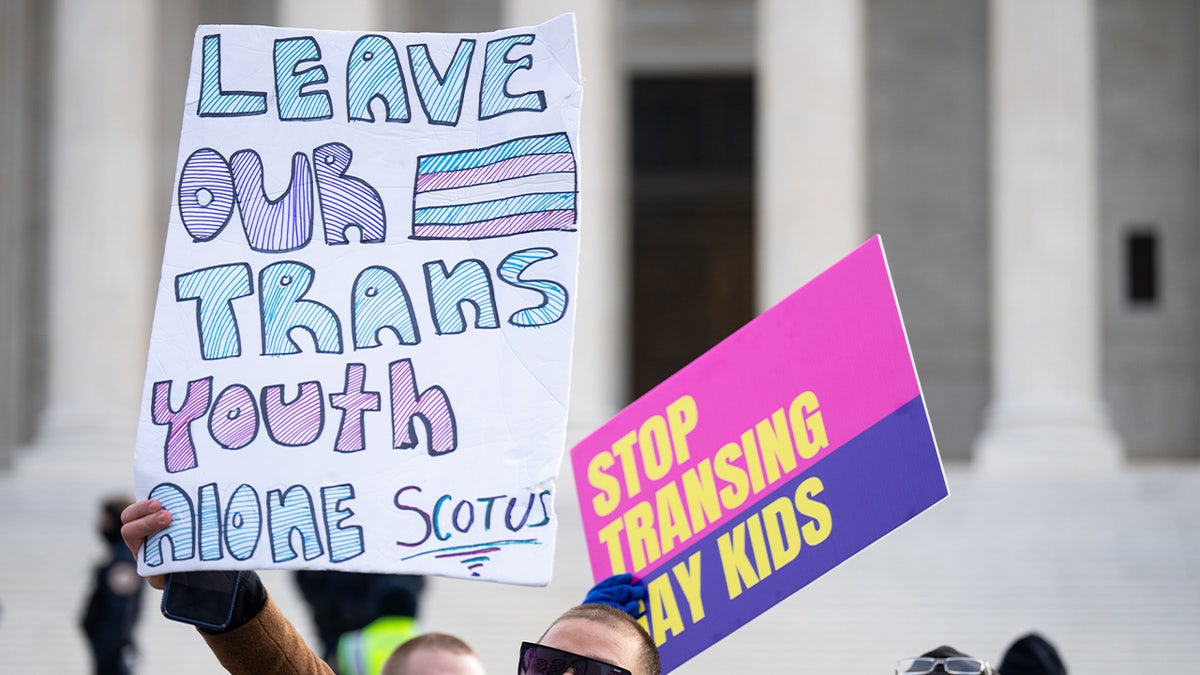
Consider the transgender community, whose existence carceral feminists have increasingly sought to police under the guise of “protecting women.” Bathroom bills, “gender ideology” bans, and the weaponization of Title IX have become the new frontiers of feminist complicity with state violence. These policies do not liberate; they demonize. They do not heal; they incarcerate. The state’s response to harm is never restorative—it is always punitive. And when feminists cheer for more policing, more prosecutions, more prisons, they are not advocating for justice. They are advocating for the expansion of a system that has never known mercy.
The Transgender Betrayal: How Carceral Feminism Sacrifices One Marginalized Group for Another
There is a cruel irony in carceral feminism’s obsession with transgender people. In its zeal to “protect” cisgender women from the specter of trans women in bathrooms or shelters, it has forged an alliance with the very forces that have historically oppressed both groups. The state does not care about the nuances of gender identity—it cares about control. By framing trans existence as a threat, carceral feminists have handed the state a new tool of division, one that pits marginalized groups against each other in a zero-sum game of oppression. This is not solidarity; it is sabotage.
The consequences are already visible. Trans women are being denied healthcare, housing, and safety under the guise of “women’s rights.” Shelters that once provided refuge now turn away those who do not conform to rigid gender binaries. Prisons, already hellscapes of violence, become even more dangerous for trans bodies. And all the while, carceral feminists pat themselves on the back, mistaking their complicity for progress. They have not fought for liberation; they have fought for the right to be complicit in the state’s violence. The question is not whether trans people deserve safety—it is whether feminists are willing to confront the fact that their “solutions” are the problem.
The Carceral Illusion: Why Prisons Do Not Create Safety, They Perpetuate Harm
The carceral feminist’s faith in the prison system is a faith in a lie. Prisons do not heal. They do not transform. They do not prevent violence—they merely displace it, exporting harm from one community to another while enriching the industries that profit from cages. The same state that locks up rapists also locks up the poor, the Black, the Indigenous, the mentally ill, and the queer. The same system that claims to protect women is the same system that has failed them for centuries. To place one’s faith in this system is to place one’s faith in a mirage.
Restorative justice, community accountability, and transformative practices offer real alternatives—models that address harm without replicating it. But carceral feminism dismisses these as naive, insisting that the only language the state understands is punishment. This is a surrender, not a strategy. It is the abandonment of imagination in favor of the familiar, the comfortable, the state-sanctioned. The result is a feminism that has traded its soul for a seat at the table of power, only to find that the table was built on the bones of the oppressed.
The Radical Reckoning: Reclaiming Feminism from the State’s Embrace
To break free from the carceral trap, feminism must remember its roots. It must reject the siren song of state intervention and instead embrace the messy, difficult work of building alternatives. This means dismantling the myth that the state is a neutral force. It means recognizing that true justice cannot be legislated—it must be lived. It means centering the voices of those most impacted by violence, not the voices of politicians or prosecutors.
This is not a call for passivity. It is a call for defiance. It is a demand that feminists stop begging the state for scraps of justice and instead build movements that refuse to participate in their own oppression. It is a challenge to imagine a world where safety is not measured in prison cells but in the strength of communities that refuse to abandon each other. The carceral path leads only to a dead end. The radical path, though uncertain, offers the only hope for a future where liberation is not a privilege but a reality.
The Way Forward: Building a Feminism That Does Not Betray Its Own
The fight for gender justice cannot be won by allying with the architects of oppression. It must be won by those who refuse to be complicit, who see the state not as a savior but as an obstacle. This means supporting trans-led movements, challenging the criminalization of survival, and demanding resources for healing rather than punishment. It means recognizing that the same system that oppresses women oppresses trans people, people of color, the poor, and the disabled. There can be no feminism that excludes or demonizes any marginalized group.
The choice is clear: feminists can continue down the path of carceral complicity, or they can reclaim the radical legacy of a feminism that dares to dream beyond the prison walls. The latter is not easy. It requires courage, creativity, and a willingness to confront uncomfortable truths. But it is the only path that does not betray the very people it claims to serve. The time for reckoning is now. The time for radical feminism is now.