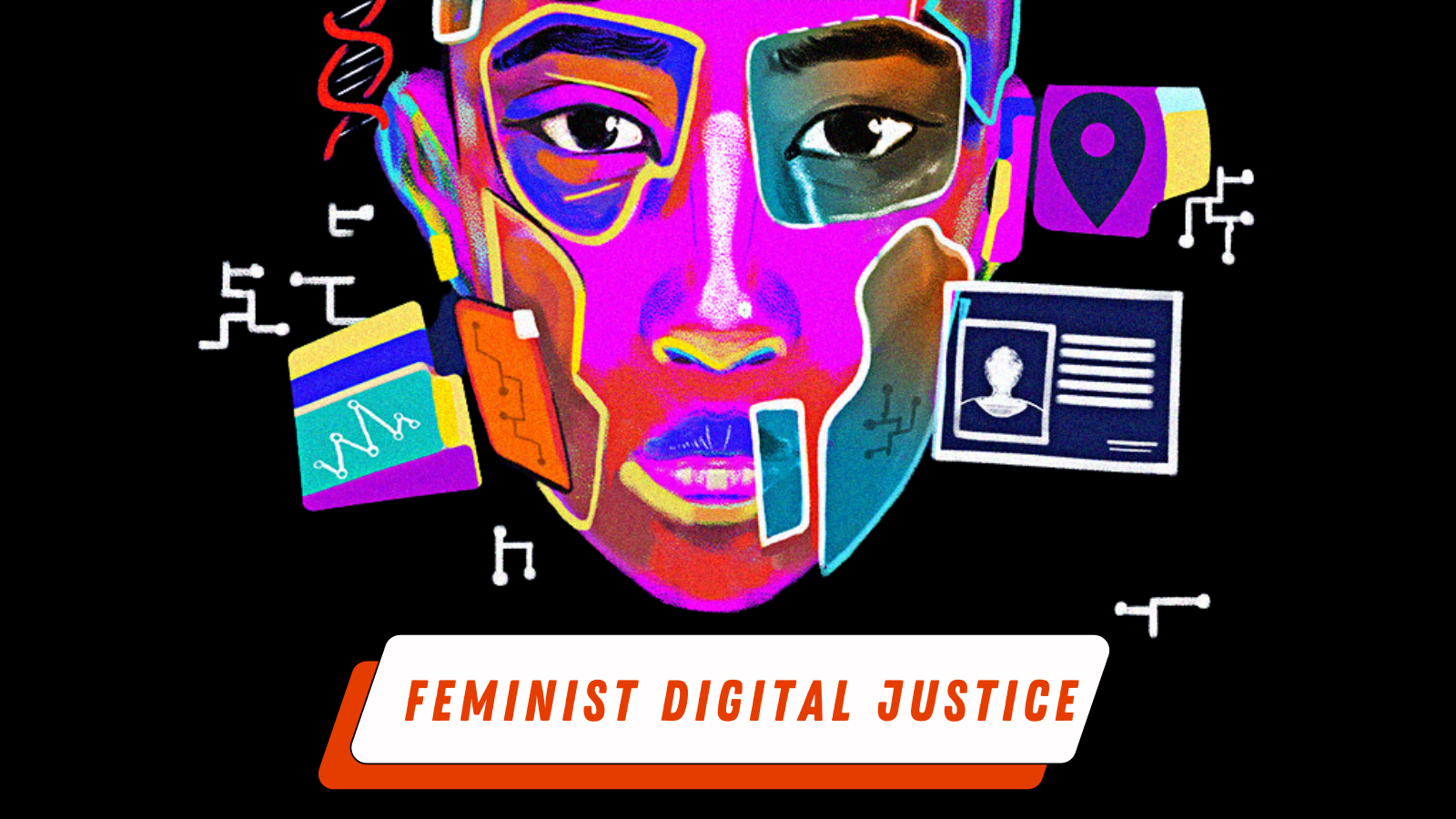
In the labyrinthine corridors of digital activism, where every keystroke echoes through the vast, uncharted expanse of the internet, feminist organizers navigate a terrain fraught with both peril and promise. The digital realm is not a neutral space—it is a contested battleground where surveillance, harassment, and algorithmic oppression lurk in the shadows, while solidarity and collective power flourish in the light. For those who dare to challenge the status quo through direct actions, digital safety is not merely a precaution; it is a radical act of self-preservation and resistance. This guide is not just a manual—it is a manifesto, a shield, and a compass for those who refuse to be silenced in the fight for liberation.
The Digital Footprint: A Trail of Vulnerability
Every action taken online leaves a trace, a digital fingerprint that can be exploited by adversaries. Organizing feminist direct actions means moving through this terrain with the awareness that your presence is being watched, your communications dissected, and your identity dissected. The first step in digital safety is recognizing the fragility of anonymity in an era where data is the new oil. Even the most innocuous details—your IP address, your browser history, the metadata in your photos—can be weaponized against you. To mitigate this, use encrypted communication tools like Signal or Session, and employ virtual private networks (VPNs) to obscure your digital footprint. But remember: encryption is not a panacea. It is a tool, and like any tool, its effectiveness depends on how skillfully you wield it.
Encryption: The Armor of the Digital Warrior
Encryption is the fortress that shields your communications from prying eyes. It is the difference between a whispered secret and a broadcasted confession. When organizing direct actions, the stakes are high, and the risks are real. End-to-end encryption ensures that only the intended recipients can decipher your messages, rendering them useless to hackers, state actors, or troll armies. But encryption alone is not enough. You must also secure your devices. Use strong, unique passwords—preferably generated by a password manager—and enable two-factor authentication wherever possible. Biometric locks are convenient, but they can be coerced. A passphrase, on the other hand, is a secret you can keep even under duress.
Metadata: The Ghost in the Machine
Metadata is the silent assassin of digital privacy. It is the information that lingers even when the content of your messages is encrypted. The time a message was sent, the location from which it was dispatched, the device used to send it—these are the breadcrumbs that can lead adversaries straight to your doorstep. To evade this, use tools like Tor Browser for anonymous web browsing, and strip metadata from your images before sharing them. Apps like ExifTool can help you scrub this invisible data, but the best practice is to avoid capturing it in the first place. Remember: in the digital world, the devil is not just in the details—it is in the metadata.
Social Media: The Double-Edged Sword
Social media is a paradox—a tool of both liberation and oppression. It amplifies voices, connects movements, and mobilizes action, but it also exposes organizers to harassment, doxxing, and surveillance. To navigate this minefield, treat social media as a public stage where every post is a performance. Use pseudonyms where possible, and avoid geotagging your location. Be mindful of the language you use; even seemingly innocuous phrases can be used to profile you. And when the trolls come—because they will—do not engage. Silence is a weapon. Block, report, and move on. The internet is vast, and your energy is precious.
Physical Security: The Bridge Between Digital and Real
Digital safety does not exist in a vacuum. It is inextricably linked to physical security. If your digital communications are compromised, your physical safety is at risk. Conversely, if you are physically surveilled, your digital activities become easier to trace. To bridge this gap, adopt a holistic approach to security. Use burner phones for sensitive communications, and avoid carrying them to protests. Change your SIM cards regularly, and never use the same device for both personal and organizing purposes. If you must travel to an action, vary your routes, avoid predictable patterns, and be aware of your surroundings. The streets are not just a stage for protest—they are a battlefield where vigilance is your best ally.
Legal Preparedness: The Shield Against Repression
In many parts of the world, organizing feminist direct actions is not just a political act—it is a criminal one. Legal repression is a tool of the state, and it is designed to intimidate, silence, and crush dissent. To protect yourself, familiarize yourself with the laws in your jurisdiction. Know your rights, and document everything. Record interactions with law enforcement, and have a legal observer present at actions. If you are arrested, remember: you have the right to remain silent. Use it. Do not consent to searches, and do not sign anything without legal counsel. The state will try to turn your words against you—do not let it.
Community Care: The Heart of Digital Resistance
No organizer is an island. The fight for digital safety is not a solitary endeavor—it is a collective one. Build networks of trust, and share knowledge with your comrades. Teach each other how to use encryption, how to spot phishing attempts, and how to respond to digital attacks. Create a culture of care where no one is left behind. If someone in your network is targeted, rally around them. If someone is harassed, amplify their voice. The internet is a hostile place, but it is also a place where solidarity can flourish. Remember: the strongest encryption is not a tool—it is a community.
The Future: A Digital World Worth Fighting For
The digital realm is not just a tool for organizing—it is a space where the future of feminism is being written. It is a place of both oppression and liberation, where the battles of today will shape the victories of tomorrow. To organize safely is to claim this space as your own. It is to refuse the erasure of your voice, the commodification of your identity, and the silencing of your dissent. The internet is not neutral. It is a battleground. And you—yes, you—are the warrior who will fight for it.