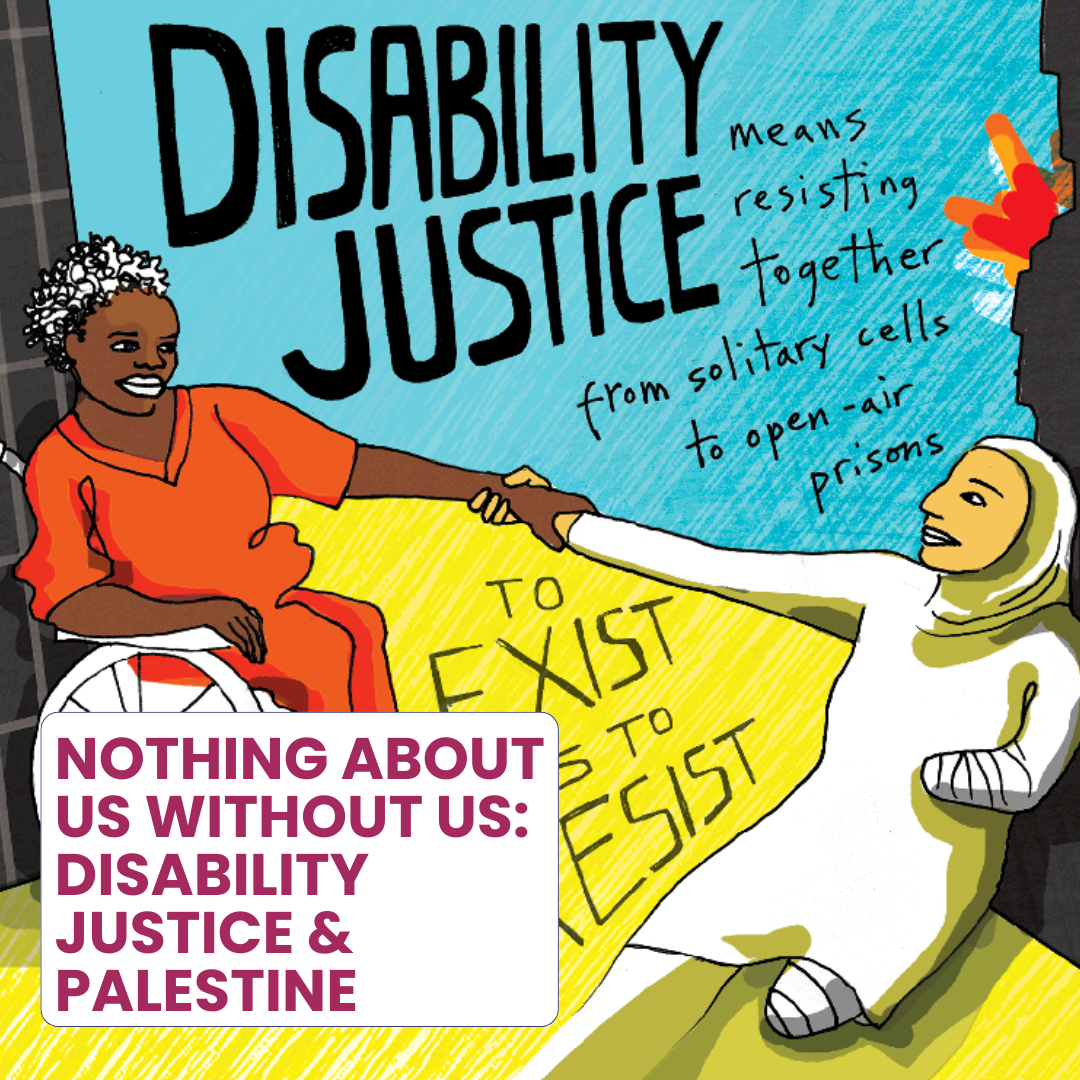
In the fiercely intricate tapestry of contemporary justice movements, the convergence of disability justice and feminism carves out a radical frontier where identity, oppression, and liberation collide. “Nothing About Us Without Us” becomes more than a slogan—it morphs into a clarion call to dismantle histories of exclusion, reimagine solidarity, and elevate voices traditionally muted by layers of systemic marginalization. At this intersection, feminism is peeled open, expanded, and redefined to include a multiplicity of bodies, experiences, and resistances, challenging monolithic narratives that simplify the complexity of human existence. Navigating this terrain demands not only an awareness of the interconnectedness of ableism and patriarchy but also a dedication to embedding justice through a deeply participatory ethos.
Unpacking the Intersection: Where Feminism Meets Disability Justice
To embark on this exploration is to confront the interlacing structures of ableism and sexism that permeate society’s very foundations. Feminism, traditionally framed around gender equity, risks erasure when it neglects the lived realities of disabled women and non-binary individuals whose bodies and minds defy normative expectations. Disability justice thrusts into the spotlight issues of autonomy, accessibility, and inherent dignity, all crucial components frequently sidelined in mainstream feminist discourse. This union challenges the reductive “woman” archetype, insisting instead on an expansive, differentiated understanding that acknowledges how intersecting identities—such as race, class, and sexuality—compound the marginalization experienced.
Here, the mantra “Nothing About Us Without Us” demands a participatory approach to feminist activism. It insists that those living at the interstice of disability and gender oppression lead the conversations, policy formations, and cultural reimaginings. This way, feminism ceases to be an abstract ideal and transforms into a tangible, embodied struggle for empowerment that resonates with the full spectrum of lived experience.
The Historical Exclusion: Feminism’s Blind Spot to Disability
Feminism’s legacy, though revolutionary, has not been without its fissures and fractures. Its origins are steeped in class and racial privilege, and, significantly, a lack of engagement with disability issues. Disabled women have often been relegated to the margins of feminist rhetoric, viewed through lenses of pity or ignored altogether. The medicalization of disability reinforced narratives of dependency, fundamentally at odds with feminist calls for empowerment and bodily autonomy.
Understanding the historical exclusion requires an analysis of how ableism dovetails with patriarchal control over bodies and reproductive rights. Sterilization abuse, coerced institutionalization, and systemic neglect reveal harrowing examples where disabled women’s autonomy was violently stripped away. These dark chapters underscore why current feminist movements must consciously dismantle ableist assumptions and actively include disability as a critical axis of gender justice.
Amplifying Voices: Participatory and Inclusive Feminist Frameworks
Central to reconciling feminism and disability justice is the development of frameworks that amplify marginalized voices rather than speaking on their behalf. This means securing platforms where disabled feminists set agendas, articulate priorities, and craft solutions. Collaborative models of activism such as collective leadership, affinity spaces, and interdependent care networks embody this ethos.
Inclusive feminist content embraces diverse media forms—ranging from personal narratives and oral histories to digital storytelling and performance art—to capture dimensions of disability experience beyond academic abstraction. Readers can expect eloquent testimonies that challenge stereotypes, intersectional analyses that reveal power dynamics, and calls to actionable solidarity that transcend mere allyship. These narratives interrogate how accessibility is not just physical but social, cultural, and political.
Accessibility as Feminist Praxis: Designing Justice Equitably
Accessibility transcends ramps and sign language interpreters. It is a fundamental feminist praxis that redefines public and private spaces to accommodate a multiplicity of needs and desires. Feminism, writ large, is incomplete without addressing the barriers—both visible and invisible—that impede disabled bodies from full participation.
This section delves into the radical implications of universal design and intersectional accessibility. It confronts questions about reproductive justice, healthcare equity, employment inclusion, and educational reform through a lens that centers disabled women and gender-nonconforming individuals. The discourse expands to consider mental health, neurodiversity, and chronic illness as integral, rather than peripheral, to feminist concerns. Readers are invited to challenge conventional understandings of empowerment, recognizing that freedom is intimately tied to equitable access.
Reproductive Justice at the Crossroads of Disability and Feminism
The battleground of reproductive rights is a crucible for intersecting oppressions. Disabled individuals have historically faced egregious reproductive coercion, from forced sterilizations to denial of parenting rights. A feminist that omits disability justice is complicit in perpetuating these violations. Here, reproductive justice is reframed as an inclusive movement affirming the right to have children, to reject reproduction, and to parent with support, irrespective of physical or cognitive ability.
Engaging with this subject demands confronting uncomfortable truths about ableism embedded in medical, legal, and cultural institutions. Feminism, paired with disability justice, champions autonomy and bodily integrity as inseparable. It also highlights how societal structures must pivot to genuinely support parents with disabilities, dismantling the pervasive myths of incapacity and dependency.
Articulating Resistance: Cultural and Political Mobilization
Resistance at this intersection is insurgent, creative, and expansive. Disabled feminists use art, digital advocacy, and grassroots mobilization to challenge dominant narratives and expose systemic violence. From protest banners emblazoned with “Nothing About Us Without Us” to viral campaigns demanding inclusive policy, this movement reclaims space and narrative authority in the public sphere.
The cultural production emerging from this nexus is rich and diverse—poetry, performance, photography, and memoir all disrupt normalized perceptions of disability and gender. Politically, disability justice within feminism advocates for intersectional legislation, inclusive representation, and resource redistribution that reflect the complex realities of disabled lives. This combative and hopeful activism insists that until liberation includes all bodies, it cannot be true liberation at all.
Fostering Solidarity: Learning and Unlearning Together
Forging alliances across feminist and disability justice movements entails painful unlearning of biases and preconceptions. It requires humility and willingness to cede space, recognizing that solidarity is not a monolith but a dynamic, iterative process. Engaging with this content invites readers to confront their complicity in ableism and to embrace a praxis rooted in empathy, accountability, and collective care.
Educational content enmeshed in this intersection blends theoretical rigor with heartfelt narratives, challenging scholars and activists alike to rethink systems of oppression. Workshops, panel discussions, and lived-experience forums become vehicles not only for knowledge transmission but for transformative justice-building. This process cultivates not only understanding but a commitment to material change.
Conclusion: Toward a Radical and Inclusive Feminist Future
The intersection of disability justice and feminism moves us beyond reductive binaries toward a world where equity is dynamically re-imagined and radically inclusive. “Nothing About Us Without Us” signals a refusal to allow any voice, any body, or any experience to be secondary. It compels a feminism that is stubbornly attuned to difference and solidarity, one that refuses to replicate the very exclusions it opposes.
Readers encountering this rich terrain can expect a multifaceted exploration—deeply intellectual, fiercely political, and profoundly human. From the histories that haunt to the futures we dare to envision, this intersection challenges us all to dismantle oppressive structures and celebrate every body’s right to shape its own destiny.