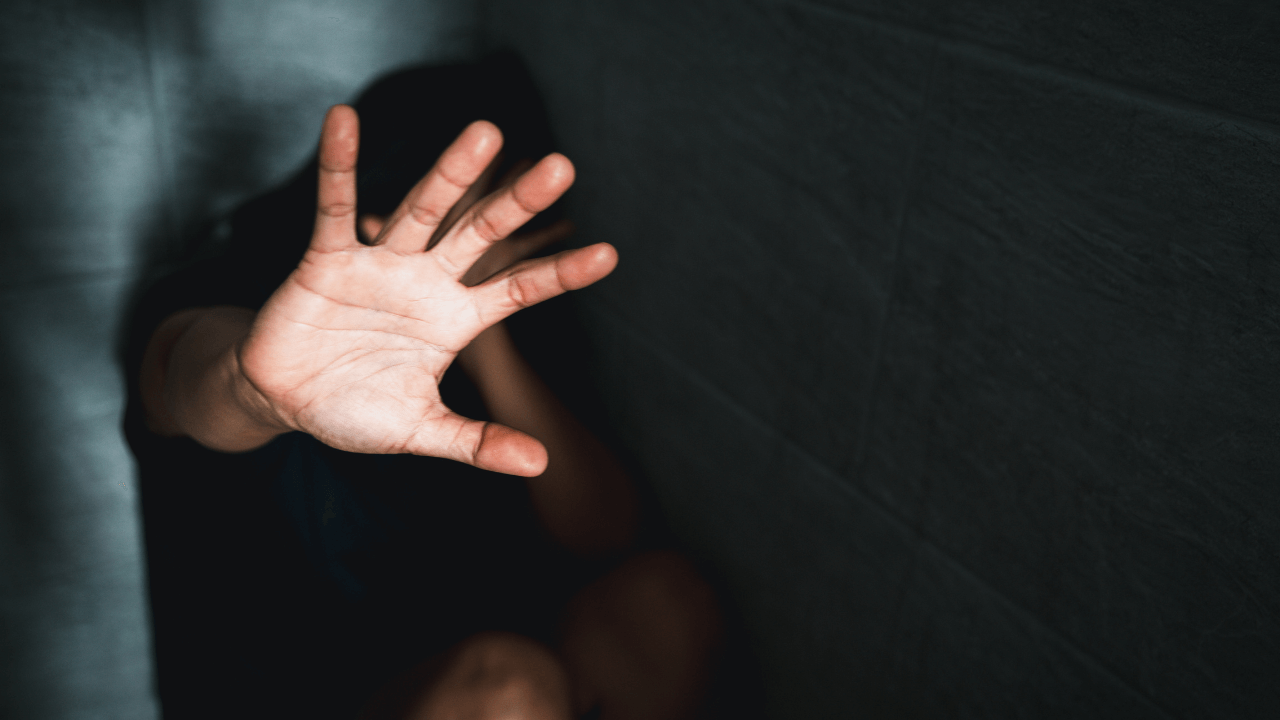
In the labyrinth of systemic oppression, undocumented women navigating domestic violence encounter a double helix of terror—one strand woven from the hands of abusive partners, the other from the cold, unyielding bars of legal bureaucracy. The U-Visa, a beacon of hope for survivors, often flickers like a candle in a hurricane, its flame too fragile to pierce the darkness of institutional neglect. For these women, justice is not merely delayed; it is a mirage, shimmering just beyond reach, taunting them with the promise of safety while their abusers remain untouched by consequence.
The U-Visa: A Fragile Lifeline in a Storm of Bureaucracy
The U-Visa, designed to shield survivors of violent crimes—including domestic violence—from deportation, is a paradox wrapped in red tape. To qualify, a survivor must prove not only the abuse but also her cooperation with law enforcement, a demand that assumes access to resources, legal literacy, and the luxury of time. For undocumented women, these prerequisites are akin to asking a drowning woman to tread water while reciting Shakespeare. The process is a gauntlet: police reports, medical affidavits, and sworn statements must be meticulously assembled, each piece a potential landmine. And if her abuser is a citizen or legal resident, the system’s gears grind even slower, as immigration authorities weigh the “value” of her testimony against the perceived threat of her presence.
Worse still, the U-Visa is capped at 10,000 visas per year—a quota that turns survivors into numbers in a cruel lottery. In 2023, over 30,000 petitions were filed, leaving thousands in legal limbo, their fates suspended like corpses in a morgue drawer. The message is clear: the state values order over survival. The U-Visa is not a right; it is a privilege, doled out sparingly to those who can navigate a system rigged against them.
The Chilling Effect of Fear: When the Law Becomes an Abuser
For undocumented women, the decision to report abuse is not just a moral dilemma—it is an existential gamble. The fear of deportation looms larger than the fear of violence, a psychological straitjacket that silences more victims than it protects. Many choose silence, not out of weakness, but because the legal system has weaponized their status against them. A call to 911 could mean a knock on the door from ICE the next day. A restraining order? A piece of paper with no teeth, while the abuser remains free to stalk, harass, or worse.
This chilling effect is not accidental; it is a feature of a system that prioritizes borders over bodies. Undocumented women are trapped in a Catch-22: report the abuse and risk everything, or endure the abuse and be complicit in their own erasure. The law, in this case, is not a shield—it is a cage, its bars forged from fear and indifference.
The Myth of “Cooperation”: When Justice Demands Complicity
The U-Visa’s requirement for “cooperation” with law enforcement is a cruel irony. Survivors are expected to relive their trauma in front of strangers—police officers, prosecutors, immigration judges—each interaction a potential re-traumatization. But what if the abuser is a police officer? What if the system that is supposed to protect her is the same one that deports her? The U-Visa’s demand for cooperation assumes a level of trust in institutions that undocumented women have long since abandoned.
Moreover, “cooperation” is a moving target. A survivor may provide a statement only for it to be dismissed as “insufficient” evidence. She may testify in court, only for her abuser to walk free due to a technicality. The law does not bend to her reality; it bends to the whims of those in power. And in that bending, survivors are left to wonder: was my suffering ever truly the point?
The Intersection of Gender and Immigration: A Double Jeopardy
Undocumented women face a double jeopardy—not just as women in a patriarchal society, but as immigrants in a xenophobic one. Domestic violence is already a gendered crime, a manifestation of power and control. But for undocumented women, the violence is compounded by the threat of deportation, a form of state-sanctioned abuse. The legal system, far from being a neutral arbiter, becomes an extension of the abuser’s power, reinforcing the cycle of violence.
Consider the case of a woman who flees an abusive partner, only to be detained by ICE while seeking a U-Visa. Her abuser, meanwhile, remains free, his citizenship or legal status shielding him from consequence. The message is unmistakable: the state cares more about her deportation than her survival. This is not justice. It is a grotesque parody of it.
Alternatives to the U-Visa: The Illusion of Options
For those who do not qualify for a U-Visa, the alternatives are either nonexistent or equally daunting. The T-Visa, for survivors of human trafficking, is even more restrictive, requiring proof of severe forms of trafficking—a standard that many domestic violence survivors cannot meet. Asylum claims, another potential lifeline, are often denied on the grounds that domestic violence is not a “persecution” under current law. The system, it seems, would rather let women die than acknowledge the violence they endure as grounds for protection.
Even state-level protections, such as sanctuary cities or expanded U-Visa policies, are patchwork solutions in a quilt of systemic failure. They offer temporary relief but no lasting change. The root of the problem is not a lack of laws—it is a lack of will. The state would rather build walls than bridges, and undocumented women are the ones left drowning in the moat.
The Way Forward: Reimagining Justice
To dismantle the legal barriers facing undocumented women, we must first acknowledge that the system is not broken—it is working exactly as designed. It is a machine that grinds survivors into dust, all in the name of order and control. The U-Visa, the T-Visa, asylum—these are not solutions. They are bandages on a gaping wound.
True justice would mean decriminalizing immigration altogether, treating survivors as human beings rather than bargaining chips. It would mean dismantling the structures that force women to choose between abuse and deportation. It would mean listening to survivors when they say the current system is not enough—not even close.
Until then, undocumented women will continue to navigate a legal landscape that is less a path to safety and more a minefield of betrayal. The U-Visa may offer a glimmer of hope, but hope is not justice. And justice, for these women, remains a distant dream—one that flickers and dies in the cold, unfeeling dark.