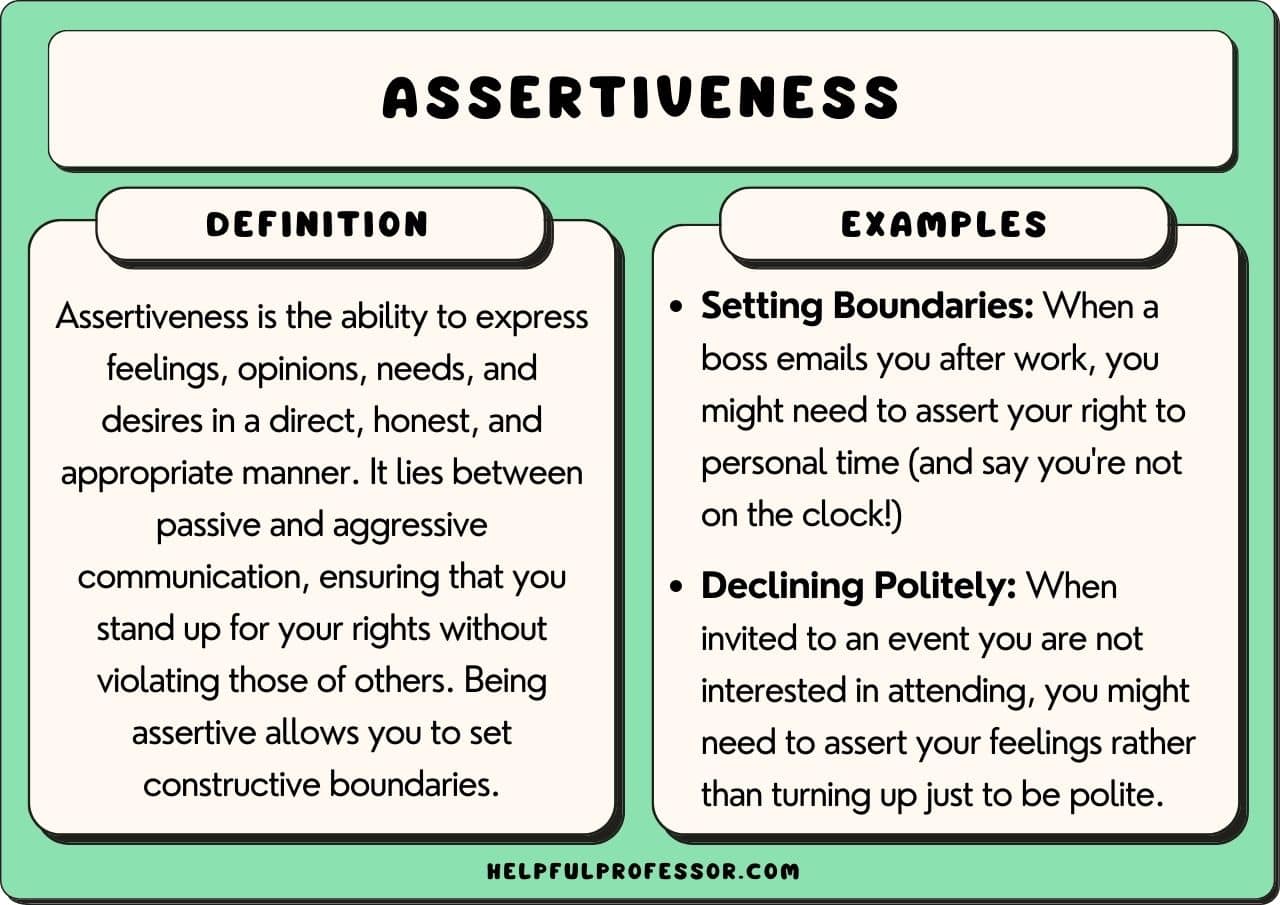
In the evolving narrative around feminism and leadership, one insidious barrier remains both pervasive and perplexing: the “likability trap.” It is an unwritten code that binds women, dictating the tightrope they must walk between being assertive enough to lead and affable enough to be accepted. This conundrum not only shapes individual careers but also delineates the contours of power itself, revealing deep-seated cultural paradoxes about gender, authority, and social expectation. What’s behind this fascination with likability? Why does assertiveness, a trait universally applauded in men, implode into a liability for women who dare to wield it? The answer lies beneath the surface, touching on patriarchal legacies, cognitive biases, and the symbiotic dance of gender and power.
The “Likability Trap”: Defining the Gendered Double Standard
The “likability trap” refers to the societal expectation that women in leadership must remain perpetually pleasant and non-threatening to gain approval, unlike their male counterparts who often enjoy a pass for being blunt, aggressive, or even abrasive. This double standard is not a mere cultural quirk; it is a systemic penalty that punishes women for the very qualities that make leaders effective—decisiveness, confidence, and assertiveness. Women who violate these norms are often labeled as “bossy,” “abrasive,” or “unlikable,” implicitly sidelining them from leadership pipelines and eroding their credibility. Conversely, women who temper their ambition to fit the likability mold risk being perceived as weak or indecisive. Thus, the trap tightens, forcing them into a lose-lose scenario.
Assertiveness as a Double-Edged Sword
Assertiveness, often defined as the ability to confidently express opinions and stand firm on decisions, is universally considered an essential leadership attribute. Yet, for women, this trait morphs into a double-edged sword. Studies repeatedly demonstrate that assertive women face social penalties that assertive men do not. When men assert themselves, they’re often perceived as competent and inspiring leaders. Women showing similar behavior, however, may be castigated for violating deeply entrenched gender norms that dictate femininity must equate to warmth, nurturance, and agreeability. This gendered dissonance creates a paradox where female leaders are under constant scrutiny and often required to overcompensate by exhibiting superhuman levels of likability and emotional intelligence.
Historical and Cultural Roots of the Likability Bias
The genesis of this bias is intertwined with centuries-old patriarchal structures that cast men as rulers and women as caretakers. Leadership historically implied domination, control, and decision-making—traits coded male by societal conventions. Women stepping into these roles disrupt this archetype, triggering unconscious pushback rooted in cognitive dissonance. From fairy tales to cultural narratives, the archetype of the “nice woman” pervades—self-sacrificing, accommodating, and gentle. Assertiveness collides head-on with this archetype, casting women in leadership as outliers or antagonists. Even today, media portrayals and workplace cultures subtly reinforce these stereotypes, ensuring the persistence of the likability penalty as a gatekeeping mechanism.
Psychological Underpinnings and Social Conditioning
Psychologically, the likability trap taps into the human preference for conformity and predictability in social roles. When women deviate from expected gender scripts, observers often experience discomfort or dissonance, which manifests as negative judgments. This phenomenon is amplified by “role congruity theory,” which posits that prejudice arises when there is a perceived incongruity between the female gender role and leadership roles. Society’s implicit biases reward women who adhere to the “likable” stereotype by reinforcing social bonds and punishing those who challenge these conventions. Over time, this conditioning not only influences external evaluations but can erode women’s own confidence and self-perception, creating internal barriers to assertiveness.
Impact on Women’s Leadership Trajectories
The implications of the likability trap on women’s leadership journeys are profound and pervasive. Women frequently face a narrowing bandwidth within which their behavior is socially acceptable, stymieing their ability to navigate power dynamics authentically. This often leads to a phenomenon known as “imposter syndrome,” compounded by persistent external feedback that equates authority with unlikability. The result is a paradoxical pressure—women must excel in leadership roles while simultaneously managing the optics of their likability, a juggling act less demanded of male leaders. Consequently, many talented women either retreat from leadership aspirations or adopt hyper-conforming personas that strip away personal authenticity and innovation.
Rethinking Leadership Through a Feminist Lens
Feminism challenges the reigning metrics of leadership by interrogating the oppressive frameworks that sustain the likability trap. It advocates for dismantling the outdated archetypes that confine women to narrow behavioral repertoires. True transformation requires expanding the definitions of both leadership and femininity to encompass a broader, more inclusive range of traits—strength mingled with empathy, decisiveness tempered by collaboration. Masculinist notions of leadership must cede ground to models that recognize diversity in expression and influence. Feminist thought provokes us to question: Why should likability be a prerequisite for leadership at all? Can power be decoupled from gendered expectations and reimagined as a space of authentic self-expression?
Strategies for Women Navigating the Likability Trap
Conquering the likability trap does not demand that women conform to adversarial modes of leadership traditionally valorized in males. Instead, it calls for strategic navigation, building alliances, and harnessing emotional intelligence to shape perceptions without sacrificing authority. Amplifying one’s voice through mentorship, sponsorship, and supportive networks can counterbalance the isolating effects of the likability penalty. Additionally, reframing assertiveness as a collaborative force rather than antagonistic can help diffuse negative stereotypes. Yet, the ultimate solution transcends individual adaptation; it requires organizational cultures to confront and dismantle these biases actively, creating environments where diverse leadership styles thrive unfettered by gendered penalties.
The Road Ahead: Transforming Norms and Power Structures
The battle against the likability trap is emblematic of larger feminist struggles aimed at redefining power and equality. It demands a collective reckoning with cultural narratives, ingrained stereotypes, and systemic inequities that perpetuate gender bias. Corporate, political, and social institutions must invest in bias training, inclusive policies, and equitable representation to erode the scaffolding that props up the likability penalty. Shifting societal values to celebrate authenticity and multifaceted leadership over surface-level affability is not a mere idealistic aspiration; it is an imperative for genuine progress. Only by unshackling women from these archaic constraints can we hope to cultivate leadership landscapes enriched by diversity, innovation, and transformative potential.