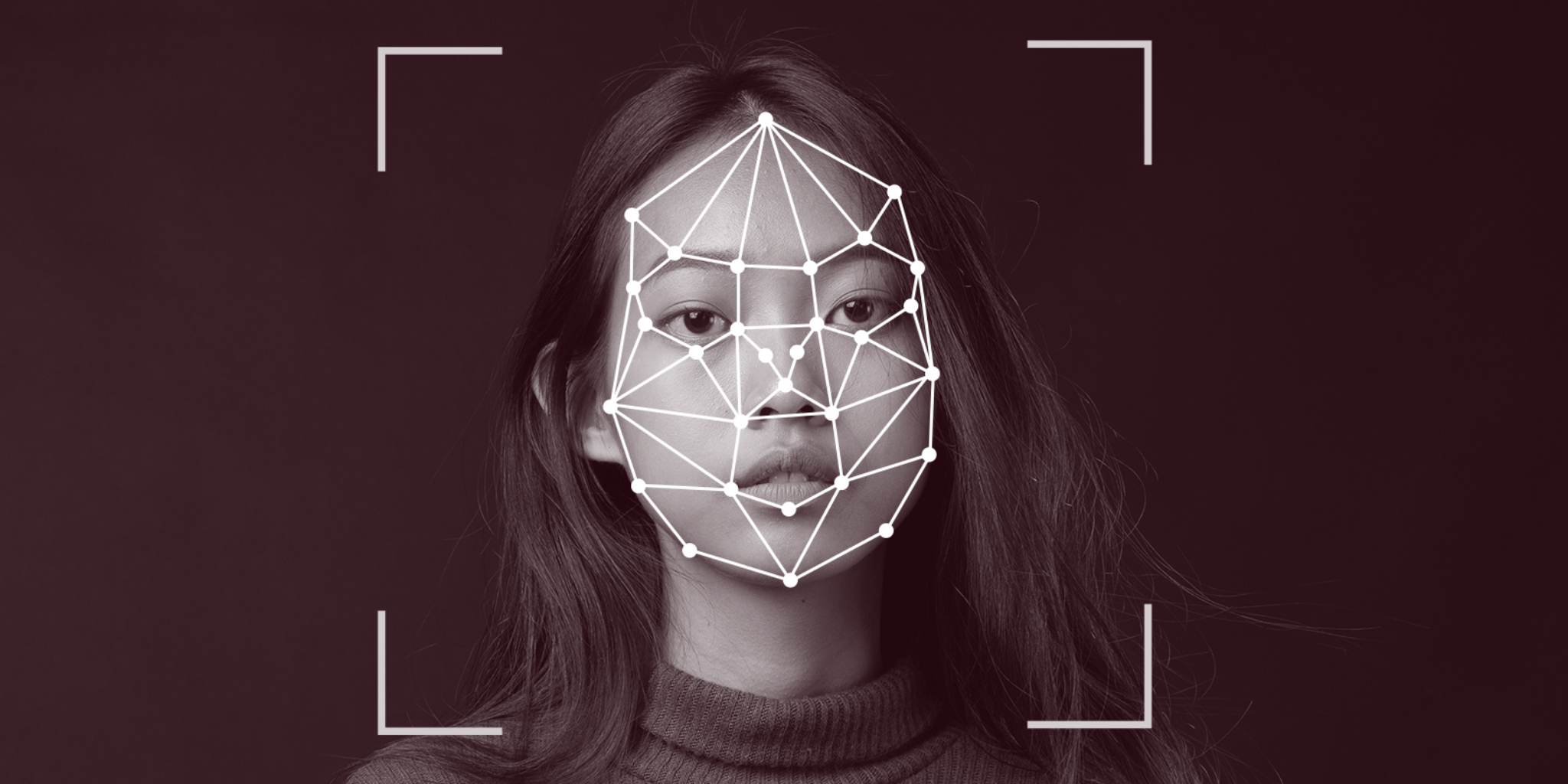
Imagine encountering your own image, manipulated beyond recognition, thrust into explicit scenarios never consented to. This is not science fiction; it’s the harrowing reality for survivors of deepfake technology—a digital plague spreading with unsettling speed. Our conversation pivots to the complex aftermath: “Feminism: The Long-Term Psychological Rehabilitation for Deepfake Survivors.” It poses a playful question beneath a heavy burden—one that probes not just individual suffering, but the capacity of shared values to offer solace and a path forward. Yet, this inquiry immediately introduces a potential challenge: Can the very movement striving for female autonomy and agency effectively mend the fractures deepfake technology shatters? We delve into these questions and more.
The Genesis of a Modern Nightmare
Deepfake technology, born from the fusion of increasingly sophisticated artificial intelligence and unsettlingly realistic image manipulation, represents a terrifying evolution in non-consensual exposure. These synthetic images and videos are not mere curiosities; they are potent tools weaponized in intimate settings, amplifying existing vulnerabilities and creating new forms of psychological torment. Beyond explicit pornography, deepfakes infiltrate professional spheres, damaging reputations and credibility, and their viral potential ensures that the trauma is not confined to the initial encounter. The sheer technological capacity for replication and distribution feels overwhelming, casting a long shadow over personal dignity in the digital age. A victim might feel a shard of sci-fi despair, recognizing their reality mirrors dystopian fiction—only this time, the technology is proliferating unchecked.
The Unseen Scars: Mapping the Psychological Damage
Survivors carry wounds invisible to the naked eye, yet profound in their impact. Shame, often previously associated only with sexual violations, becomes inextricably linked to the technological medium—seen as a catastrophic “error,” an invasion beyond physical space. This digital violation normalizes a feeling of profound defilement, potentially paralyzing individuals into hiding. Paradoxically intertwined with denial is a secondary wave of anger, directed not just at the perpetrator, but at the technology itself—a silent, powerful aggressor devoid of empathy. This technological rage, alongside the pervasive legal barriers complicating recovery, creates a chilling effect, driving survivors further into isolation. The erosion of trust, particularly within intimate relationships, can feel irreversible. Consider the partner who sees their face in an unrecognizable deepfake; the sense of betrayal shifts from the individual act to the technological system that enables it, fostering a fear of vulnerability entirely new. Therapy might involve confronting not just the violation, but the technological abyss enabling it.
The Non-Profit Response: A Feminist Lens
Within the non-profit sector, organizations increasingly grapple with supporting survivors of gender-based violence, and by extension, those affected by deepfakes. This work embodies feminist principles, acknowledging intersectionality and aiming to mitigate harm. Crucially, many initiatives focus not just on emergency intervention, but on longer-term support, recognizing that recovery is often a protracted journey. However, as the digital landscape evolves, so must the interventions. Tailored therapeutic approaches are emerging, focusing explicitly on the unique psychological burden of deepfakes, including managing the specific anxieties about digital identity and technology’s power. The challenge lies in translating these nascent support structures into a sustainable, coordinated, and culturally sensitive global framework—a feminist infrastructure capable of adapting to the ever-shifting technological terrain. It demands resources dedicated not just to reaction, but to building resilience in a world increasingly defined by digitally replicable forms of violence.
Validation and Collective Resilience
The path to healing demands validation, both external and internal. The feminist narrative, emphasizing equality and challenging shame, offers a crucial framework here. It can reframe the trauma, helping survivors understand the deepfake violation not as an individual failing, but as part of a broader landscape of systemic vulnerability. Survivors need to hear feminist voices affirm their inherent worth, separate it from the trauma inflicted by manipulation. The collective history of feminist movements, fighting for bodily autonomy and against related abuses, can provide context and solidarity. This isn’t about minimizing the experience but situating it within a continuum of struggle, fostering hope. Imagine a survivor finding community not just in professional spaces, but on new online platforms dedicated to deepfake-awareness and mutual support—places where the focus is on rebuilding, not blaming, leveraging the core tenets of feminist thought.
From Reactive Posture to Narrative Reconstruction
Survival is often followed by a slow process of reconstruction. Feminism can play a vital role in assisting deepfake survivors to move beyond a victim mentality and engage with the world on their own terms. This involves fostering agency—an ability to define oneself outside the narrative created by the deepfake. Storytelling and narrative therapy approaches, grounded in feminist principles of empowerment, can help survivors re-author their experiences. Reclaiming professional lives and personal identities requires courage, often finding new platforms to speak or engage. The journey involves not just mending the past, but actively creating a future narrative where technology serves them, not controls them. This might involve deepfake education campaigns that also offer counter-narratives, empowering survivors to be part of the solution rather than constantly reacting to the problem.
In navigating the psychological aftermath of deepfakes, feminism offers neither quick fixes nor simple solutions. It presents, however, a potent and evolving framework rooted in empathy and the critique of oppression—similar to navigating an uncharted land, armed not just with maps (law, technology), but with principles that safeguard the human dignity often threatened by its perils.