In the labyrinthine world of online influence, a peculiar phenomenon has taken root—one that wraps aesthetics, masculinity, and pseudo-scientific rituals into a potent cocktail of identity and obsession. Enter the male influencer who commodifies “looksmaxxing” and champions ‘mewing’—an esoteric facial technique—as less of a self-improvement tool and more of a gateway into insidious social undercurrents. Beneath the surface of these so-called transformation guides lies an intricate pipeline laced with ideological undertones that resonate disturbingly with certain corners of online feminism critics and the Red Pill sphere. This article excavates the contours of this phenomenon, dissecting the allure, the mechanics, and the unsettling consequences.
Understanding Looksmaxxing: More Than Skin Deep
Looksmaxxing, on its surface, promises something deceptively simple: maximizing one’s physical attractiveness through grooming, styling, and bodily alterations. Yet this phrase encapsulates a complex ecosystem of ideologies emphasizing physical aesthetics as currency within social and sexual hierarchies. It’s an aesthetics-driven gospel, preaching outward transformation as an antidote to perceived social invisibility and romantic failure. Online communities fetiche these narratives, amplifying them with tips ranging from skincare regimens to advanced orthodontic procedures like jawline surgeries—a radical blend of vanity and desperation.
This fixation shifts from mere self-care to a tool for asserting dominance, a critical cornerstone in the architecture of modern masculine identity propagated by male influencers. The obsession transcends looks into a coded language of perceived power, confidence, and social sovereignty. It’s seductive, tapping into primal insecurities and societal pressures with surgical precision.
The Mewing Craze: Science or Symbolism?
Mewing, the art of consciously positioning the tongue against the roof of the mouth, garnered near-cult status thanks to virality within certain online subcultures. Advocates swear by it to redefine facial structure—claiming benefits from sharper jawlines to better overall health. While the scientific community remains skeptical of exaggerated claims, the ritual itself transcends mere technique to become a quasi-religious practice.
At its core, mewing is a symbol of discipline and self-control. To followers, it’s an internalized pathway to outward transformation. But beneath this veneer lies a tangled web of transactional ideology: physical evolution aligned with heightened social positioning, as determined by community gatekeepers who often feed into broader narratives of male disenfranchisement.
The Red Pill Underbelly: Misogyny Masked in Self-Improvement
Looksmaxxing and mewing do not exist in a vacuum; they are curious tools within a larger Red Pill arsenal—a controversial ideological framework that posits gender relations as an adversarial game and deconstructs feminism as a societal threat. Many male influencers who advocate these practices channel Red Pill rhetoric, promoting the idea that enhancing physical appearance is a strategic move to reclaim masculinity in a feminized culture.
This framing weaponizes self-improvement as a form of resistance, often at the expense of nuanced discourse about gender equality. By cloaking misogynistic tropes behind the guise of empowerment and aesthetics, these influencers create a pipeline that subtly funnels followers into echo chambers rife with resentment and skewed gender perceptions. The self-help journey morphs into a social and ideological crusade.
Digital Theatre and Masculine Performance
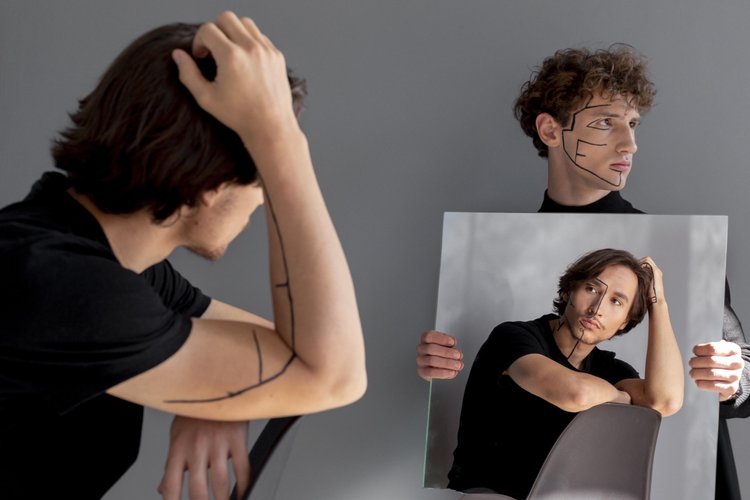
The performance of masculinity in digital arenas takes on heightened dimensions when looksmaxxing and mewing become central acts. Influencers curate images and videos showcasing literal transformations, enacting rituals of discipline and change. This performative spectacle taps into the human penchant for narrative—a hero’s journey from subpar to supreme, invisibility to desirability.
Yet this theatre is double-edged. It perpetuates unrealistic beauty standards and confers a narrow definition of masculinity that hinges on appearance and perceived dominance rather than authentic selfhood. Fans emulate these archetypes, often neglecting deeper psychological or social growth, leaving them vulnerable to manipulation and ideological radicalization.
Intersections with Feminism: Silent War or Misunderstood Dialogue?
While feminism actively challenges reductive frameworks of gender and power, the looksmaxxing and mewing pipeline often positions itself—directly or indirectly—as an antagonistic response. It’s a battleground disguised as a battleground avoidance tactic; instead of confronting structural inequalities, this pipeline diverts frustrations into personal aesthetics and male-centric ideological fortresses.
This creates a paradoxical relationship. The rhetoric berates feminism even as it adopts some of its stylistic and discursive strategies of empowerment. It’s less a genuine dialogue and more a shadow boxing match where both sides misinterpret and misrepresent intentions, fueling polarization and social fragmentation.
Psychological Toll and the Mirage of Perfection
Behind the glossy veneer and viral tutorials lurks an often overlooked truth: the psychological cost. Endless scrutiny of one’s face, body, and ‘market value’ fosters anxiety, shame, and a pervasive dissatisfaction masked as motivation. The pipeline incentivizes comparison, quantitative metrics of attractiveness, and binary outcomes—success versus failure—burning out the very individuals it purports to uplift.
Moreover, mewing’s commitment to lifelong mechanical habit-building can morph into obsessive behavior with diminishing returns. When self-worth becomes tethered to layered rituals and the illusion of perfection, identity flitters away on merciless tides of external validation.
Conclusion: Towards Critical Literacy in the Age of Influencers
In an era dominated by digital self-branding and rapid-fire identity construction, looksmaxxing and mewing emerge as cultural phenomena that are far more than skin deep. They reveal fissures in contemporary masculinity, societal expectations, and the fraught intersections with feminism. Understanding this pipeline requires us to critically examine the seductive narratives spun by male influencers who sell transformation—not just aesthetic, but ideological.
Engagement with these practices calls for vigilance, discernment, and awareness of the underlying social dynamics at play. Beyond the surface allure lies a cautionary tale about the power of image, influence, and ideology in shaping not just faces, but minds and cultural landscapes.