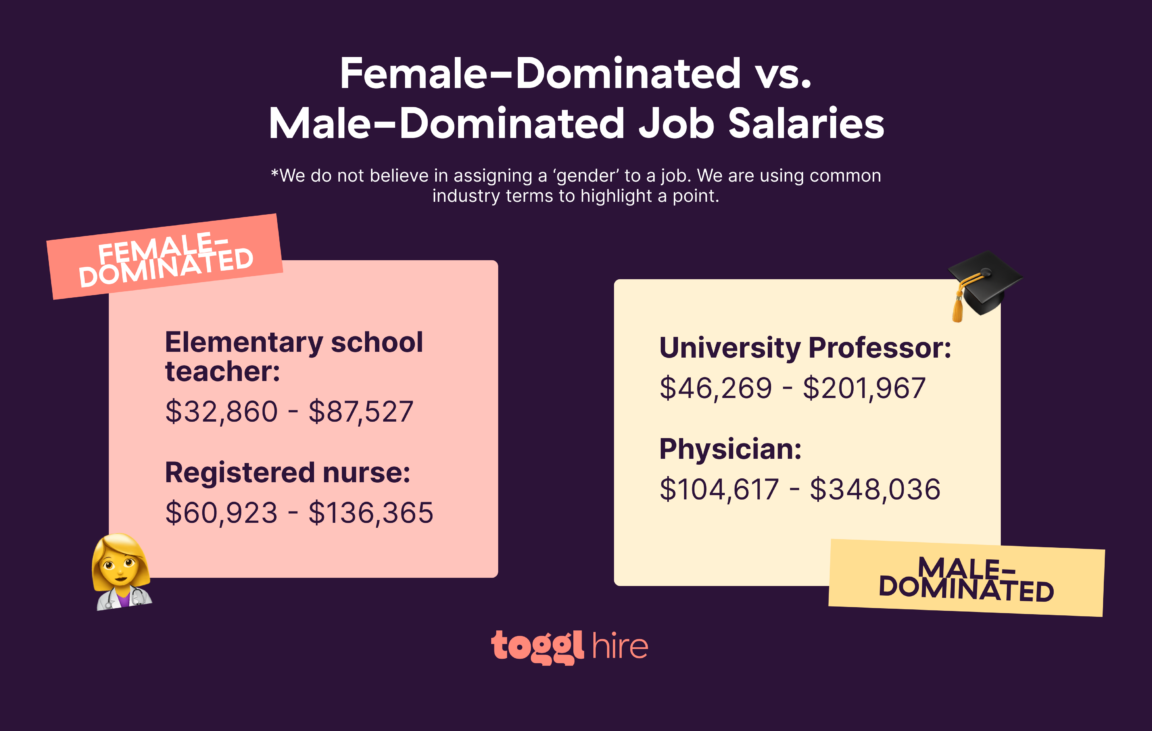
Imagine a diamond—multifaceted, radiant, complex—yet sold as a mere trinket, its brilliance overlooked, its value underappreciated. This metaphor encapsulates the enigma at the heart of pink-collar occupations: professions overwhelmingly dominated by women, requiring intricate technical prowess and emotional acuity, but systematically undervalued in economic and societal terms. Feminism’s battlefield is not just on the streets or in courtrooms, but also within the cubicles and classrooms of these roles, where the paradox of skill versus remuneration is sharply etched. Why are these demanding jobs, the backbone of our social infrastructure, priced so cheaply? This exploration unpacks the layers of the pink-collar paradox, navigating through historical, economic, and cultural dimensions.
The Genesis of the Pink-Collar Category: A Historical Palimpsest
Pink-collar work is a palimpsest; an overwritten manuscript whose original text was dictated by gendered labor divisions embedded deep into the social fabric. From early secretarial roles and nursing to childcare and teaching, these jobs emerged historically as “extensions” of women’s domestic duties. Yet the complexity beneath this facade is staggering. Modern iterations demand not only dexterity but technological savvy and cognitive endurance. Still, society clings stubbornly to the antiquated archetype of these functions as menial, nurturing chores — inherently “less valuable.” This historical tether permanently anchors pink-collar workers in a wage limbo, a space where deep-seated gender norms camouflage the sophisticated skill set required.
Technical Complexity Disguised as Soft Skills
It is a cruel irony that the term “soft skills” has become a euphemism for what can be the most technically intricate and multifarious competencies in the workforce. Pink-collar roles such as nursing, teaching, and social work demand acute problem-solving, simultaneous multitasking under stress, and a mastery of advanced technology and nuanced human psychology. Behind every patient chart update, every lesson plan, every counseling session exists a labyrinth of knowledge—medical information systems, pedagogical tactics, legislative compliance—that would confound many outside these professions. The linguistic minimization of these proficiencies into “soft skills” effectively silences their technical essence, which contributes tacitly to wage depreciation.
Emotional Labor: The Invisible Currency
Emotional labor functions as an invisible currency within pink-collar sectors, a form of cognitive and affective exertion that remains largely unmonetized. Workers pour empathy, patience, and emotional regulation into their jobs, managing their own feelings while soothing others’. This labor, essential yet intangible, complicates the valuation process. Emotional dexterity is taxing—exhausting in a way that eludes conventional productivity metrics. The societal refusal to commodify this labor, because it is traditionally feminine, is a key vector in why pink-collar jobs remain underpaid despite their undeniable indispensability.
Socioeconomic Undervaluation and Wage Stagnation
Economic systems thrive on quantifiable outputs. Yet, pink-collar professions defy this reductionist framework. How does one measure the currency of a life’s guidance, the successful mitigation of a patient’s distress, or the enrichment of young minds? The societal ambivalence toward these contributions manifests in chronic wage stagnation and scant career advancement pathways. This economic undervaluation perpetuates a vicious cycle, reinforcing gender wage gaps and entrenching the notion that feminized labor is intrinsically less worthy. The paradox lies in the extreme necessity of these roles juxtaposed with their paltry financial compensation—a contradiction that continues to gnaw at the foundations of labor equity.
The Cultural Symbolism That Chains Pink-Collar Work
The symbolic dimension of pink-collar jobs ensnares them in cultural myths and gender stereotypes. They are frequently romanticized as “calling” or “vocation,” implying that passion should supersede financial reward. This sentimental framing perpetuates the notion that monetary compensation is secondary, that women should find fulfillment in service regardless of material gain. Additionally, society’s often subconscious relegation of these roles to “women’s work” imbues them with a secondary status, thus normalizing the pay inequity not as a systemic failure, but as a cultural inevitability. These myths act as chains, obscuring the urgent need for structural reform.
Intersectionality and the Vicious Cycle of Marginalization
Peeling back the layers of the pink-collar paradox reveals further complexity through the lens of intersectionality. Race, class, immigration status, and other identities intersect with gender to shape how these jobs are experienced and compensated. Women of color, immigrant women, and those from lower socioeconomic strata disproportionately populate pink-collar roles, often in the most exploited positions. Their compounded marginalization magnifies wage inequities and undermines collective bargaining power. Addressing the pink-collar paradox, therefore, requires more than gender parity—it demands an intersectional reckoning with systemic biases embedded in hiring, pay scales, and labor protections.
Technology and the Evolution of Pink-Collar Work
The digital revolution adds a complex twist to this narrative. Automation and AI threaten to homogenize or even render obsolete some traditional pink-collar roles, while simultaneously elevating the technical bar for others. For example, medical coding, telehealth services, and digital classroom management systems require constant upskilling and tech fluency. Yet the wage structures have been slow to reflect this heightened technical threshold. Moreover, technology can either be an enabler offering new opportunities for empowerment or a tool of displacement that exacerbates precarity. The trajectory of pink-collar professions is at a crossroads where adaptation will be crucial for their survival and recognition.
Strategies to Shatter the Pink-Collar Glass Ceiling
Reconciling the pink-collar paradox demands multilayered strategies. First, the unequivocal recognition of the technical and emotional labor involved must become standard practice, reshaping how job descriptions, professional standards, and compensation models are constructed. Second, legislative and policy reforms—such as pay transparency, wage equity laws, and expanded social safety nets—must be aggressively pursued. Third, societal narratives require recalibration to depathologize the notion of caregiving and service as mere “women’s roles,” replacing them with a robust valorization of expertise and contribution. Finally, fostering unionization and collective advocacy within pink-collar fields can disrupt entrenched power dynamics and drive change from within.
The Feminist Imperative: Reclaiming Value
The pink-collar paradox is not merely an economic anomaly; it is a feminist clarion call. It demands a reexamination of value itself—not measured solely in dollars, but in dignity, complexity, and irreplaceability. Feminism’s mission must extend beyond breaking glass ceilings in traditional male-dominated sectors, to blowing apart the undervaluation that confines women’s work in pink-collar spheres. These are not jobs to be downplayed or sidelined; they are vital arenas where technical mastery and human compassion converge. A society that fails to remunerate this labor justly undermines its own moral and economic foundations. The revolution is both cultural and structural, demanding audacity, creativity, and above all, relentless insistence on true equity.