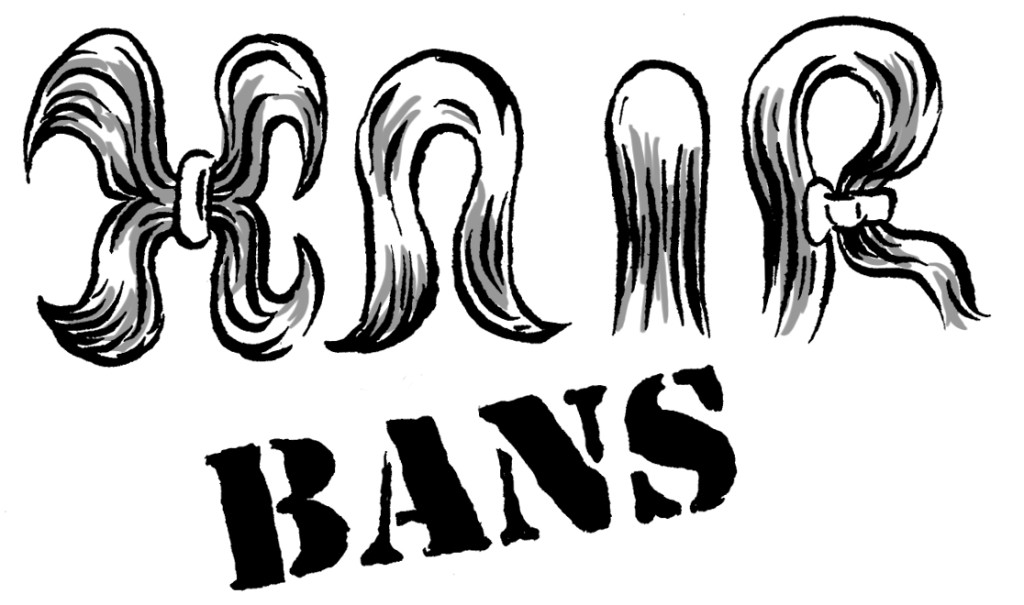
There’s something oddly captivating about hair—its texture, its volume, its style. It’s more than just strands woven together; hair is a powerful emblem of identity, culture, and resistance. Yet, beneath the surface fascination lies a sinister narrative: the policing of natural hair, particularly on Black bodies, revealing a labyrinth of discrimination and a battleground for feminist politics that still rages. Why does something so seemingly innocuous spark such heated controversy? The answer is woven deep into centuries of social control, racial prejudices, and gendered expectations.
The Historical Roots of Hair Discrimination
It is essential to understand that hair discrimination did not emerge in a vacuum. The policing of hair—especially natural Black hair—dates back to slavery and colonialism, where controlling the aesthetic of the enslaved was another method of subjugation. Hair texture was weaponized as a marker of ‘otherness,’ stripped from its cultural significance and instead framed as unruly, unprofessional, or undesirable. This historical backdrop set the stage for entrenched biases that have perpetuated racialized and gendered hair norms into modern society.
The repercussions are deeply intertwined with the legacies of Eurocentric standards of beauty that still dominate fashion, media, and workplace codes. The glorification of straight, sleek hair epitomizes assimilation, signaling a tacit demand to conform and erase individuality, particularly for women of color. What’s curious is how these arbitrary aesthetic choices have ascended into institutionalized rules, underpinning a systemic marginalization that transcends mere preference.
Natural Hair Bans: The Invisible Chains
At the heart of this discourse are the so-called natural hair bans—explicit or implicit policies enforced in schools, workplaces, and military environments that target hairstyles such as afros, braids, locs, and twists. Ostensibly about “professionalism” or “neatness,” these prohibitions often morph into thinly veiled vehicles for racial discrimination. They aren’t just about grooming; they symbolize the erasure of cultural heritage, stripping away an essential facet of Black identity.
Consider the psychological toll. When natural hair is flagged as “inappropriate” or “unruly,” it tells the individual that their innate features are unacceptable, cultivating internalized racism and self-doubt. It’s an insidious form of microaggression that seeps into self-perception and public interactions. These bans are an affront not only to personal expression but to the very right to exist authentically within a society.
Feminism’s Intersection with Hair Politics
Hair has always been a prime site of feminist reclamation and defiance. In the mainstream feminist narrative, liberation is often simplistically coded as the rejection of traditional beauty standards—cutting one’s hair short or going “natural” is portrayed as a conscious act of empowerment. However, for Black women, this terrain is infinitely more complex and fraught.
Natural hair becomes a radical emblem against oppressive beauty norms, gendered expectations, and racial subjugation. It is an assertion of bodily autonomy and a refusal to capitulate to homogenizing pressures. Yet, the politicization of hair also exposes fault lines within feminist movements that have historically prioritized white-centric experiences, frequently overlooking how race and hair discrimination compound the oppression of women of color.
Thus, the politics of hair within feminism demand an intersectional lens—where race, gender, and cultural identity are inseparable threads. The fight against natural hair bans is simultaneously a feminist struggle against patriarchal and racial hierarchies that seek to regulate women’s bodies and identities.
The Social Fascination and Fear of Natural Hair
Why does society fixate so intently on hair, especially when it challenges prevailing norms? There is a psychological and sociocultural explanation layered beneath this fascination. Hair is visible, tactile, and mutable—traits that lend it symbolic heft. Natural hair, by embracing unaltered textures and voluminous styles, disrupts the normativity of Eurocentric beauty standards. It becomes a visual cue that unsettles racialized complacency and white supremacist ideals.
Paradoxically, natural hair elicits both admiration and discomfort—a simultaneous celebration of authenticity alongside an undercurrent of fear. This fear is a fear of difference, a fear of divergence from the “mainstream.” Such reactions reveal how profoundly hair is entangled with identity politics, self-worth, and social power dynamics.
Legal Battles and the Quest for Recognition
Thankfully, the last decade has witnessed a burgeoning movement against hair discrimination, with activists, legislators, and community members confronting these archaic bans. Landmark legislation like the CROWN Act in several states explicitly outlaw hair discrimination, signaling a societal reckoning with the perniciousness of natural hair bans.
These legal battles are not merely about hairstyles but about dismantling systemic racism and affirming the right to self-expression. Yet, challenges persist, as policies sometimes mask discrimination under the guise of corporate or institutional “standards.” The fight is ongoing, demanding vigilance and sustained activism to ensure that the liberation of natural hair is recognized as an essential human right.
The Future of Hair Politics in Feminism
The politics of hair is evolving. There is a growing acknowledgment within feminist circles that hair discrimination intersects with broader systems of oppression. The future promises more inclusive frameworks that honor diverse expressions of beauty, identity, and cultural heritage.
Empowerment comes not from forcing conformity but from embracing multiplicity. As natural hair gains visibility and acceptance, it challenges monolithic notions of professionalism and beauty, simultaneously inviting society to reimagine freedom and equality. It’s a radical shift that reclaims hair as more than ornamentation—transforming it into a bold declaration of resilience, dignity, and unyielding identity.