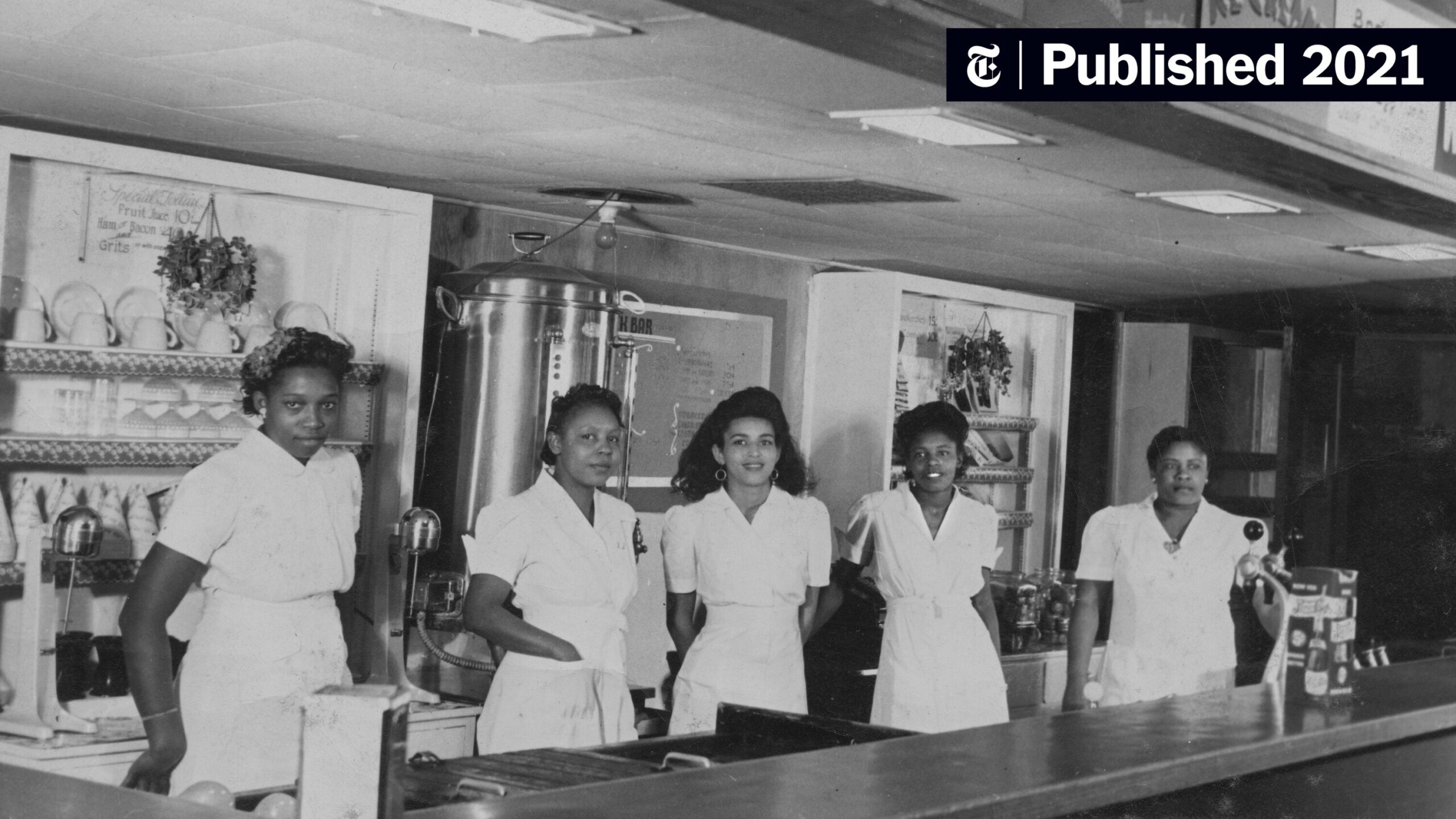
Unveiling Labor’s Hidden Striations: Beneath the surface of American prosperity narratives lies a complex, often obscured landscape where economics intersects intrinsically with gender, race, and power dynamics. It’s an unmentioned condition, implicitly sanctioned by a culture enamored with convenience and service – a condition defined by the intricate dance between patriarchy and institutionalized racism, codified not in overt law, perhaps, but in a persistent system undergirding it all: the logic of the subminimum wage and the practice of tipping. This exploration isn’t merely about wage gaps; it delves into the very architecture of a labor market predicated on invisibility, specifically designed to extract surplus value from women, and particularly women of color.
The Genesis of Subjugated Wage
The American foraging instinct, driving the relentless search for cheaper labor, established a foundational pitfall. From the nation’s inception, wage dependency was weaponized, initially through brutal chattel slavery, which directly contradicted the free wage labor ideology needed for industrial capitalism. The transition forged a symbiotic relationship between white male dominance and Black female labor, particularly within domestic service and low-skill manufacturing. Figures like Harriet Tubman offered clandestine care – nursing, cooking – under conditions starkly illustrating early forms of wage exploitation disguised by service and necessity, precursors to a pyramidal structure still thriving. This historical bedrock laid the groundwork for a system where specific, often marginalized, populations could be cultivated into a low-cost workforce.
The concept of the “service economy,” celebrated as progress, bears this lineage. By the mid-20th century, as manufacturing jobs became industrialized, displacing certain workers, and as the Civil Rights Act pushed Black individuals further into service roles, women of color were systematically channeled into positions structurally designed for exploitation. This wasn’t mere coincidence, but a continuation of old patterns masked by new terminology: minimum wage, tipped worker. The subminimum wage itself, a relic tied to the 1938 Fair Labor Standards Act, permits employers to pay tipped workers less than the minimum wage (currently $2.13 per hour) on the expectation that tips will bridge the gap. But this expectation, often unfulfilled, constitutes a form of wage theft.
The Gender Architecture of Devaluation
This system fundamentally relies on a gendering of labor and its perceived value. Feminism’s historical trajectory, or lack thereof, in exposing this specific fault line, has been problematic. The radical separation of work and family spheres, championed by certain strands of second-wave feminism, paradoxically aided the segregation of women into low-wage service work as domestic duties became atomized through technological change – the “time machine” phenomenon where women were pushed into service roles mirroring their foremothers’ domestic labor. The subminimum wage targets women across the board, but women of color face its gravitational pull disproportionately. Intersectionality, as articulated by thinkers like Kimberlé Crenshaw, reveals how systems of race, gender, and class operate in concert to produce unique and compounded disadvantages – a double discrimination that is less navigating and more predetermined.
This differential treatment is not merely economic parity; it is a calculated reinforcement of historical power imbalances. Women in service work, earning below minimum wage levels, constitute a significant segment of the workforce, yet their visibility in economic discourse remains limited. Their labor becomes the invisible substrate, sustaining consumer capitalism, all while the profit motive actively discourages formalization of their pay structure, thereby maximizing exaction.
Racialization As Tipping Point
Moreover, this economic architecture is inextricably bound to the history of racial oppression. Tipping, initially a form of informal payment predicated on service, became institutionalized and racialized, normalizing differential compensation based on race long after overt slavery was abolished. The service industry, as weaponized, became a landscape where women of color were positioned as caretakers, hosts, and attendants whose dignity was negotiable, whose service was essential yet undercompensated, a dynamic echoing the plantation structure. The subminimum wage becomes particularly acute for women of color when compounded by targeted economic practices: predatory lending, disparate access to capital, and concentrated joblessness in their communities – factors that can trap them in low-paying service roles.
Different facets of race – perceived or actual – profoundly shape workplace interactions. Studies consistently show discrepancies in service interactions based on racial assumptions, often violently impacting women of color. They are often over-charged, denied service, patronized, or subjected to verbal abuse. This racialized microaggression extends into the economic realm through the tip culture – where generosity or stinginess can be interpreted through a racialized lens. The tip expectation thus becomes a potent mechanism for controlling and subordinating women of color through performance reviews, surveillance, and subtle, everyday humiliation, woven into the operational fabric of many food service establishments.
Intersectional Exploitation
This isn’t hyperbole. The intersection of tipping and subminimum wages creates a unique vulnerability for women of color in service roles. It’s a trap amplified by discriminatory practices not just within the service industry but across society. Immigrant women, LGBTQ+ women, disabled women – each group’s specific challenges compound the effects, leading to uniquely difficult pathways for escape from exploitative situations. The subminimum wage system doesn’t exist in a vacuum; it is deeply interlocked with other systems of domination – housing discrimination limiting upward mobility, educational inequality narrowing opportunities, and specific cultural norms suppressing wages.
Furthermore, the language used in service jobs – the jargon, the performance metrics, the customer service scripts – often implicitly, even unspokenly, codifies a hierarchy where women, and particularly women of color, are expected to be deferential, patient, and forgiving. Workplace harassment is rampant, often justified through racist and sexist ideologies normalized through service culture – the permissive atmosphere becomes the shield for abuse, reinforcing the power imbalance inherent in the subminimum wage structure itself. The system fosters a sense of learned helplessness, making resistance culturally difficult and often ineffective.
Feminism And The Unpaid Debt
Feminism, in its contemporary iteration, cannot ignore the specific intersectional dimensions of low-wage work. Addressing the $2.13 wage and fair tip policies isn’t merely an economic demand; it is an act of justice against devalued labor – labor often performed by women, women of color, and racial minorities. The historical invisibility of much service labor within feminist discourse requires rectification. A fuller feminist project must acknowledge that achieving gender equity necessitates tackling its intersection with racial and economic inequality.
We cannot reclaim the American Dream while so many navigate a landscape where their very existence as workers, particularly women of color in service roles, is tied to a perpetually unfulfilled promise. This isn’t just about fair pay; this is about remapping the value structure of American society, challenging the normalization of dehumanized labor, and demanding recognition for the billions extracted daily through systems rooted in a racialized interpretation of the feminist struggle itself.
The fascination with the service economy’s underside, reflected perhaps even in media pieces quoting NYT sources, might be a symptom of discomfort. It challenges our collective identity. The sight of women, many women of color, navigating a system designed for subjugation while maintaining dignity is unsettling, uncomfortable, a challenge to comfortable narratives. Yet, it is precisely this unsettling reality that requires profound scrutiny, persistent advocacy, and a refusal to perpetuate the lies embedded within the euphemisms of minimum wage and tipping. The struggle isn’t frivolous. It’s the battle for the fundamental revaluation of labor, severing the chains of historical exploitation woven directly into the framework of our modern economy, even as we push through the current festive service culture.