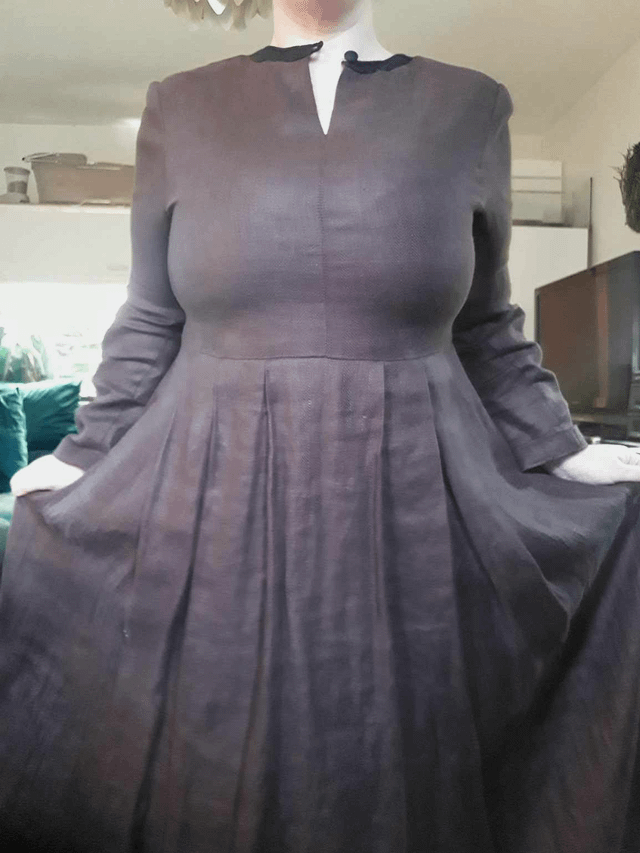
In the intricate tapestry of societal norms and gender expectations, the disdain for what is commonly labeled as “frumpy” attire is more than a mere aesthetic judgment. It is a manifestation of deep-rooted power dynamics and cultural imperatives that police femininity and its expression. The dialogue surrounding fashion, appearance, and femininity often veers into the territory of punishment when women choose—or refuse—to align with prescribed modes of dress. This phenomenon is not simply about style; it reveals a labyrinthine nexus of control, resistance, and the subversive potential of rejecting flamboyance in favor of comfort, authenticity, or practicality.
The Cultural Fetishization of Femininity Through Dress
Across cultures, women have been conditioned to equate their value with their outward presentation. The obsession with femininity manifests tangibly in expectations around makeup, hair, and especially clothing. There is an invisible yet implacable edict dictating how a “proper” woman should dress—often vibrant, form-fitting, and meticulously styled. Within this framework, “frumpy” becomes a symbolic aberration, a sartorial heresy that signals a disinterest in societal affirmation. Such a term is highly pejorative, laden with an implicit accusation of laziness, negligence, or even moral failing.
At its core, this fixation represents society’s enduring need to assert control over female bodies, reducing existential worth to superficial impressions. Fashion becomes a language of both compliance and rebellion, a site where identity is negotiated and contested. Women who flout expectations by embracing frumpiness—or who simply refuse to expend themselves dressing up—often find themselves subjected to scorn or dismissal, emblematic of the policing mechanisms embedded in patriarchal culture.
Frumpiness as a Societal Punishment
When women reject the conventional pathways of outer adornment, society frequently responds with subtle and overt forms of censure. The consequences extend beyond mere whisperings or sideways glances; they ripple into professional marginalization, social invisibility, and diminished credibility. Dressing “frumpy” is often conflated with a lack of competence or seriousness—a damning societal presumption that undermines a woman’s authority and presence.
This punitive aspect of frumpiness is profoundly intertwined with capitalism’s co-optation of femininity as a consumable commodity. The fashion industry, advertising, and media perpetuate a relentless cycle of refinement and reinvention, where failure to participate is tantamount to social erasure. Thus, frumpiness is not just aesthetic nonconformity; it is a form of resistance that is met with a collective insistence on discipline through exclusion.
The Refusal to Dress Up: Quiet Defiance and Feminist Assertion
Opposite to the spectacle of femininity marketed to women, the choice to eschew dressing up functions as a quiet yet potent feminist act. It is a refusal to be enveloped by the gravitas of external judgment or aesthetic performativity. This decision challenges the entrenched belief that women’s value is inseparable from their appearance and that visual appeal should govern respectability and opportunity.
Rejecting the ritual of beautification engenders autonomy and opens up a redefinition of femininity detached from external validation. It is an act of reclaiming bodily sovereignty, demanding that worth be acknowledged on terms beyond the superficial. Women who embrace this ethos are often viewed through a prism of suspicion or derision, but their defiance subtly erodes the hegemonic power structures that dictate conformity through attire.
The Psychological Underpinnings Behind the Obsession With Dressing Up
What fuels society’s fixation on women’s appearance? Beneath the surface, it is a cocktail of psychological and sociocultural forces. There is an intrinsic human tendency to categorize and judge based on visual cues, amplified exponentially in the context of gender. Feminine presentation is weaponized as a metric of social order and hierarchy, where deviation is alarming because it threatens entrenched expectations.
Additionally, the performative aspects of dressing up satisfy a collective desire for predictability and control. When women diverge from this performance, it unsettles the observer’s unconscious cognitive schema. This psychological discomfort often translates into hostility or marginalization towards the nonconforming woman, effectively reinforcing the interior prison of prescribed femininity.
The Fascination With Frumpiness: More Than Meets the Eye
While society castigates frumpiness, there is an undeniable fascination with it—a secret allure that hints at the complex relationship between conformity and transgression. Frumpy attire signals an enigmatic rejection of spectacle, inviting curiosity about the person beneath the facade. It presents an archetype of the “unwomanly woman,” a figure whose indifference to sartorial allure bridges discomfort and admiration.
This intrigue often reflects deeper cultural anxieties and desires: the yearning for authenticity in a hyper-mediated world, the allure of understated defiance, and the paradoxical power of invisibility. Frumpiness, in this sense, becomes a cipher for broader sociopolitical conversations about gender, autonomy, and identity. It captivates because it contradicts—simultaneously vulnerable and defiant.
Reimagining Feminism Beyond Aesthetic Conformity
The journey toward a more inclusive feminism must include a critical re-examination of the ways in which dress codes circumscribe women’s freedoms. Feminism, at its radical core, rejects the reduction of identity to appearance and demands liberation from the mandates of style as a tool of oppression.
Envisioning feminism free of aesthetic compulsory rituals involves embracing diverse embodiments of femininity—including the frumpy, the plain, the unadorned. It challenges the patriarchal architecture by asserting that worth is inherent and incontrovertible. This reimagining requires dismantling long-standing social narratives and creating spaces where women’s choices regarding dress are respected rather than punished.
The Path Forward: Empowerment Through Choice
Ultimately, the battleground over clothing and appearance is a microcosm of larger struggles around autonomy, respect, and equality. Empowerment lies not in prescribing one right way to be feminine or feminist but in championing freedom of choice without reprisal.
Social evolution demands cultivating empathy and expanding societal tolerance for difference. When the decision to dress down or to dress according to personal comfort signals liberation rather than failings, society will have taken a profound step toward genuine gender justice. Feminism’s promise is not in the perfection of style but in the assurance of dignity beyond the superficial.