In the labyrinthine corridors of professional life, where ambition meets obligation, an insidious menace often lurks beneath the polished veneer: stalking and domestic violence. These shadows creep into the workplace, fracturing the fragile sanctity of safety and productivity. Feminism, wielding both a scalpel and a shield, carves out a formidable legal fortification for victims, ensuring their rights are not merely whispers in policy manuals but resonant calls for justice. This primer unravels the complex interplay of feminism and law, illuminating how workplace rights serve as a bulwark against the corrosive tides of stalking and domestic violence.
The Veiled Epidemic: Understanding Stalking and Domestic Violence in the Workplace
Stalking and domestic violence are often mistakenly confined to the private sphere, but their tendrils insidiously extend into professional realms. The workplace, ideally a haven of empowerment and opportunity, becomes a crucible where victims confront the collision of personal trauma and public expectation. Stalking manifests not only as physical pursuit but as psychological warfare through relentless communications, surveillance, or unwanted intrusions into professional spaces. Domestic violence infiltrates through emotional scars, physical injuries, and the looming threat of abusers leveraging employment status or workplace access to perpetuate control.
This incurs a profound toll: diminished productivity, heightened absenteeism, and emotional exhaustion—echoes of the chaos stalking and domestic violence sow. The legal frameworks designed to mitigate these impacts embody feminist principles that affirm victim autonomy, dignity, and safety within the workplace. Understanding this foundation is pivotal.
Feminism’s Crucible: Shaping Workplace Protections
Feminism’s transformative power lies in its unrelenting interrogation of power asymmetries, particularly those rooted in gender-based violence. When applied to workplace rights, feminism destabilizes archaic norms that silence victims and perpetuate systemic invisibility. It demands that workplaces transcend perfunctory compliance, fostering environments where victims can disclose abuse without fear of retribution or stigma.
Legal protections tailored for victims of stalking and domestic violence are feminist embodiments of justice—they recognize the intersection of gender, safety, and labor rights. By mandating reasonable accommodations such as flexible schedules, workplace transfers, or leaves of absence, these laws subvert the traditional paradigms that often penalize victims for circumstances beyond their control.
The Legal Landscape: Statutes and Protections Illuminated
The legal tableau addressing workplace rights for victims is multifaceted, comprised of statutes at federal, state, and local levels. Prominent among these are provisions that compel employers to grant leave or protective measures without penalizing the employee’s job security or benefits. The Family and Medical Leave Act (FMLA) serves as one such pillar, offering unpaid leave for victims to seek medical care or obtain legal remedies.
Beyond FMLA, various states introduce tailored legislation that explicitly identifies stalking and domestic violence victims as protected classes in employment contexts. These laws often require employers to implement safety plans, adjust work schedules, or ensure confidentiality to mitigate the threats posed by abusers. Compliance is not optional; it is a legal imperative that underscores the societal acknowledgment of violence’s ripple effects beyond private domains.
Employers as Gatekeepers: Responsibilities and Ethical Imperatives
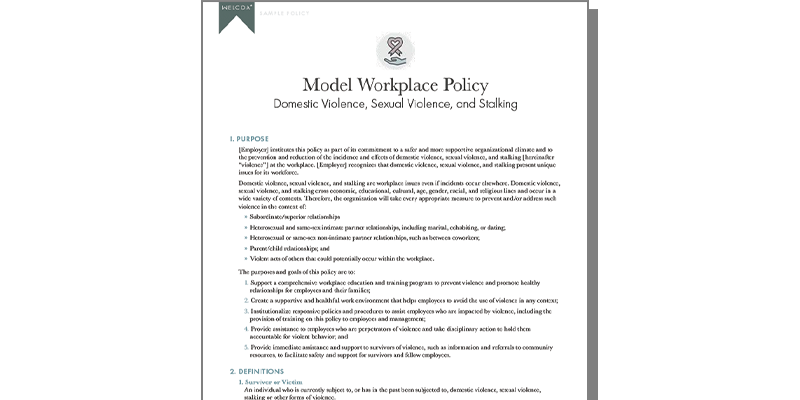
Within this legal crucible, employers emerge as critical gatekeepers. They must balance operational exigencies with the moral and legal imperative to shield victims. Forward-thinking organizations implement comprehensive workplace policies that codify victim protections, articulate complaint procedures, and establish training programs to educate management and staff about the dynamics of stalking and domestic violence.
Such policies are not mere legal armor—they cultivate a culture of vigilance and empathy, transforming workplaces into arenas of resilience rather than vulnerability. Recognition and validation of victims’ experiences empower them, reducing isolation and fostering reintegration within the professional arena.
Challenges on the Horizon: Navigating Ambiguities and Resistance
Despite the scaffolding of laws and policies, victims often encounter formidable obstacles. The invisibility of stalking—the absence of visible injuries or tangible evidence—can elide recognition. Employers’ apprehensions about privacy conflicts, legal liabilities, and operational disruptions may engender reluctance to fully embrace accommodations.
Moreover, societal stigmas about victimhood and persistent gender biases conspire to silence disclosures or prompt victim-blaming. Feminism’s ongoing crusade involves not only codifying rights but dismantling these pervasive cultural shackles, advocating for systemic education and attitudinal transformation.
Empowering Victims: The Role of Advocacy and Legal Counsel
For victims traversing this challenging legal landscape, advocacy and legal counsel are indispensable allies. Specialized advocacy groups and legal experts offer critical guidance on navigating workplace rights, crafting safety plans, and accessing protective orders that extend into the workplace context.
Such support systems are feminist instruments of empowerment—amplifying the voices of the vulnerable, reifying their entitlements, and bridging the chasm between policy and lived reality. Victims equipped with knowledge and representation are better positioned to reclaim agency and rebuild professional and personal identities scarred by violence.
Conclusion: Toward a Sanctuary of Justice and Equity
The journey toward a workplace that is genuinely safe for victims of stalking and domestic violence is arduous but imperative. Feminism, in concert with the law, illuminates a path where rights are robustly defended, vulnerabilities recognized, and dignity restored. This confluence does not merely protect individuals; it redefines the workplace as a sanctuary—where justice is not a perfume worn only on policy pages, but a living, breathing ethos pulsating through every corridor and cubicle.
Continued vigilance, rigorous enforcement, and cultural metamorphosis are essential. Only then can the professional realm shed the shadows of violence, allowing every employee to thrive unencumbered and unafraid.