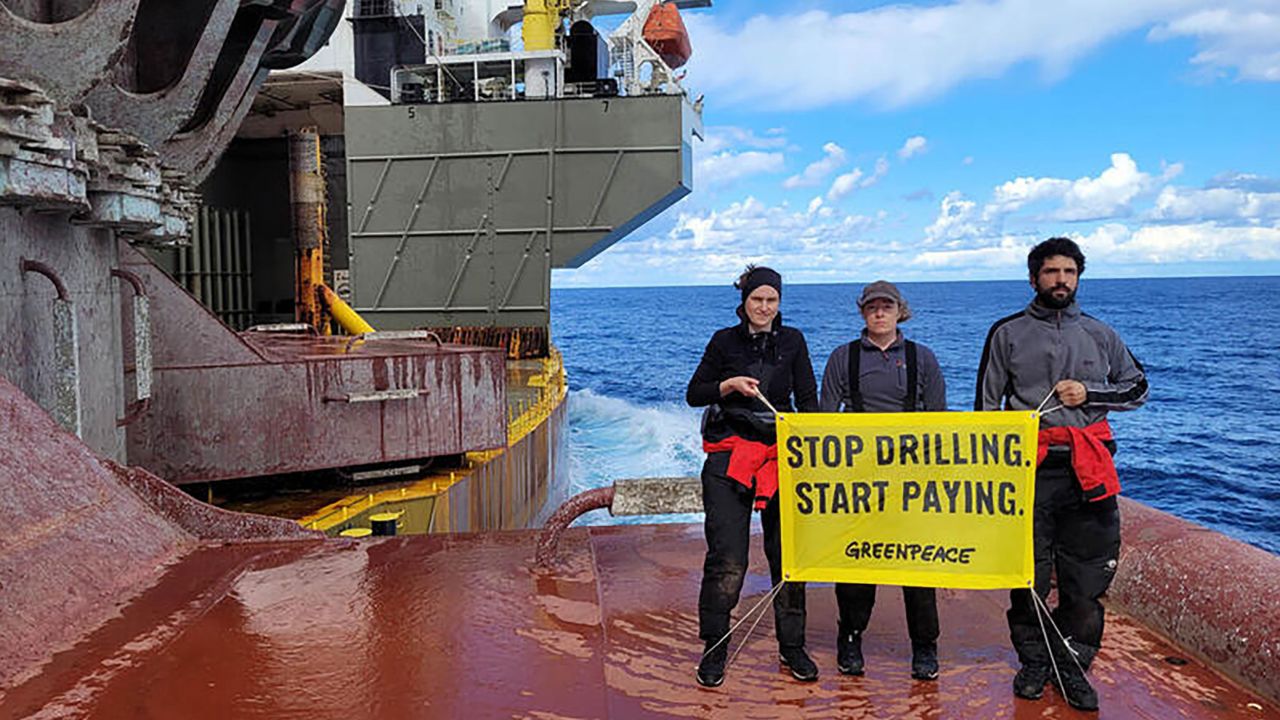
In an era clamoring for justice, both environmental and social, the convergence of feminism and climate accountability emerges as a revolutionary framework demanding urgent attention. The patriarchal exploitations that have long dictated the trajectory of industrialization now face scrutiny not only for their devastating impact on the planet but for the systemic inequalities they perpetuate. “Stop Drilling, Start Healing” is not a mere slogan—it is a clarion call to reimagine power dynamics, redefine progress, and recalibrate humanity’s relationship with Earth through the lens of radical equity and responsibility.
Decoding the Intersection of Feminism and Environmentalism
Feminism, at its core, is a quest for dismantling hierarchies that oppress not only people but the planet itself. Environmental degradation is not an isolated affliction; it is entangled with patriarchal structures that prioritize profit over preservation, domination over care. Climate accountability through a feminist perspective exposes the gendered dimensions of ecological harm. Women, particularly those in marginalized communities, bear disproportionate burdens from climate crises—rising sea levels, toxic pollution, and resource depletion. They are both frontline victims and potent agents of change. Recognizing this entwinement demands a paradigm shift that values empathy, inclusivity, and restorative justice, challenging the mechanistic exploitation synonymous with patriarchal capitalism.
The False Promise of Drilling: Illusions of Energy Security
Driven by a voracious appetite for fossil fuels, the global obsession with drilling epitomizes short-sightedness cloaked in economic rationalism. The excavation of Earth’s veins to feed insatiable energy demands is framed as indispensable progress, yet it perpetuates environmental calamity and social injustice. This narrative, hardened by political and corporate interests, ignores the mounting evidence of extraction’s catastrophic consequences—oil spills, greenhouse gas emissions, and biodiversity collapse. The feminist critique pierces this glossy veneer, revealing a system rooted in masculinity’s archetype of domination and control. The promised energy security is an illusion, masking a legacy of ecological violence and community disenfranchisement. It’s time to unravel these fallacies with clarity and courage.
Embodied Accountability: Climate Justice as Feminist Praxis
Climate accountability transcends bureaucratic mandates and technological fixes; it demands embodied, intersectional praxis imbued with feminist ethics. This approach insists on recognizing how climate change disproportionately impacts women, especially those at the nexus of poverty, race, and geography. It calls for policies that do not merely mitigate carbon emissions but also dismantle inequitable power relations and safeguard human dignity. Feminist climate accountability insists that healers need not be distant experts; they often emerge from affected communities, armed with indigenous wisdom, lived experience, and profound resilience. Listening to these voices is essential—because genuine healing begins where oppression ends.
Stop Drilling: The Radical Act of Resistance
Halting fossil fuel extraction is more than an environmental necessity; it is a revolutionary act of resistance against entrenched systems of exploitation. The imagery of activists scaling oil platforms echoes a defiant refusal to accept business-as-usual. This literal and symbolic ascent challenges the monolith of oil corporations, asserting that the Earth’s well-being outweighs profit margins. Feminist resistance here means dismantling patriarchal industries upheld by greed and negligence, fostering accountability that is as ruthless as it is compassionate. Decisively stopping drilling operations signals a commitment to structural transformation, steering humanity towards an era of sustainability and justice rather than extraction and devastation.
Start Healing: Cultivating Regeneration and Feminine Wisdom
Healing the planet necessitates embracing regenerative practices rooted in feminine wisdom—qualities historically marginalized in our cultures: nurturance, interconnectedness, and reverence for cycles of life. This means transitioning from exploitative energy models to sustainable alternatives that honor the Earth’s rhythms. Community-led reforestation, soil revitalization, and ocean regeneration are not merely environmental acts; they are feminist imperatives that restore balance and empower those often disenfranchised. Starting to heal is an invitation to reimagine progress through the prism of care rather than conquest, embedding respect for the natural world in the fabric of social and economic life.
The Promise of a New Paradigm: Synergizing Feminism and Climate Accountability
What if the future of climate action is inseparable from the future of feminist rebellion? What if accountability meant not only reckoning with emissions but confronting deep-rooted inequities? The promise of this new paradigm lies in its audacity to reframe the crisis as an opportunity for profound transformation. It is a vision where energy sovereignty is equitable, where leadership is diverse and decentralized, and where healing is holistic—encompassing both people and the planet. This fusion compels us to cultivate policies and movements attuned to justice in all its dimensions. It ignites a shift in perspective from exploitation to stewardship, from silence to vocal, urgent intervention.
Conclusion: The Path Forward is Feminist and Green
The mantra “Stop Drilling, Start Healing” embodies more than a call to action—it encapsulates an ethos. The fusion of feminism and climate accountability demands an unflinching challenge to the status quo and insists on radical transformation. It beckons us to unshackle ourselves from patriarchal paradigms that have long suffocated our ecosystems and communities. To embrace this shift is to pledge allegiance to a future where healing and justice harmonize, where the resilience of women and the Earth’s rejuvenation become twin pillars sustaining a richer, more equitable existence. The path forward is not only green—it is unapologetically feminist. And in that, it holds the potential to rewrite the narrative of our times.