What if the warming of icy deserts thousands of miles away isn’t just an environmental headline, but a clarion call to a deep, uncomfortable reckoning? Imagine a world where melting glaciers in the Arctic are not merely melting ice but unearthing fractures in our global accountability—fractures that imperil the very lives of women halfway across the planet. Can feminism rise, emboldened and unyielding, to claim climate justice, even as the Arctic thaw signals upheaval and women in the Global South are literally drowning in the aftermath? This isn’t just a challenge; it’s a seismic test of solidarity, power, and our collective resolve.
The Arctic’ s Meltdown: More Than a Melancholy Metaphor
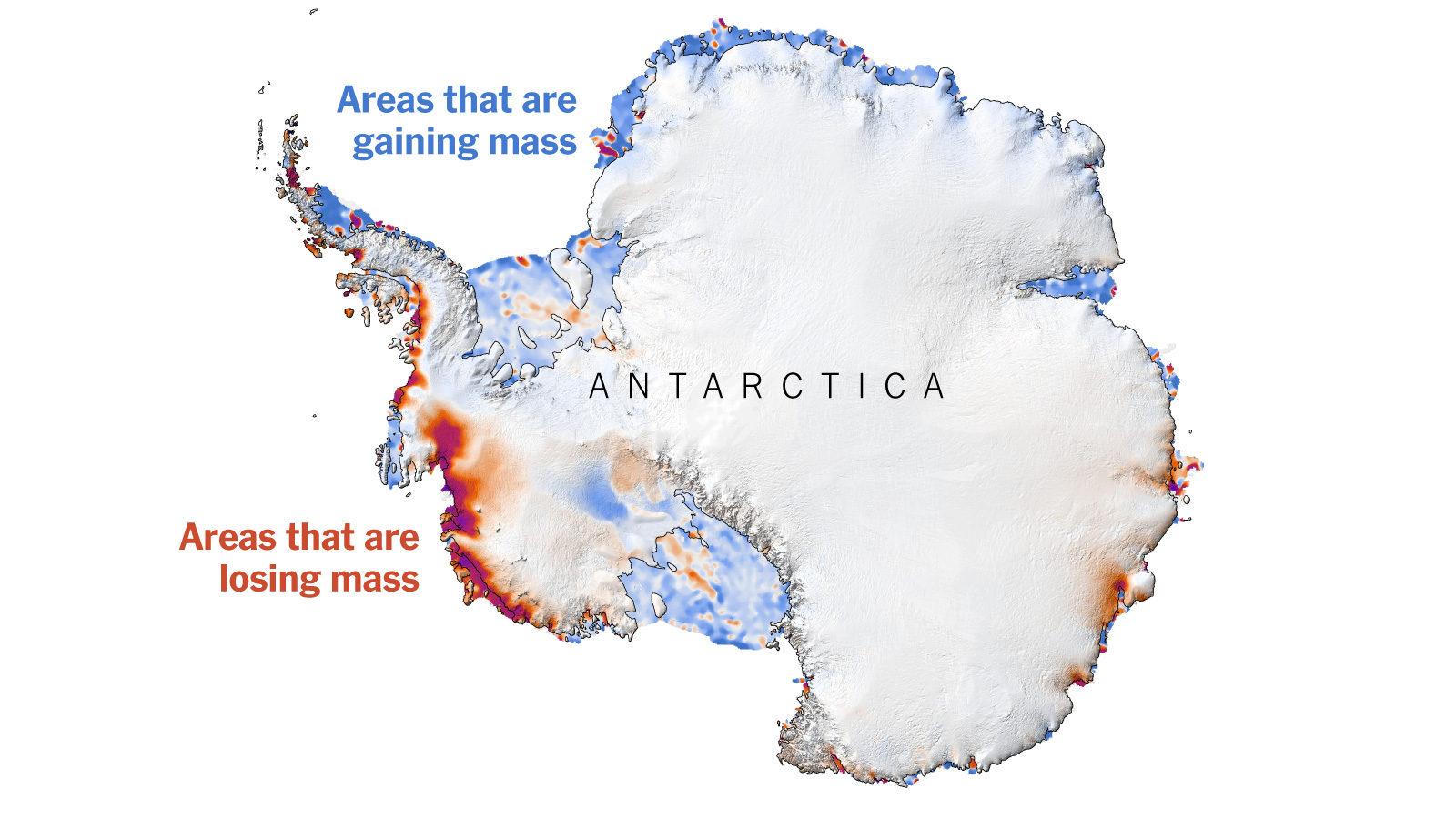
Far beyond the poetic allure of pristine white tundras and enigmatic polar bears, the Arctic’s melting is a visceral alarm bell ringing through the corridors of climate science and political inertia alike. It is a physical testament to decades of human hubris, a symptom of unyielding carbon indulgence. As satellite lenses capture this unprecedented retreat of ice, the world grapples with an unsettling realization: the Arctic is not merely a remote spectacle, but a thermostat to humanity’s excesses. This frostbitten wilderness, once etched in permanence, now narrates a tale of transgression and impending transformation—one that reshuffles the very configurations of water, weather, and vulnerability.
Yet, how often do we connect this decline to a gendered landscape of suffering? The melting Arctic casts long shadows far beyond its icy horizons—shadows that darken the sun-ravaged shores and flood-ridden villages of the Global South, where women face an avalanche of risks compounded by climatic injustice.
Climate Change as a Gendered Catastrophe
Climate change is famously indiscriminate in its physical mechanisms, but in social dynamics, it is a diabolical partisan. Women, especially in poorer communities of Asia, Africa, and Latin America, bear a disproportionately heavy burden. They are frontline responders to environmental calamities—fetching water, tending crops, safeguarding families—but are also marginalized by socio-economic structures that limit their agency. The rising tides that threaten their homes are not natural disasters alone; they are manifestations of entrenched inequities wrapped in carbon emissions and policy failures.
This intersection of climate and gender exposes the grotesque paradox: those least responsible for greenhouse gas emissions are the most vulnerable to its impact. But more disturbingly, women’s subjugated status renders their anguish invisible in global forums dominated by politicized power plays and corporate interests. The Arctic melts, yet the plight of women drowning in deluges and famine remains ignored or sidelined. How can climate accountability be real, when the stories of these women are mere whisperings beneath the cacophony of industrial greed?
Feminism and Climate Justice: A Nexus of Resistance
Is feminism merely a struggle for equal rights, or can it be the fulcrum for transformative climate action? The answer is urgent and multifaceted. Feminism, with its core ethos of challenging systems of oppression, offers a powerful lens through which to scrutinize environmental injustice. It demands that climate action transcends technocratic fixes and embraces social justice as its heartbeat. Women activists in the Global South are not just victims; they are leaders, strategists, and visionaries forging sustainable alternatives rooted in indigenous knowledge and communal resilience.
To assert climate accountability, feminism must reclaim its terrain beyond legal statutes and symbolic gestures—it must embed itself within global climate governance. This means pushing for gender-responsive policies that acknowledge the asymmetrical impact of the Arctic’s melting on women’s lives thousands of miles distant. It means dismantling patriarchal structures that throttle women’s access to resources, education, and leadership. When feminism fights climate change, it wields both the scalpel of critique and the lantern of hope—forging solidarities that can withstand rising seas and systemic denial.
How Does the Arctic’s Melting Affect Women in the Global South?
At first glance, the connection between frozen Arctic landscapes and flood-prone river deltas seems tenuous, if not fantastical. Yet, the Arctic functions as a critical regulator of global climate patterns. Its melting alters jet streams and ocean currents, destabilizing weather systems from Bangladesh’s monsoons to Sub-Saharan Africa’s drought cycles. For women in these regions, these altered climates translate into devastating consequences—crop failures lead to food insecurity, water scarcity magnifies health risks, and extreme weather forces displacement and upheaval.
For example, in coastal communities, women often manage household water supplies. When saline intrusion contaminates freshwater, their daily struggle intensifies, demanding longer journeys that increase exposure to violence and exhaustion. In agriculture, women’s labor is foundational to local economies, but erratic rains decimate yields, deepening poverty and dependency. This cascade of climate-induced hardships subverts gains made in gender equality and traps families in persistent cycles of vulnerability.
Accountability: Whose Responsibility Is It, Really?
If the Arctic’s desolation is a consequence of decades of fossil-fueled consumption, then accountability is not a peripheral demand—it is a foundational imperative. Yet, most climate discourses vest responsibility primarily in abstract terms, diffused across nations and corporations alike. Feminist climate accountability insists on piercing this fog of evasion. It demands precise attribution of harm and tangible redress mechanisms for those eclipsed by systemic inequalities.
Powerful states and multinational corporations who have long extracted resources, emitting prodigious carbon footprints, must recognize not only the ecological costs but the gendered human toll carried by distant women. Financial reparations, technological transfers, and inclusive participation in policy design are not optional niceties but obligations borne out of historical culpability. Feminism’s insistence on accountability is a challenge—a provocation—that calls for dismantling global hierarchies that enable environmental destruction and gendered oppression to coexist.
Imagining a Feminist Climate Future
What might it look like to envision a feminist climate future where the Arctic’s melting galvanizes not despair but galvanic transformation? It would be a world where climate policies are designed with diverse voices, privileging marginalized women as architects rather than afterthoughts. Economic systems would be recalibrated to prioritize ecological balance and gender equity rather than exploitative growth. Technologies would be harnessed responsibly, and local knowledge honored as indispensable wisdom.
This future defies the fatalism that often shrouds climate debates. It is born of courage—courage to confront uncomfortable truths, to connect distant crises, and to claim responsibility across divides. Though the Arctic melts, the resistance of women in the South who refuse to be drowned beneath waves of neglect and injustice sets a blueprint for resilience. It invites us all to ask: can accountability be our collective act of defiance, mutual compassion, and radical hope?
Yes, the Arctic is melting. And yes, women in the Global South are drowning. But the question that remains is how long we will allow this tragedy to remain separated—how long we will let the frostbitten silence of the poles mask the roars of those fighting for survival beyond the equator. Feminism—undaunted, unapologetic, and relentless—may well be the beacon capable of bridging that divide.