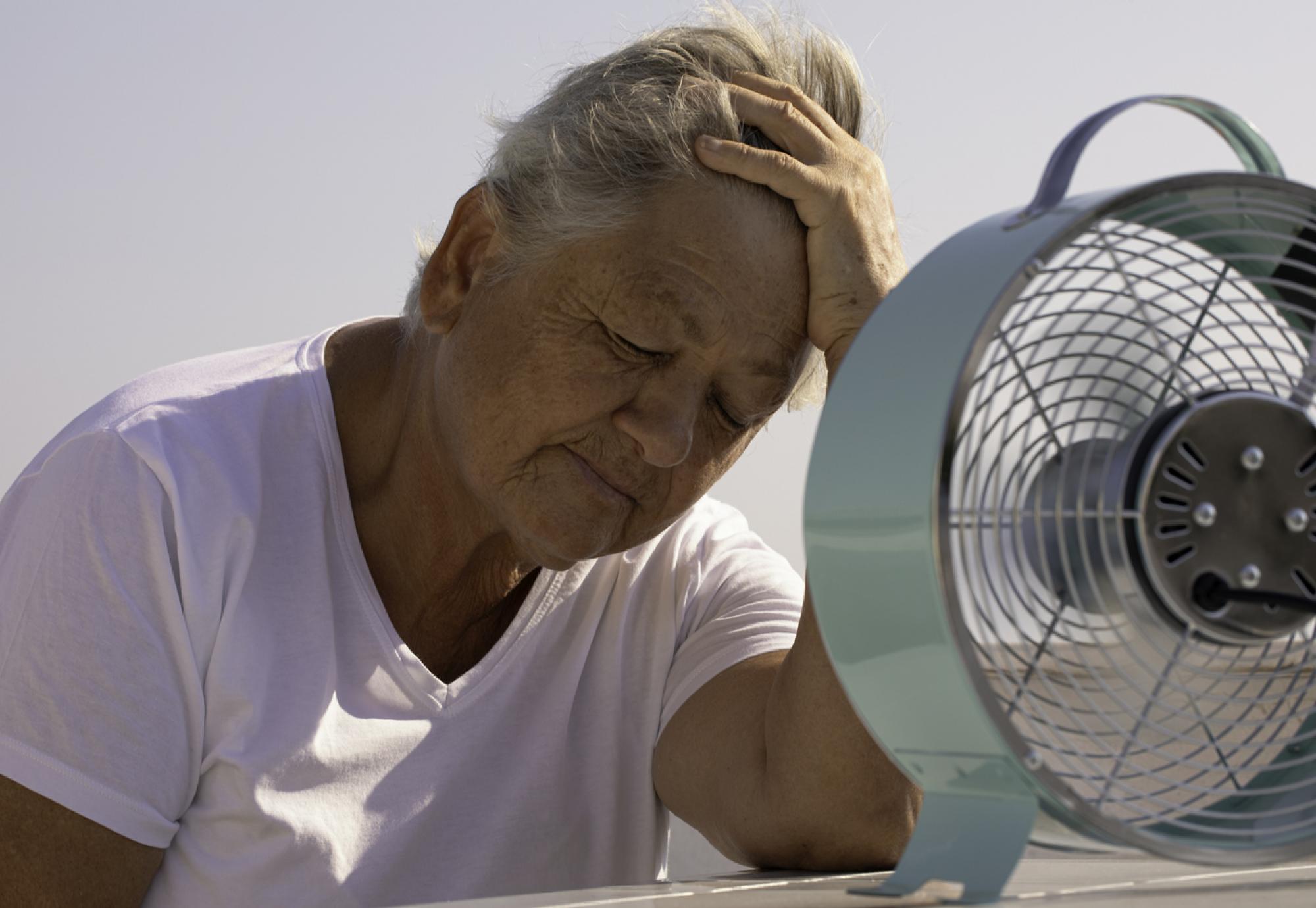
As relentless heatwaves sweep across continents, wreaking havoc on populations and ecosystems alike, a grim pattern emerges that demands urgent scrutiny. Among the most vulnerable to this climatic fury are elderly women—silent victims whose deaths expose a profound intersection of environmental calamity and systemic neglect. This phenomenon is more than just a tragic byproduct of rising temperatures; it is a clarion call for feminism to reckon with climate accountability in a manner that refuses facile explanations.
The Unequivocal Toll of Heatwaves on Elderly Women
When temperatures surge beyond historical norms, the human body is pushed to its physiological limits. Older adults are often thrown into a perilous imbalance—frailty compounded by diminished thermoregulatory capacity. Yet, elderly women shoulder an outsized burden, their mortality rates accentuated during these torrid episodes. The factors at play extend beyond biology. Socioeconomic disenfranchisement, social isolation, and historically ingrained gender disparities converge to create an environment where survival itself becomes precarious. These fatalities, far from random, illustrate a persistent vulnerability dangerously overlooked in mainstream climate discourse.
Intersecting Vulnerabilities: Gender, Age, and Climate Crisis
Feminism’s interrogation of systemic power structures reveals how intersecting identities shape experiences of marginalization. In the context of heatwaves, age compounds gendered oppression. Elderly women frequently occupy economically precarious positions, often reliant on fixed incomes that inhibit the use of cooling technologies. They live in under-resourced neighborhoods or isolated dwellings where community support is minimal. Cultural norms, too, discourage expressions of distress, leaving many to suffer silently as their bodies succumb. The climate crisis amplifies these intersecting vulnerabilities, transforming heatwaves from mere meteorological events into crises of social justice.
Environmental Neglect as a Gendered Phenomenon
Environmental degradation is not gender-neutral. The marginalization of women—particularly those in later stages of life—is entwined with the systemic undervaluing of both female labor and their experiential knowledge. Urban planning and disaster preparedness often omit gender-specific data, rendering female elderly populations invisible in resilience strategies. This void in inclusivity reflects a deeper malaise: the patriarchal structures that inform environmental policy and resource allocation consistently sideline those deemed ‘less productive’ or ‘less significant.’ Heatwave mortality among elderly women is an unwelcome spotlight on this ongoing environmental disregard shaped by gendered power dynamics.
The Cultural Fascination with Elderly Women’s Plight in Climate Catastrophes
Why does society fixate, almost morbidly, on the image of elderly women suffering in the heat? This fascination is rife with paradox. On one hand, it embodies empathetic recognition—an intuitive alarm at injustice. On the other hand, it betrays an underlying discomfort with confronting structural failure. Elderly women become spectral embodiments of the climate crisis, their individual tragedies aggregated into cautionary tales. This duality points to society’s uneasy relationship with vulnerability: revering it symbolically, yet neglecting to dismantle the frameworks that produce it. In this sense, the fascination is less about the women themselves and more about what their suffering exposes—our collective accountability, or lack thereof.
Policy Failures and the Feminist Demand for Climate Justice
Despite mounting evidence and mounting casualties, policy responses remain staggeringly inadequate. Heatwave action plans often default to generic advisories, failing to account for the nuanced needs of elderly women. Cooling centers, subsidies for energy costs, and targeted community outreach lag behind climate projections. Feminism insists that climate justice cannot be divorced from gender justice. It demands policies that are intersectional, responsive, and reparative. This means incorporating gendered data in climate modeling, amplifying the voices of elderly women in decision-making, and dismantling the socio-economic barriers that magnify vulnerability. In this framework, saving lives during heatwaves becomes emblematic of a broader commitment to rebuilding equitable systems.
Redefining Climate Accountability Through a Feminist Lens
True climate accountability requires confronting uncomfortable truths about historical exploitation, both of the environment and of marginalized populations. Viewing heatwave fatalities among elderly women through a feminist prism disrupts conventional narratives of climate victimhood as an indiscriminate tragedy. Instead, it foregrounds the deliberate neglect and structural inequities that render some bodies more susceptible than others. Feminism compels an embracing of responsibility—recognizing that systemic oppression fuels environmental crisis and vice versa. Redefining accountability means reorienting climate action to prioritize those at the nexus of vulnerabilities, with elderly women as a crucial barometer of social and ecological resilience.
Community Resilience and Empowerment as Radical Climate Responses
Beyond policy prescriptions, community-led initiatives offer a radical reimagining of climate resilience. Empowering elderly women as leaders in adaptation strategies nurtures agency where once there was only passivity. Intergenerational solidarity, intersectional advocacy, and the amplification of lived experiences can transform vulnerability into strength. These efforts challenge the pervasive narratives that frame elderly women solely as victims needing rescue. Instead, they center them as key actors in fostering adaptive capacities within their communities, advancing climate justice in praxis rather than rhetoric.
Conclusion: An Urgent Call from Scorching Shadows
The heatwave that has claimed the lives of thousands of elderly women does more than amplify temperature records; it sketches a portrait of societal failure. It forces a reckoning with the ways gender and age are woven into the fabric of climate vulnerability. Feminism’s demand for climate accountability insists on dismantling the patriarchal and ageist structures that consign these women to the margins of protection and policy. It challenges us to reimagine resilience as not simply surviving environmental extremes, but actively resisting the injustices that make such survival uneven. The flames that consume elderly women in silence are burning warnings—ignored at our peril.