There is an undeniable magnetism in observing how feminism, ecology, and the cyclical rhythms of the natural world entwine, particularly when viewed through the prism of permaculture. Among the myriad intersections, the dialogue surrounding menstruation—a subject often relegated to hushed tones—surfaces not only as a biological reality but as a potent symbol of regeneration, resistance, and reverence for the earth itself. This fascination, persistent yet provocative, whispers deeper truths about our collective yearning to harmonize feminist ideals with ecological consciousness, uncovering the transformative power embedded in the very cycles that govern life.
The Embodiment of Cycles: Menstruation as a Metaphor in Eco-Feminism
To consider menstruation within the framework of eco-feminism is to acknowledge the fundamental parallel between the feminine body and the cyclical nature of ecosystems. Both operate within intricate, self-regulating systems that hinge on balance, renewal, and decay. Menstruation is not simply a biological process but an emblematic gestation of the earth’s pulse—reminding us that destruction and creation are inseparable dancers entwined in endless dialogue.
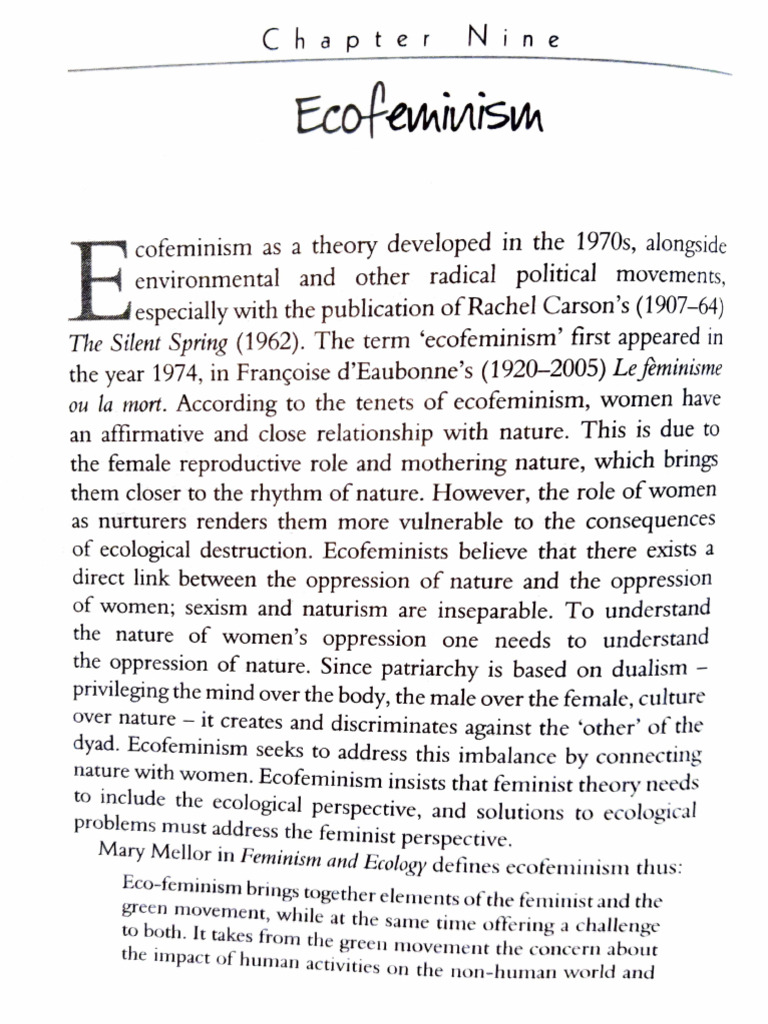
Eco-feminism, as a philosophy, challenges the patriarchal repudiation of both women’s bodies and the environment. It unmasks the socio-cultural mechanisms that have historically marginalized menstruation, often labeling it as impure or inconvenient. By reclaiming the period as a powerful act of natural renewal, eco-feminism prompts a radical reevaluation of how society perceives cycles—whether lunar, botanical, or corporeal.
Permaculture: Reimagining Sustainability through Feminine Wisdom
At its core, permaculture is a holistic design system that draws inspiration from the patterns and relationships found in natural ecosystems. It propels a vision not of conquest but of coexistence, mirroring feminist critiques of dominance and control. The integration of menstrual intelligence into permaculture design offers a unique vantage point—it invites a synergy between temporal biological rhythms and the perennial flow of the earth’s energies.
This subversion of conventional sustainability narratives elucidates a deeper symbiosis: just as the soil enables seeds to flourish through cycles of death and rebirth, the feminine cycle enacts an inner fertility that mirrors this perpetual regeneration. Such recognition fosters a profound respect for timing, intuition, and responsiveness—qualities often devalued by mechanistic approaches to agriculture and economics alike.
The Taboo and the Transformative: Breaking Silence Around Menstruation
Silence has long been the handmaiden of stigma when it comes to menstruation. This collective suppression reveals broader societal anxieties around female autonomy and the uncontrollable forces of nature. Eco-feminism confronts this taboo head-on, asserting that embracing menstruation is not merely a matter of personal acceptance but an act of political and ecological insurgency.
By weaving menstruation openly into conversations about land stewardship and community resilience, eco-feminists reclaim a sacred narrative that revalidates women’s experiences as integral to environmental futures. This destigmatization does more than normalize; it breathes radical vitality into grassroots movements that tether ecological justice to gender liberation, provokes thought about the psycho-spiritual dimensions of the feminine, and fortifies solidarity across diverse identities.
The Power of the Period in Ecological Design and Practice
In permaculture practice, timing is everything. The power of the period—marked by introspective energy and regeneration—can be harnessed to influence design and labor cycles. Women’s embodied knowledge offers invaluable insights about working with natural flows rather than against them, whether through seasonal planting aligned with lunar cycles or rest periods echoing the menstruation phase.
This perspective revitalizes traditional agricultural wisdom, often sidelined by industrialized farming, suggesting instead a regenerative model that values observation, patience, and resilience. When menstruation is reframed not as a limitation but as a guidepost, it catalyzes an ecological ethic that privileges sustainability over speed, nurture over exploitation.
Intersectionality: Feminism, Ecology, and Social Justice
Eco-feminism demands an intersectional lens, recognizing that the oppression of women and the degradation of the environment are intertwined with broader structures of inequality—colonialism, capitalism, racial injustice. The discourse surrounding menstruation must therefore be contextualized within these overlapping systems.
This means acknowledging disparities in menstrual health resources, access to sustainable products, and environmental degradation disproportionately affecting marginalized communities. True empowerment arises not just from celebrating the period’s power but from ensuring that all voices—across class, race, geography—participate in shaping ecologically and socially just futures.
The Spiritual Resonance of Menstrual Cycles in Eco-Feminist Thought
Beyond biology and politics, the period is suffused with spiritual symbolism that resonates profoundly within many indigenous and earth-based traditions. It embodies the sacred circuits of life, death, and rebirth, echoing the perennial fertility of the planet itself. Eco-feminism taps into these archetypal motifs to challenge reductionist, mechanistic views of nature and femininity.
This spiritual dimension offers a counter-narrative that nurtures reverence for the corporeal as a site of knowledge and power. It insists on honoring the mystique and majesty of natural processes—reshaping cultural attitudes from disempowerment to awe, from marginalization to celebration.
Challenges and Future Directions in Harnessing Menstrual Power for Permaculture
While promising, the integration of menstrual awareness into permaculture is not without challenges. Persistent taboos, lack of education, and entrenched patriarchal norms inhibit open dialogue and practical application. Additionally, there is a risk of romanticizing or essentializing women’s experiences, which can alienate those with non-cisgender identities or irregular cycles.
Future pathways require nuanced conversations that embrace diversity and inclusivity, foster educational initiatives that bridge menstrual health with ecological literacy, and develop accessible, culturally sensitive tools that empower individuals to engage fully with their embodied cycles in environmental stewardship.
Conclusion: Embracing the Rhythms of Resistance and Renewal
The fascination with the power of the period in the context of eco-feminism and permaculture is far from superficial. It reveals a yearning to dismantle oppressive binaries—nature versus culture, feminine versus masculine, body versus mind—and to reconstruct a worldview rooted in cyclical harmony and mutual respect. The menstrual cycle, once silenced, emerges as a potent icon of resilience, wisdom, and ecological communion—inviting humanity to move beyond domination toward regeneration.
In this crucible of feminism, ecology, and permaculture lies the possibility of revolution: a reclamation of power that is as ancient as the earth and as intimate as the blood that courses through us all.