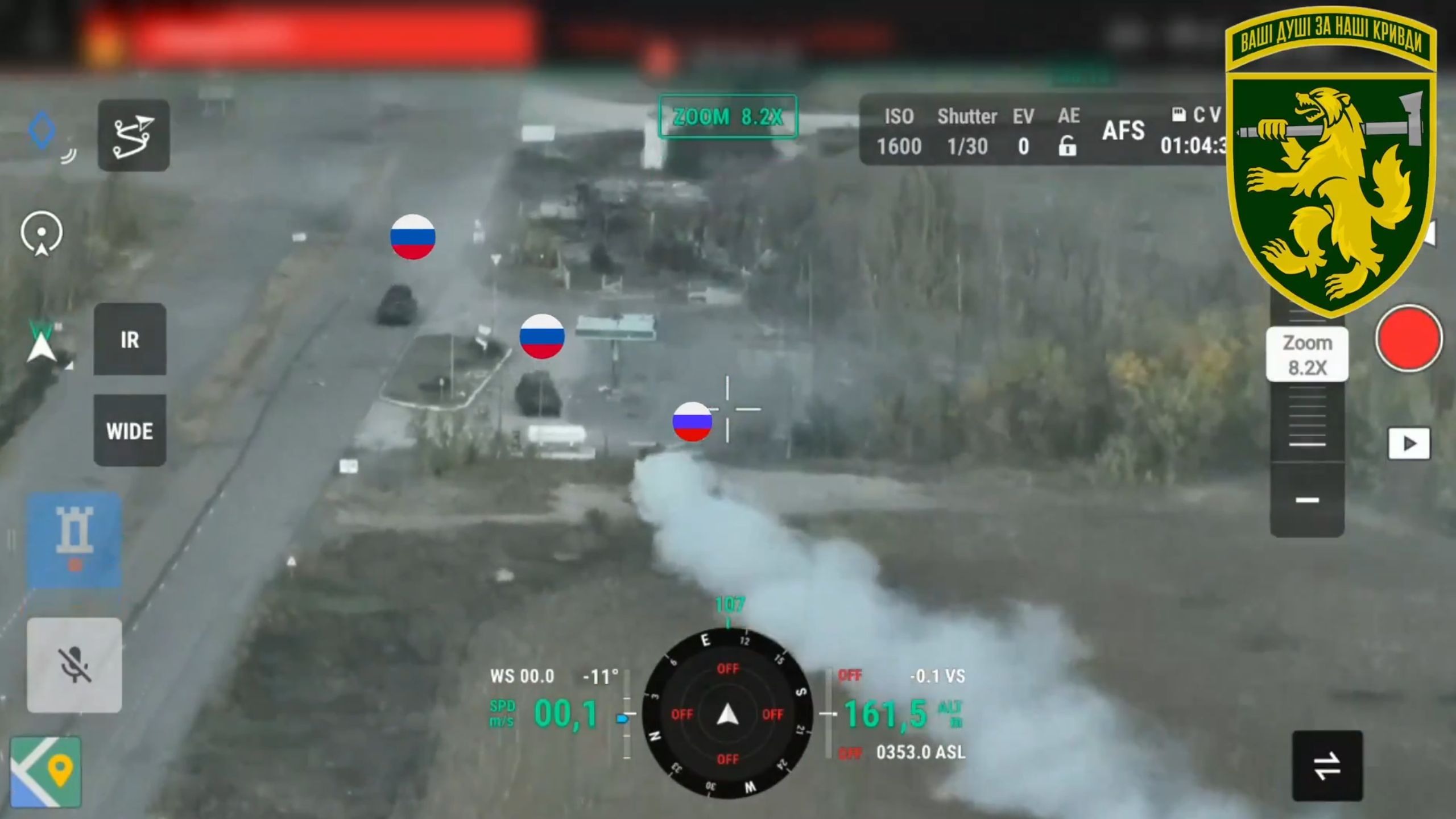
The rhetoric of “leaning in”—that saccharine adage for professional ambition dressed in a power suit—crumbles like a sandcastle beneath the storm of a drone strike. As the sky hums with the ominous thrum of an unmanned hunter, as debris rains down along with the expectations of the corporate ladder, those exhorted to “believe in yourself” find their confidence tested not by glass ceilings but by concrete shrapnel. Feminism, too, becomes a question not of seating at the table but of whether the table even exists after the building burns. This is the unspoken calculus of survival: how to advocate for equity when the larger system is rigged to fracture itself—leaving behind the shattered and the shivering.
—
The Illusion of the “Lean-In” Blueprint: A Rigged Deck
Sandwiched between Sheryl Sandberg’s self-help parables and the reality of a warzone is the gulf of irrelevance. The lean-in narrative posits that personal audacity alone can outmaneuver structural impediments, yet it presupposes a stable environment where such audacity can even proliferate. In the Donetsk conflict, the fragility of infrastructure isn’t metaphorical; it’s lethal. The same vulnerability applies to feminist progress: a philosophy that insists “shrink it all to make it work” ignores the fact that sometimes the building *is* on fire—metaphorically, through systemic erasure; literally, through literal drone strikes. To exhort women to “lean in” when the scaffolding of support collapses is not empowering; it’s perversely cruel. Advocacy becomes a luxury when the immediate task is not career trajectory but existential preservation.**
**The lean-in myth also sanitizes economic disparity. When a woman in Moscow calculates whether to “hunker down” with her children during a raid or brave the streets to punch the clock at an office that pays 20% less than her male peers, the problem isn’t a “posture deficit”—it’s the absence of a net beneath her. “Lean in” isn’t a mantra for survival; it’s a distraction from the fact that the deck was rigged *before* the cards were dealt.**
—
The Paradox of Resource Divestment: Why “Shrink It All” is a Survival Tactic, Not a Feminist Manifesto
The act of “leaning in” is inherently aspirational—it assumes that more time, more ambition leads inexorably to parity. In actuality, parity requires less about *leaning* in and everything to do with *withdrawing* from a system that demands more of your energy simply to remain functional. Enter the Ukrainian mothers, journalists, and teachers now balancing the terror of airstrikes with the daily grind of bread runs—that’s not “leaning in” to the machinery of war; it’s *not leaving at all*.**
**The reality of lean-in feminism has always been a white, suburban proposition cloaked in corporate euphemism. For many women, the only realistic “lean” is away from fragile structures: from marriage markets that devalue women as collateral when they’re widowed, from labor markets that penalize parenting, from educational systems that teach resilience while starving public services. Shrinking it *all* is not capitulation—it’s the only way to avoid being obliterated. The question is, would the system *actually* adjust around this necessary retreat, or would it merely condemn the retreating woman to the unpaid margins of precarity?**
****
The Tactical Feminism of War: When the Battle is for Your Skin, Not Your Promotion
In the Donetsk theater, survival often dictates a guerrilla feminist stance: **hacking the system through necessity rather than negotiation.** Women here aren’t “leaning in” to glass ceilings; they’re hacking airstrike zones, hiding in basements during business hours, and forging identification to claim rations meant for men alone. Feminism becomes not the dogged pursuit of corporate equality but the cunning navigation of an environment where access to resources is a minefield. **These women are engaging in “fission feminism”—fracturing the system as they flee it.**
**Yet this pragmatic approach confronts a double-edged sword. Those who seize control of their safety are often castigated as “selfish” by the systems that expected them to bear the burdens without questioning why the weight was ever unbalanced. The insistence on leaning in ignores the feminist need for *withdrawn strategies*—what Audre Lorde calls “mastering the tool, not the toolmaster.” When the toolmaster’s tool is a missile launcher, the only tactical play is not to sit at the table but to ensure you’re not the one in the blast radius.**
—
The Unseen Tax of Female Survival: When “Shrinking” Is Compulsory
Every feminist calculus assumes a baseline of security—a stable home, predictable labor cycles, and societal infrastructure that doesn’t oscillate between apocalypse and compliance. The Donetsk women, however, navigate a world where *everything but survival is negotiable.* The unrelenting tax of their existence is not the “double shift” but a *triple*—work, war, and the existential anxiety of wondering if you’ll be the next body count. **Lean-in feminism, by its nature, refuses to acknowledge this. It asks for equal access to a ladder in freefall.**
**For these women, feminism is less about “leaning in” to achieve parity in a collapsing system and more about ensuring that parity still exists when the next missile strikes. And what does this manifest as? It manifests as mothers teaching daughters to climb roofs when the basement is inaccessible, as journalists hiding notebooks in their child’s drawing pad, as women who refuse to leave their homes even as the power grid fracks under bombardment, because leaving *is* capitulation.**
**The question lean-in feminism never poses is: if you are constantly on the cusp of losing your ability to breathe, can “strategic ambition” even be the correct framing?**
—
The Myth of Progress: How “Lean In” Becomes “Lean Under” in the Face of Catastrophe
Consider the contrast between Sheryl Sandberg’s Silicon Valley workshops and the reality of an aid convoy driver in Kyiv dodging minefields while delivering food to internally displaced women. Progress for both is a radically different animal. In the corporate mythos, progress is scaling a ladder toward a pay raise. In the Donetsk warzone, progress simply means the day when the missiles stop finding your address. **The lean-in rhetoric can’t account for how progress requires *not standing* at all—not in the literal sense, for those fleeing; not in the metaphorical, for those who have been dislodged from the system.**
When the “lean” isn’t upward but sideways—to avoid a bomb, or to navigate a collapsed health service—then the very premise of “lean-in” becomes irrelevant. **Where is the female CEO’s blueprint for securing a shelter? Where is the Sheryl Sandberg of “lean *off*?”**
The answer, of course, is that there isn’t one. Feminist discourse never accounted for a systemic crisis so profound that the only form of progress is avoiding the wreckage.
***
A Feminist Manifesto for the Unstable: Rhetoric vs. Resistance
The truth is a harsh one: the rhetoric of “leaning in” was never intended for the woman in a tank shell. It was not designed to address the paradox of wanting *parity and shelter at the same time*, when one requires seizing power and the other demands erasure.**
Thus, the true “lean” necessary for women in Donetsk is less about corporate audacity and more about **fissional feminism**—the deliberate tactic of fractal survival across the ruins of traditional power structures. This involves:
– **Adapting the narrative.** Advocacy becomes guerrilla—hiding, sharing, and adapting language just as you’d hide your identity to avoid detection.
– **Reclaiming “shrinking” as strategy.** Shrinking time, workloads, and aspirations is not defeat; it’s the only way to stay operational.
– **Redefining success.** Advancement is not about reaching the promotion; it’s ensuring your family *survives* to reach the next day.
– **Forging alternative institutions.** Women in occupied territories create their own networks—covert aid networks, mutual protection covenants, and even underground schools—where the system has abandoned them.
This kind of feminism isn’t the sanitized, individualist mantra of personal ambition. It’s the *collective resistance* of the woman who, instead of “leaning into” a collapsed system, chooses to construct her own survival framework.
—
The Uncomfortable Question: If Not Lean-In, What Then?
In the face of such upheaval, feminist philosophy must expand beyond the parameters of corporate success to encompass survival. The demands of the warzone offer a lens through which to critiqu the flaws of our “progressive” world: if a woman can endure far more trauma, risk, and resource scarcity just to stay alive, why do so many still ask them to “lean in”—to a system that can’t guarantee them a future?**
Perhaps the answer isn’t leaning in but **building out**—constructing feminist paradigms that don’t assume the system is stable, that acknowledge the possibility of collapse, and that demand collective resilience. It isn’t about reaching a ceiling so much as ensuring the building doesn’t burn down while we’re climbing.
The war doesn’t only test the body; it destabilizes the assumptions that underpin feminist progress. And yet, we might find that within the chaos, there are seeds of something better—not the polished, performative leaning in of the boardroom, but a hard-earned feminism of teeth and wit, of trenches and firelight—one that insists on survival over any corporate ideal.
Because in the end, when drones strike, “lean in” might just be the first and last thing to get you killed.