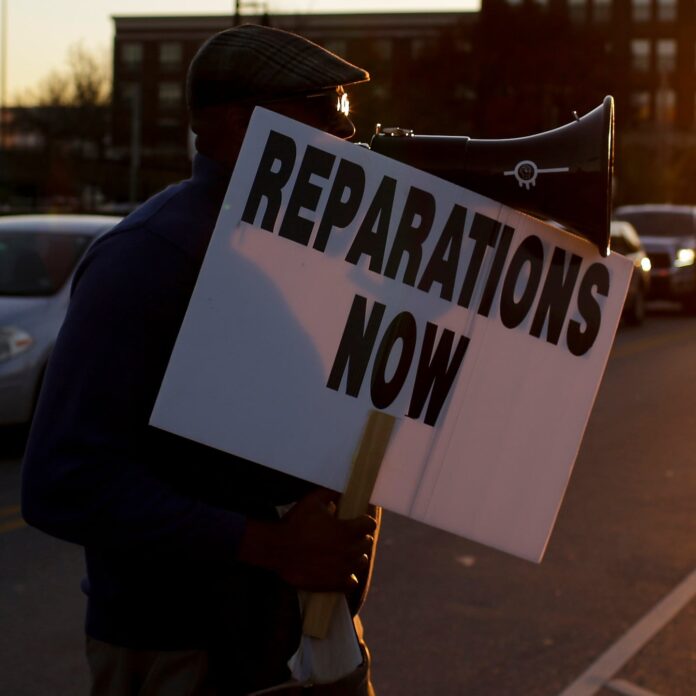
In contemporary discourse, reparations often evoke a narrow image: a transactional payment, a monetary check issued to settle historical grievances. This reductive portrayal obscures the profound recalibration that feminism demands when engaging with the legacy of racial and gendered injustice. Reparations cannot be distilled into mere fiscal restitution; they are a clarion call to reckon with entrenched systems of oppression. They compel us to confront the interwoven matrix of race, gender, and class that perpetuates inequality. This reckoning is not a simple gesture of charity—it is a transformative imperative that unsettles complacency and demands accountability.
The Allure of Reparations: Beyond the Monetary Myth
The public imagination often fixates on reparations as a quick fix—a one-time check that addresses centuries of exploitation. This fascination with monetary recompense is symptomatic of a deeper discomfort. Money, after all, is tangible and quantifiable. It offers the illusion of closure, a neat ledger drawn between perpetrator and victim. But reparations are far more unruly. They resist being boxed into figures and bank deposits. The obsession with checks obfuscates the more gnawing, intangible elements of historical trauma and continued disenfranchisement. Reparations are about restoring dignity, reconfiguring power structures, and unearthing suppressed histories. The fascination, then, signals a societal yearning for concrete solutions, even as it evades the more demanding work of structural change.
Feminism’s Unique Lens on Reparations
Feminism enriches the conversation about reparations by exposing the intersectionality of oppression. It insists that gender cannot be disentangled from race and economic status. The legacy of slavery, colonization, and systemic racism is also a legacy of gendered violence and subjugation. Black women, Indigenous women, and women of color have endured compounded disparities that monetary payouts alone cannot rectify. Feminism demands that reparations acknowledge these nuances, addressing the multifaceted wounds inflicted on bodies, identities, and communities. It urges us to see reparations not simply as compensation but as restorative justice that champions healing and empowerment across gender lines.
Reparations as Reckoning: Dismantling Structural Injustice
To treat reparations as merely financial transactions is to ignore their revolutionary potential as tools of reckoning. Reckoning involves a profound unwillingness to settle for surface-level acknowledgment. It means dismantling entrenched institutions that perpetuate inequality—legal systems, educational frameworks, economic policies—that maintain historic privileges. A feminist approach to reparations calls for envisioning justice as transformative, not transactional. This involves confronting uncomfortable truths about societal complicity and challenging the complacency that sustains systemic harm. Reparations demand a breaking open, an unsettling of national narratives that sanitize or erase oppressive histories.
The Emotional and Psychological Dimensions of Reparations
Reparations traverse the emotional and psychological landscapes of collective memory. The reckoning they provoke is not confined to law or economics; it is deeply affective. Survivors and descendants of oppression carry burdens of trauma, grief, and alienation that monetary payments only superficially touch. Feminism underscores the necessity of repair that attends to emotional healing and psychological restitution. This includes community rebuilding, cultural revitalization, and spaces where voices historically silenced can be amplified. Reparations as reckoning invite society to engage in empathy and mutual recognition, fostering solidarity rooted in authentic understanding rather than paternalism.
Resistance and the Politics of Visibility
Calls for reparations are often met with vehement resistance framed around notions of division or impracticality. Yet this resistance itself reveals the political stakes embedded in recognizing historical truths. Feminism exposes how the politics of visibility—who is seen, who remains invisible—govern the reparative process. The reckoning that reparations demand poses existential threats to dominant narratives that justify inequality. It unsettles the myth of meritocracy and forces a confrontation with inherited privilege, particularly that which accrues along racial and gender lines. The struggle for reparations is thus also a struggle for recognition, a refusal to allow marginalized histories to be erased or trivialized.
Reparations as an Invitation to Collective Accountability
At its core, reparations are an invitation to collective accountability—a societal embrace of responsibility that transcends individual guilt or innocence. Feminism’s insistence on community and relationality frames reparations as a communal undertaking. This accountability compels institutions, governments, and citizens alike to engage in sustained commitment toward equity and justice. It is an unending process, a dialogue that demands vigilance and humility. Reparations mark neither an end nor a payment in full; they are the beginnings of a long, arduous path toward reparative justice that democratizes hope and acknowledges shared futures.
Imagining Reparations Beyond Compensation
Envisioning reparations solely as economic redress confines their radical potential. Feminism invites us to imagine reparations as cultural and political restoration—reshaping narratives, restoring autonomy, and revitalizing communities damaged by cycles of violence and erasure. This expansive vision includes reparative education that centers marginalized histories, policy reforms that address systemic inequalities, and the reclamation of cultural spaces as arenas of empowerment. Such reparations insist on a future that refuses to replicate past hierarchies, instead cultivating ecosystems of justice that are inclusive, dynamic, and equitable.
Conclusion: Reckoning, Not Recompense
Reparations are not simply a check to be cashed; they are a reckoning to be faced. Feminism’s critical interventions illuminate the complexity behind claims for reparative justice, emphasizing intersectionality, emotional restoration, and structural upheaval. This reckoning calls for a radical reimagining of societal contracts, urging us to confront the legacies of oppression in their fullness. The fascination with reparations reflects a profound unease with inequality—but it also holds the promise of transformative justice if we move beyond transactional thinking. Reparations, understood as reckoning, demand courage, confrontation, and a collective willingness to rewrite the stories we tell ourselves about history, justice, and belonging.