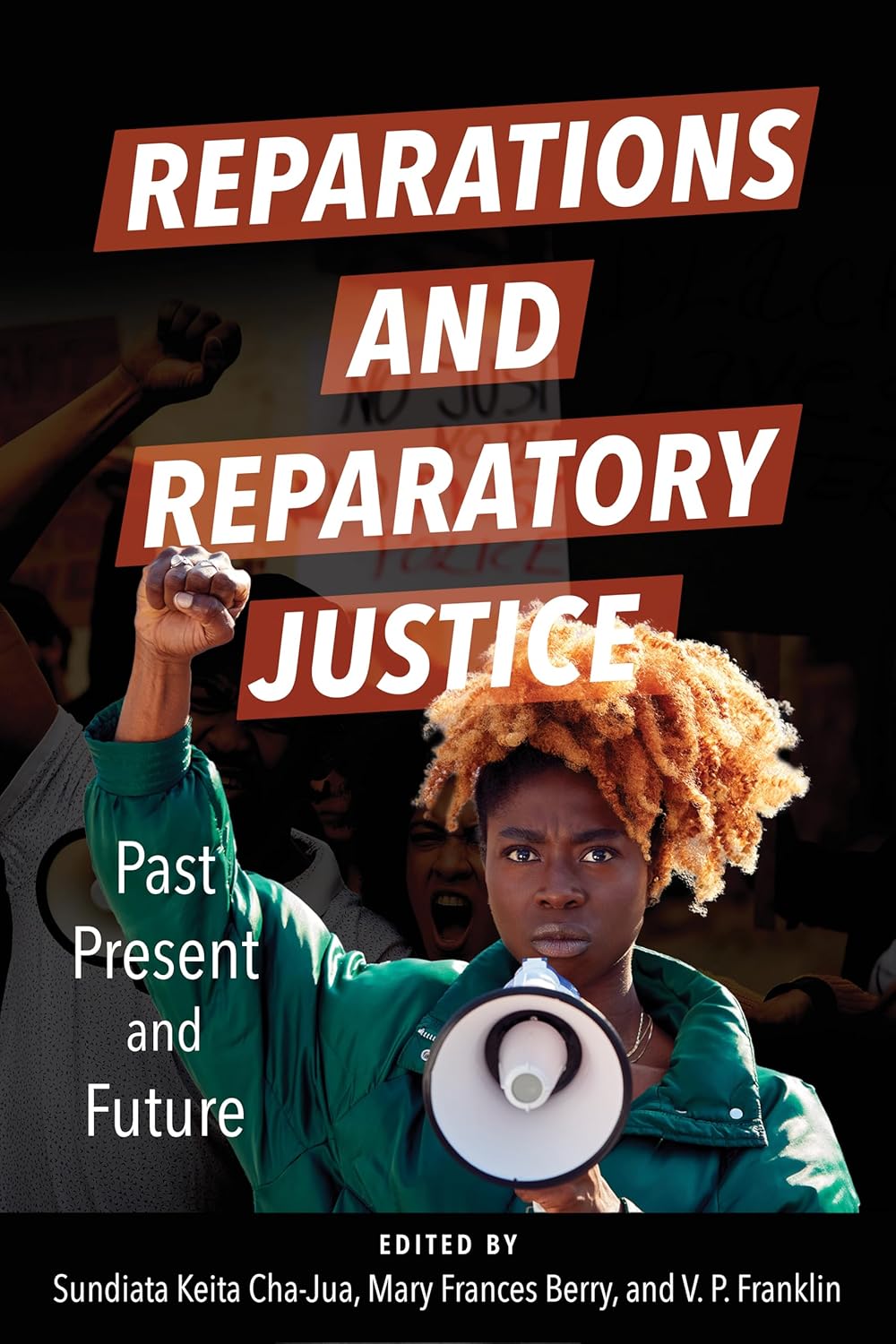
In the provocative discourse of contemporary justice, few concepts ignite as much fervent debate as reparations. Layered upon that, the interplay between feminism and reparatory justice creates an increasingly complex tapestry—one threaded with moral imperatives, theological reflections, and socio-political reckonings. The faith-based argument for reparations, rooted in feminist ethos, demands attention not merely as a political stance but as a profound ethical challenge. This exploration ventures beyond simplistic narratives to probe the nuanced intersections where gender, spirituality, and justice converge in the call for acknowledging historical wrongs and charting pathways toward holistic restoration.
The Genesis of Reparatory Justice Through a Feminist Lens
It is essential to differentiate reparatory justice from generic compensation or legal restitution. Reparatory justice embodies a comprehensive framework that advocates for acknowledgment, accountability, and redress that transcends monetary exchange. Feminism injects this framework with a vital perspective—one that interrogates patriarchal structures as the underpinning matrix of systemic exploitation and marginalization. Feminist thought challenges the reductive paradigms which often overlook how colonization, slavery, and dispossession disproportionately victimized women, particularly women of color.
Through this prism, reparations emerge not only as financial recompense but as a radical reclamation of dignity and agency within historically silenced female narratives. The feminist perspective pushes reparatory justice to embrace intersectionality, ensuring that racialized and gendered violences are addressed concurrently, rather than in isolation. It demands a reparative approach that encompasses emotional, cultural, and spiritual restoration alongside economic restitution.
Faith as the Ethical Bedrock for Reparations
Religious traditions have long wrestled with themes of guilt, redemption, and reconciliation. Christianity, Islam, Judaism, and other faiths offer rich theological discourses on justice that can invigorate the reparations debate with transcendental gravitas. The faith-based argument hinges on the principle that systemic injustice violates sacred moral law—thus, rectifying such wrongdoing is not merely a societal obligation but a spiritual mandate.
In this narrative, the feminist faith argument reframes reparations as an ethical imperative deeply rooted in compassion, humility, and communal restoration. The biblical notion of “tikkun olam” (repairing the world), or the Islamic emphasis on social justice through zakat and community solidarity, underscore that reparatory acts are forms of sacramental healing. They restore fractured relationships and repair the ruptures inflicted by iniquitous power dynamics.
Moreover, these religious values elevate the urgency of reparations beyond secular politics to the spiritual realm where justice is an existential necessity. Healing, forgiveness, and restitution become intertwined processes that enrich the collective soul, especially for women who have been doubly disenfranchised by gender and historical violence.
Gendered Dimensions of Historical Injustices
Any authentic conversation about reparations must confront the gendered modalities through which historical injustices were perpetrated. The commodification of women’s bodies via slavery, coerced labor, and systemic denial of reproductive rights are facets often omitted from dominant reparation narratives. Feminist reparatory justice insists on illuminating these blind spots.
For centuries, women endured multi-layered oppression—not only dispossessed of lands or economic treasures but also subjected to sexual violence and forced cultural erasure. The faith-based feminist argument contends that restoration must therefore integrate protections of bodily autonomy and recognition of trauma’s enduring legacy. Reparations, in this vision, include investments in healthcare, education, and community infrastructures that uplift women’s lived experiences and empower future generations.
Reparations as a Vehicle for Transformative Feminist Theology
Feminist theologians have significantly contributed to this discourse by reinterpreting sacred texts to prioritize the experiences of marginalized women. Their work reframes reparatory justice as an act of divine justice—transcending punitive frameworks and emphasizing restorative justice that heals the soul and the social body alike.
This transformative theology calls into question patriarchal interpretations of scripture that historically justified oppression. Instead, it champions prophetic voices that demand liberation and affirmation of the oppressed, advocating reparations as a sacred duty to right historical wrongs and affirm inherent human dignity. It also fosters dialogue on how reparations can catalyze communal healing and spiritual renewal beyond mere financial redress.
Practical Dimensions: Implementing Feminist Faith-Informed Reparations
Moving from theory to practice reveals a labyrinth of challenges and opportunities. How might governments, religious institutions, and activist coalitions collaborate to manifest reparations that honor feminist and faith-based principles? The answer demands innovative and multi-pronged approaches.
Firstly, institutional acknowledgment must precede action. Public confession of historical complicity, often driven by faith communities, provides the moral foundation for reparative measures. This confession opens pathways for dialogic reconciliation and the co-creation of programs that address educational disparities, economic inequities, and health injustices.
Secondly, reparative initiatives should be community-centered, designed with inclusive feminist participation to ensure the specific needs of women are prioritized. Examples include support for survivors of violence, targeted scholarships, and cultural revitalization projects that restore heritage erased by historical oppressions.
Lastly, faith-based organizations can serve as crucial mediators and advocates, leveraging moral influence and networks to ensure reparations transcend symbolic gestures and generate tangible, life-affirming outcomes.
The Contours of Resistance and Contention
No discourse on reparations is complete without addressing the robust opposition it engenders, often more ferocious when intersected with feminist and faith-based dimensions. Skeptics dismiss reparations as impractical or divisive, while detractors accuse the feminist faith argument of conflating religion with political activism.
Yet, the resistance often merely exposes society’s discomfort with confronting ingrained injustices and systemic inequities. The feminist faith-based case for reparations dares to challenge dominant narratives, insisting that acknowledging and rectifying collective past harms is indispensable for genuine societal transformation.
This defiance of the status quo reshapes reparatory justice into a revolutionary act—one that demands the dismantling of entrenched systems of oppression and moral complacency alike. It invites transformative dialogue and engagement, catalyzing a reimagined future grounded in equity, healing, and spiritual integrity.
Conclusion: Toward a Reparative Future Infused with Feminist Faith
Reparatory justice, when informed by feminist insights and fortified by faith-based ethics, emerges as a compelling call to action that transcends conventional politics. It is an invitation to confront uncomfortable truths, honor silenced histories, and cultivate restoration that is as spiritual as it is material.
This intersectional approach insists that reparations cannot be confined to financial transactions but must encompass a holistic reclamation of dignity, agency, and communal harmony—especially for women whose stories intertwine with the darkest chapters of injustice. Faith provides the moral courage and framework through which society might embrace this daunting yet indispensable journey, ensuring reparations become a true catalyst for transformative justice and enduring healing.