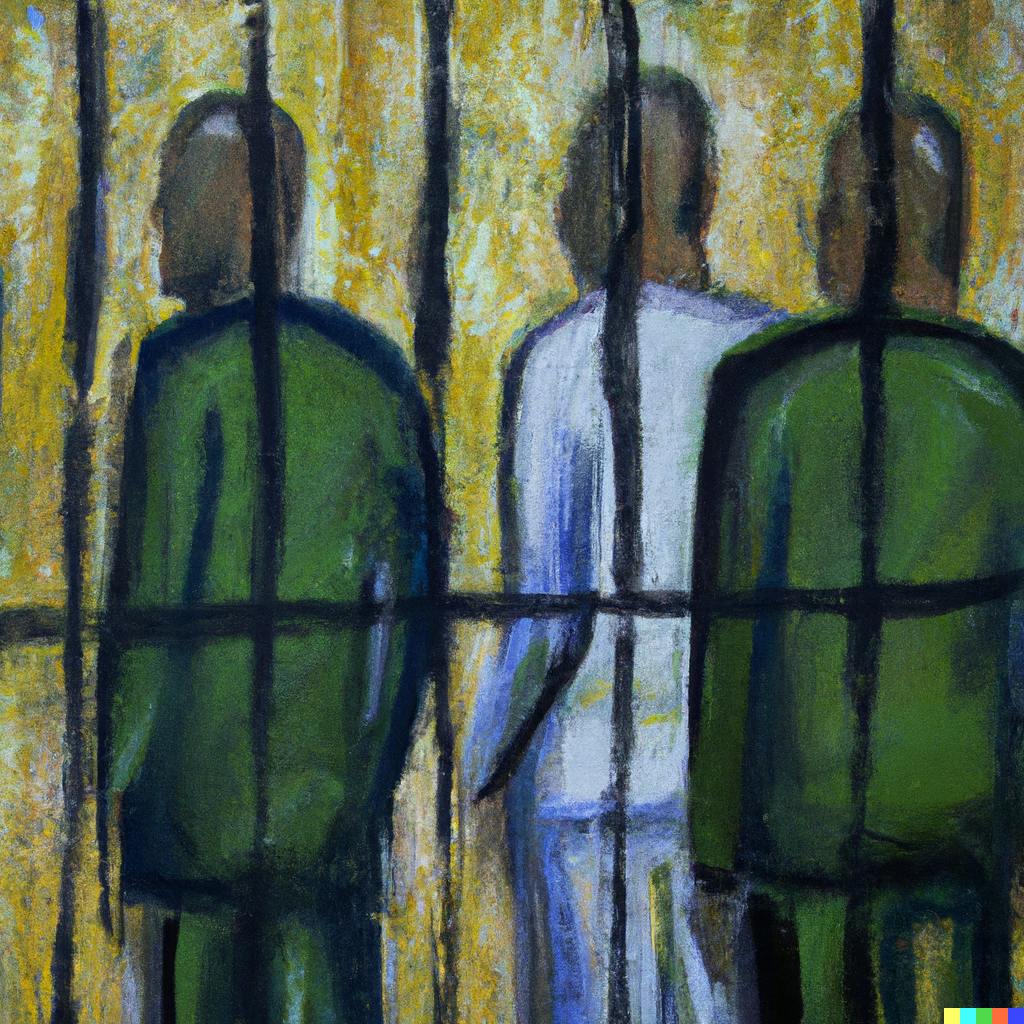
In the labyrinthine shadows of incarceration, where barbed iron and battered walls confine not just bodies but histories, lies a sinister symphony of control—the Prison Industrial Complex. To view it merely as a system of justice is to don blinders to the orchestration of modern slavery, a sprawling apparatus that entangles marginalized communities in its unyielding grasp. Feminism, with its clarion call for equality and reparatory justice, pierces through this veil, unveiling the complex intersections of race, gender, and systemic exploitation. The cage is more than physical; it is structural, economic, and social. It is here that the discourse of reparative feminism becomes not just relevant, but imperative.
The Prison Industrial Complex: A Colossal Machine of Subjugation
Imagine an immense, ravenous engine—greedy for human lives as fuel, spewing disparities and death as exhaust. This is the Prison Industrial Complex: an interlocking nexus of private corporations, government entities, and policy mandates that thrive on the perpetual incarceration of vulnerable populations. It masquerades as an institution of order and rehabilitation but functions primarily as a conduit for profit, control, and racialized containment. The metaphor of modern slavery is not hyperbolic but a piercing truth; millions are conscripted into forced labor under the guise of punishment, perpetuating economic disenfranchisement and social invisibility. Prisons have become factories where freedom is the raw material damned to shrinkage and eventual obliteration.
Feminism and the Intersectional Lens: Unmasking Gendered Oppression Behind Bars
Feminism refuses the tempting simplicity of monolithic narratives. It interrogates how the prison system singularly devastates women, particularly women of color, trans women, and those ensnared by poverty. The incarceration of women exposes the darkest paradoxes: child separation and familial destruction, sexual violence disguised as ‘security protocols,’ and an absence of adequate healthcare or trauma-informed support. Many imprisoned women carry histories swathed in abuse and economic hardship, now finely woven into a tapestry of state-sanctioned punishment that ignores their humanity. The prison’s cold walls echo the voices of these marginalized women, muffled but unyielding in their demand for recognition and justice.
Reparatory Justice: Beyond Retribution Toward Healing and Restoration
Reparatory justice emerges as a radiant antithesis to the punitive paradigms of incarceration. It demands a reckoning—not just with individual offenses but with the systemic roots of harm that proliferate in unequal societies. This form of justice envisions repair for the injured, accountability for perpetrators, and transformation of the communities devastated by mass imprisonment. Reparatory justice rejects the nihilism of punishment as vengeance, opting instead for a tapestry of restoration that includes community investment, trauma repair, and economic restoration. It challenges the ideological foundations of the Prison Industrial Complex by dismantling the myths of inherent criminality and moral failure afflicting the marginalized.
Modern Slavery’s Chains: Labor Exploitation Behind Bars
Inside prisons, the label “inmate labor” thinly veils a continuation of forced servitude. Prisoners often work for pennies a day, producing goods and services that benefit corporations and state institutions while enriching a penal captor class. This exploitation perpetuates an economic cycle reminiscent of antebellum plantations, where human beings are reduced to commodities. The analogy to slavery is apt not merely in the coercion and dehumanization but also in the way it enshrines racial caste. It is a living relic of oppression—cloaked in legality yet stained with centuries-old scars of captivity and dispossession. This system thrives on invisibility and societal indifference, ensuring that the wealth extracted from incarcerated labor continues unseen and uncontested.
The Gendered Carceral Experience: Violence Woven into the Fabric of Imprisonment
Gendered violence inside prisons is an ubiquitous, yet systematically denied, epidemic. The façade of discipline and order masks rampant sexual abuse, psychological torment, and coercive acts perpetrated often by those wielding institutional power. Women prisoners disproportionately face sexual violence, and trans individuals even more so, cast aside by a system that criminalizes their very identities. The prison becomes a paradoxical crucible where bodies are broken, identities erased, and resistance incubated. Feminism’s role here is to unravel how incarceration is not simply a physical sentence but an assault on dignity, autonomy, and survival.
From Carceral Despair to Community Empowerment: The Feminist Vision Forward
The path toward dissolving the prison-industrial behemoth is neither swift nor singular. Feminist reparatory justice envisions a transformation grounded in community healing and the dismantling of oppressive systems. It underscores the vital importance of investing in social infrastructure—education, healthcare, economic opportunity, and restorative practices—that preempt the cycles of trauma and criminalization. It advocates for amplified voices of the formerly incarcerated and their families, feminist leaders who challenge patriarchal and racialized power structures with radical empathy and bold demands for systemic overhaul. This vision reimagines safety not through cages but through care, solidarity, and collective liberation.
Conclusion: The Imprisoned Body as a Radical Site of Feminist Resistance
The Prison Industrial Complex is far more than a penal system; it is a morbid garden where modern slavery grows wild, nourished by racial capitalism and patriarchal neglect. To confront this is to confront the marrow of societal injustice. Feminism—through an uncompromising commitment to reparatory justice—renders visible the incarcerated as vital agents of resistance rather than mere victims. It demands the abolition of systems that commodify suffering and the construction of new paradigms where freedom, dignity, and restoration prevail. The fight transcends prison bars; it is a call to unshackle the very fabric of oppression, weaving in its stead a society where justice is reparative, inclusive, and truly emancipatory.