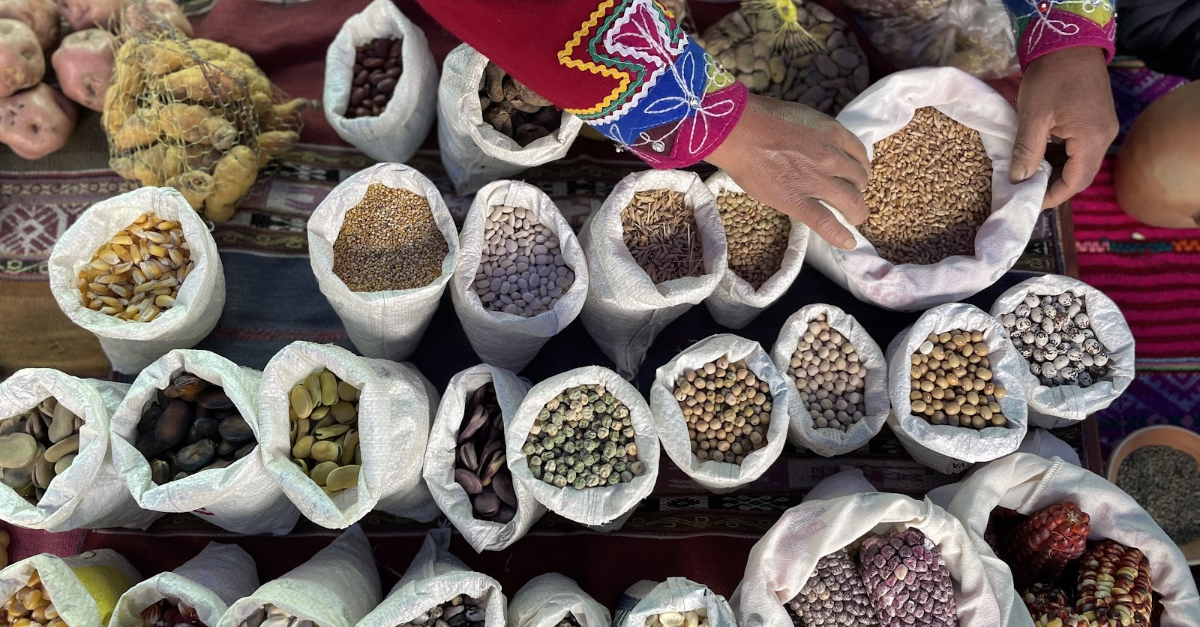
In the tangled web of modern activism, where issues often crisscross and collide, seed saving emerges not merely as agricultural preservation but as a defiant act of indigenous feminism. This is a narrative woven from the roots of ancestral wisdom, resistance against cultural erasure, and radical reclamation of both sovereignty and womanhood. To understand why seed saving blossoms into such a potent feminist statement requires a dive into the heart of indigenous feminist discourse—one where every seed embodies memory, resistance, and regenerative power.
The Seed as a Feminist Symbol: Beyond Agriculture
When most people hear “seed saving,” the instinct is to picture farmers or gardeners safeguarding heirloom varieties. However, this practice, in indigenous contexts, transcends mere botany. The seed morphs into a tangible vessel of history and identity. It is a feminist symbol charged with ancestral knowledge that women protect and cultivate. In indigenous communities, women have historically been the custodians of seeds, the inheritors and transmitters of ecological intelligence and cultural continuity.
Saving seeds is, therefore, an act of profound stewardship. It’s a refusal to allow displacement, colonial agriculture, or monoculture dominance to sever the lineage of ecological and cultural diversity. The connection between womanhood and seed saving becomes clear: both represent cycles of birth, nurture, and renewal. To save a seed is to reclaim one’s power over land, food systems, and cultural heritage—a direct challenge to patriarchal structures that commodify and control these elements.
Seeds as a Manifestation of Indigenous Sovereignty
Control over seeds is inextricable from sovereignty, especially indigenous sovereignty. Seeds are not inert commodities; they embody the resilience of entire ecosystems and the assertion of native peoples’ rights. Indigenous feminism is deeply entwined with the ability to govern the propagation of life in all its forms. Through seed saving, indigenous women assert the self-determination crucial for cultural survival and environmental justice.
In a world where industrial agriculture’s mechanized grip crushes biodiversity, indigenous women’s preservation of traditional seeds is an act of rebellion. It’s a reclaiming of ecological space lost to corporate agribusinesses and a resonant pushback against policies enforcing dependency on non-native, patent-locked seeds. Each saved seed is a statement of autonomy, a radical preservation of freedom against the homogenization of food and culture alike.
Intersectionality in Indigenous Feminist Seed Saving
Seed saving as an indigenous feminist act is not isolated from broader struggles; it thrives at the nexus of race, gender, and ecological justice. Indigenous feminists expose how colonial histories have intersected to dispossess lands, bodies, and knowledge, compounding injustice through erasure and marginalization. Seed saving becomes an embodied response to this multilayered violence.
In practicing seed saving, indigenous women wield intersectionality as a practical tool—blending their identities as caretakers of the earth, defenders of community, and bearers of tradition. This multiplies the impact of their activism by addressing environmental degradation, food insecurity, and gender violence simultaneously. The act of seed saving is thus not singular, but a multifaceted resistance against systemic oppression.
The Spirituality and Ceremony Embedded in Seed Practices
Unlike the sanitized, industrial contexts of seed use in the mainstream, indigenous seed saving is steeped in spirituality and ceremony. This dimension is often overlooked yet vital. The act of saving seeds is imbued with rituals honoring the earth’s cycles, the spirits of plants, and the ancestors who first tended the soil. These ceremonial practices reinforce the sacred responsibility indigenous women feel toward their seeds.
This spiritual relationship cultivates a deep reciprocity with nature—seeds demand not only care but respect, intention, and connection. Indigenous feminism recognizes this dynamic as a profound critique of Western exploitative land use philosophies, which separate people from the ecosystems they inhabit. Through ceremony, indigenous women restore harmony and re-inscribe their cultural sovereignty into the land.
Community and Knowledge Transmission: Seeds as Social Glue
Seed saving is as social as it is ecological. The practice anchors indigenous feminist activism in community-building and knowledge sharing. Seeds are exchanged, stories told, and techniques taught—often matrilineally—establishing networks of trust and solidarity across generations and geographies. These exchanges are lifelines linking dispersed communities under siege from cultural assimilation and environmental crises.
Passing on seeds is inseparable from passing down language, history, and customs. It fortifies collective memory and resilience. Indigenous feminism in seed saving cultivates not only plants but relationships—critical threads weaving a support system that defies isolation and disengagement. This relational activism challenges the atomization often seen in contemporary social movements by rooting power in shared caretaking and interdependence.
Contestation Against Capitalist Exploitation and Biopiracy
Seed saving also stands as a direct act of defiance against the extractive logics of capitalism and biopiracy. Agribusiness giants patent genetically modified seeds, commodify life forms, and impose legal barriers on indigenous communities attempting to protect their seed heritage. Indigenous feminist seed saving confronts this exploitation with a bold, unruly stance.
By refusing to surrender traditional seeds to corporate control, indigenous women are at the forefront of a global struggle over who owns life and knowledge. Their work is not just conservation—it’s confrontation. Seed saving here transforms into an insurgent act that questions property regimes and challenges the predatory grip on biodiversity. It harnesses feminist critique to dismantle systems of control rooted in patriarchy, colonization, and capitalism.
Vision for the Future: Regeneration as Feminist Praxis
At its core, indigenous feminist seed saving projects a radical vision for the future—one rooted in regeneration rather than extraction or exploitation. It’s a blueprint for societal healing that reconnects people to the earth, each other, and their histories. This praxis envisions a world where food sovereignty is a fundamental right and where indigenous women’s leadership is central to movements for justice and sustainability.
Saving seeds in this light is a radical affirmation of life amid rupture. It is a call to reimagine feminism beyond Western paradigms—grounded not in abstraction but in the tangible acts of restoring lands, revitalizing languages, and nurturing communities. Indigenous feminist seed saving propels us toward a future where resilience blooms in the cracks of oppression, and where every seed saved is a seed of liberation.