What if the most significant feminist battle yet to be waged isn’t for equality between men and women but rather for visibility within the very frameworks meant to celebrate freedom and identity? Bisexuality, often shrouded in a strategic fog of invisibility, faces a paradoxical existence in heterosexual relationships—a terrain feminists frequently overlook or misinterpret. Could feminism inadvertently perpetuate this erasure, and if so, what does that mean for the movement’s promise of inclusivity and empowerment?
Unveiling the Veil: The Mirage of Bisexual Invisibility
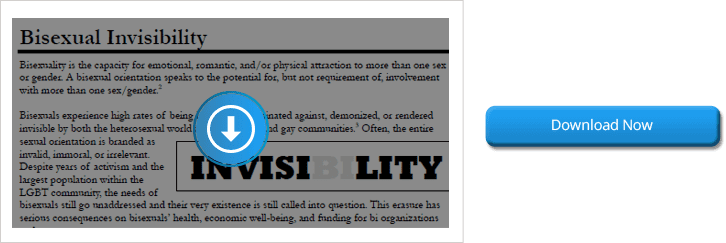
Bisexual invisibility is a subtle, insidious phenomenon that masquerades as silence but speaks volumes through absence. Within heteronormative frameworks, bisexual individuals in opposite-sex relationships are often misclassified or dismissed as simply heterosexual. This erasure is not just a social lapse but a cultural oversight with profound implications. It denies bisexual individuals the acknowledgment of their authentic sexual orientation, forcing a complicated dance of self-repression and societal conformity. Feminism, in its zeal to dismantle gender binaries, sometimes neglects these nuances, inadvertently relegating bisexual voices to the sidelines, overshadowed by a binary focus on male versus female or straight versus gay.
The Hetero Relationship: A Bi-Problematic Playground
In heterosexual relationships, bisexual individuals occupy a uniquely precarious position. They are, paradoxically, hyper-visible and invisible, simultaneously subjected to stereotypes and dismissed identities. The heteronormative script often posits bisexuality as a phase, a confusion, or worse—an exoticized kink to be indulged or a promiscuous label. This marginalization complicates personal and social narratives, rendering bisexual people either invisible or hypersexualized. The fetishization and trivialization of bisexuality within ostensibly “straight” relationships complicate feminist endeavors to recognize and validate diverse sexual identities. How can feminism champion freedom if it glosses over the intricate realities nested inside intimate hetero connections?
Feminism’s Blindspot: Why Bisexuality Often Slips Through the Cracks
Perhaps feminism’s traditional battlegrounds have been too narrowly drawn, focusing predominantly on patriarchal oppression and heterosexism without unpacking the layered complexities of sexual orientation beyond the binaries. The lesbian and gay rights movements, although revolutionary and vital, often cast a shadow in which bisexuality fades. The political and cultural insistence on clear-cut categories—straight or gay—leaves little room for the fluidity bisexuality represents. Feminism’s potential to embrace intersectionality is sometimes undermined when it fails to distinctly address bisexual erasure and the unique challenges bisexual people face. This oversight risks alienating a constituency uniquely situated at the crossroads of gender and sexuality struggles.
Social and Psychological Impacts: The Invisible Weight of Erasure
The consequences of bisexual invisibility ripple far beyond semantics or identity politics; they carve deep into mental health and social well-being. Bisexual individuals experience elevated rates of anxiety, depression, and feelings of isolation, often rooted in systemic invalidation. In heterosexual relationships, the invisibility compounds these stresses, as the social approval of the partnership blindsides recognition of bisexual identity. This relentless erasure fosters internalized biphobia, making self-expression and authenticity fraught endeavors. Feminism, with its foundational ethos of empowerment through truth, must grapple with integrating these realities, lest the movement’s promise rings hollow for those it marginalizes.
Reframing Feminism: Toward a More Inclusive Sexual Politics
To confront bisexual invisibility, feminism must transcend its comfort zones and embrace a more sophisticated sexual politics that recognizes fluidity—not merely as a theoretical concept but as a lived experience demanding validation. This means dismantling simplistic binaries, interrogating heteronormative assumptions within feminist spaces, and amplifying bisexual narratives. Educational initiatives and cultural dialogues can unravel the myths and stereotypes that persist around bisexual identity in heterosexual contexts. Inclusion should extend beyond tokenism, fostering environments where bisexuality is understood as an integral, celebrated facet of sexual diversity.
The Power of Visibility: Affirmation as Radical Resistance
Visibility is more than a mere acknowledgment; it is a radical act of resistance against erasure and marginalization. Bisexual visibility in heterosexual relationships challenges the ideological status quo and disrupts simplified narratives of sexual orientation. Feminism, as a movement seeking liberation from oppressive norms, must champion this visibility, recognizing bisexual individuals not as anomalies but as full participants in the spectrum of human experience. Embracing bisexuality in its authentic form expands feminism’s emancipatory reach, creating solidarity through nuanced understandings of identity.
Conclusion: Can Feminism Embrace the Fluid and the Invisible?
Ultimately, the question remains: can feminism evolve to confront the bisexual invisibility entrenched in hetero relationships, or will it continue to inadvertently perpetuate silences that undermine its foundational call for equity? The challenge is daunting but imperative. By weaving bisexual visibility into its fabric, feminism can reclaim its radical potential—not merely as a guarantor of gender equality but as a catalyst for sexual liberation in its most expansive form. The playful question posed at the outset is no longer rhetorical; it is a clarion call to rethink, reframe, and radically renew the feminist agenda for an inclusive future.