In the digital agora of the 21st century, where algorithms dictate the rhythm of our lives, a peculiar phenomenon has taken root—one that drapes the once-radical ideals of feminism in the pastel hues of domesticity. The “tradwife” aesthetic, a curated fantasy of submissive femininity, has slithered from the shadows of nostalgia into the spotlight of vlogging, where it masquerades as empowerment. This is not merely a trend; it is a cultural backlash, a regressive fantasy peddled as liberation, where the shackles of patriarchy are repackaged as pearls of wisdom. Welcome to the paradox of modern feminism, where the feminine mystique is no longer a critique of oppression but a lifestyle brand.
The Aesthetic of Submission: Crafting the Tradwife Persona
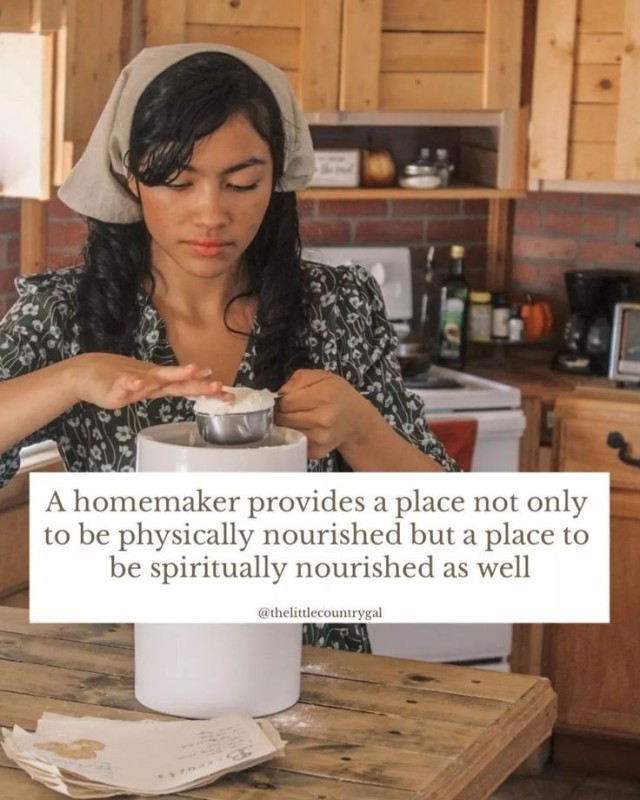
The tradwife vlog is a meticulously staged performance, where every frame is a tableau of curated compliance. These creators don aprons like armor, knead dough with the solemnity of a priestess, and narrate their domestic rituals with the reverence of a sermon. The aesthetic is a pastiche of 1950s Americana, where gender roles are not questioned but celebrated as a form of art. The kitchen becomes a stage, the vacuum a prop, and the husband’s approval the ultimate validation. This is not feminism—it is a retroactive erasure of the very struggles that won women the right to refuse such roles. The tradwife is not a rebel; she is a reactionary, a living museum exhibit of a time when women’s worth was measured in servitude.
Yet, the allure of this fantasy lies in its simplicity. In a world where capitalism demands women juggle careers, childcare, and self-care, the tradwife offers an escape hatch—a narrative where ambition is traded for devotion, and independence for the illusion of harmony. The vlogs are a balm for the exhausted feminist, a whispered promise that happiness lies not in the boardroom but in the bedroom, where obedience is rebranded as devotion. The irony? This fantasy is sold as empowerment, when in truth, it is a surrender dressed in silk and lace.
Domestic Bliss as Performance: The Scripted Reality of Tradwife Content
Every tradwife vlog is a scripted reality, where the chaos of life is edited into a seamless loop of domestic perfection. The “unscripted” moments are carefully curated—children who never whine, meals that materialize without effort, and husbands who never forget to express gratitude. The camera lingers on the golden-brown crust of a pie, the way a husband’s tie is adjusted just so, the children’s synchronized smiles. This is not life; it is a commercial for a life that does not exist. The tradwife is not a person; she is a product, and her value is determined by her ability to sell the illusion of effortless perfection.
The editing is where the magic happens. A tantrum is cut short, a burnt dinner is replaced with a flawless soufflé, and any hint of discontent is airbrushed away. The vlogs are not documentaries; they are advertisements for a lifestyle that is as attainable as a unicorn. The tradwife’s life is a highlight reel, where the mundane is elevated to the sacred, and the sacred is reduced to a checklist. This is the new feminine mystique—not a critique of oppression, but a celebration of it, wrapped in the glossy packaging of modern media.
Economic Paradox: The Tradwife as a Luxury Brand
There is a cruel irony in the tradwife economy: the more a woman embraces the fantasy of domestic servitude, the more she must rely on external income to sustain it. The apron-clad vlogger selling the dream of a stay-at-home life is often funded by sponsorships, Patreon subscriptions, or a partner’s salary. The tradwife lifestyle is a luxury, one that requires financial stability to even contemplate. This is not liberation; it is a gilded cage, where the illusion of choice is sold to those who can afford the fantasy.
The tradwife market thrives on the same capitalist machinery it pretends to reject. Merchandise lines, affiliate links, and premium content subscriptions are the lifeblood of this movement. The vlogger who preaches the virtues of self-sufficiency is often the same one hawking $50 aprons and $20 “tradwife starter kits.” The irony is delicious: the more a woman buys into the fantasy of domestic bliss, the more she funds the very system that profits from her compliance. This is not feminism; it is a pyramid scheme of nostalgia, where the base is built on the backs of those who believe they are choosing freedom.
Feminist Backlash: When Submission Becomes a Trend
The rise of the tradwife vlog is not an accident; it is a backlash. In an era where women are reclaiming their bodies, their voices, and their autonomy, the tradwife offers a counter-narrative—a return to a time when women’s roles were neatly defined and unquestioned. This is not empowerment; it is a regression disguised as empowerment. The tradwife is the ultimate troll of feminism, a parody of liberation that masquerades as its opposite. She is the woman who says she is free because she chooses to kneel, who claims agency in her own subjugation.
The danger of this trend is not in its existence, but in its normalization. When a woman can post a video of herself scrubbing floors with a smile and call it feminism, we have entered a hall of mirrors where oppression is rebranded as choice. The tradwife vlog is not a celebration of femininity; it is a rejection of the hard-won battles of the feminist movement. It is the whisper of a patriarchal whispering sweet nothings into the ears of women who are exhausted by the fight for equality. This is not progress; it is a surrender.
The Illusion of Choice: Who Really Benefits?
At its core, the tradwife vlog is a narrative of control—control over women’s bodies, their labor, and their aspirations. The woman who chooses to be a tradwife is not making a free decision; she is buying into a script written by forces far greater than herself. The real beneficiaries of this trend are not the women who perform these roles, but the algorithms that profit from their content, the brands that sell them products, and the men who get to dictate the terms of their “freedom.”
The tradwife is not a feminist icon; she is a symptom of a culture that has commodified every aspect of women’s lives. Her existence is a testament to the power of marketing, where even the most regressive ideals can be sold as progressive if the packaging is pretty enough. The question is not whether women have the right to choose this lifestyle, but whether we have the right to call it feminism. The answer, of course, is no. The tradwife vlog is not a celebration of womanhood; it is a cautionary tale about the dangers of nostalgia, the seduction of simplicity, and the ease with which oppression can be repackaged as empowerment.