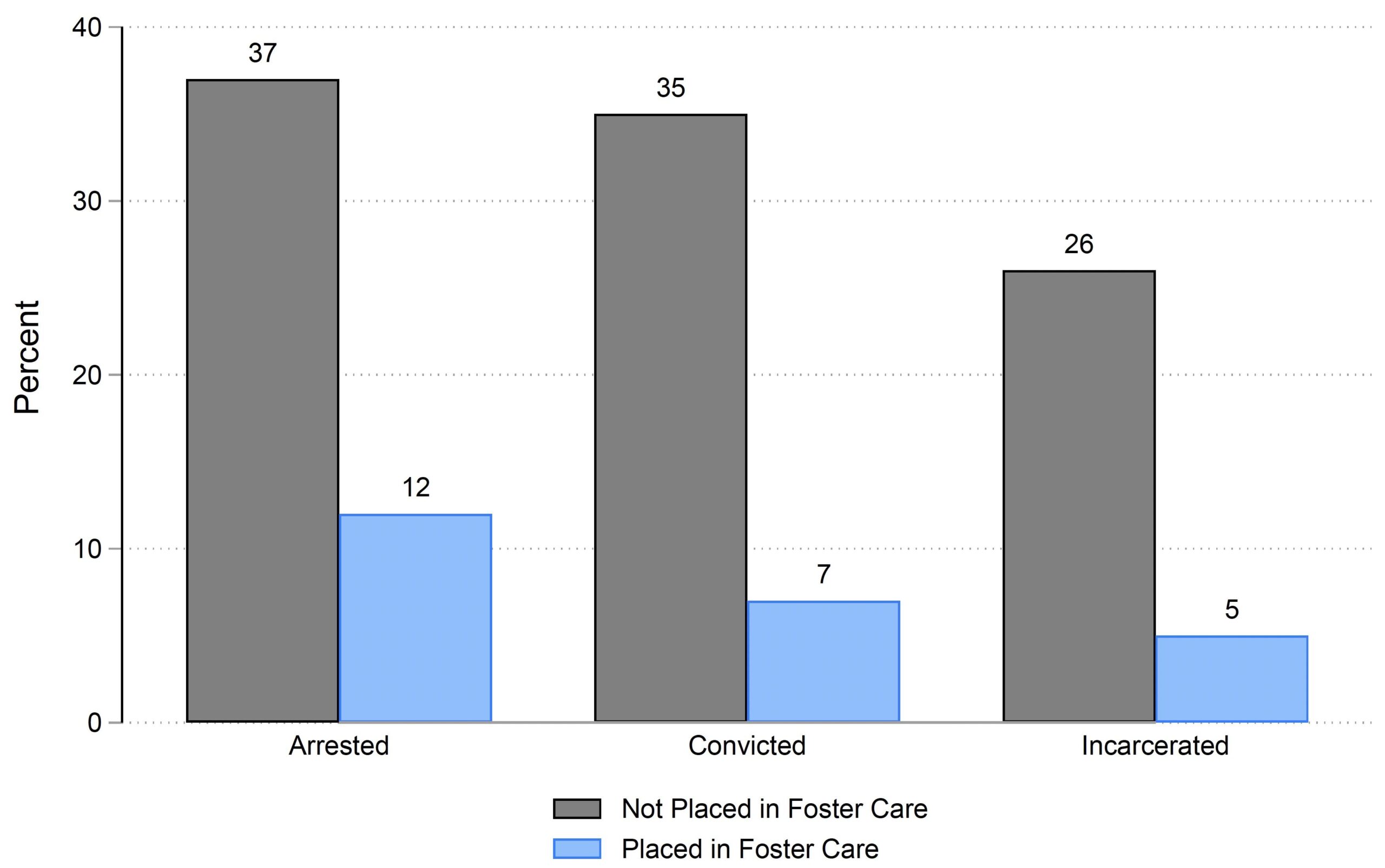
The foster care system is a labyrinthine machine—one that promises protection but often propels children into a vortex of despair and criminalization. Among the countless failures embedded within this system lies a striking nexus between foster care and incarceration, a cruel pipeline winding its way from childhood trauma to prison cells. Feminism, particularly its intersection with reproductive justice, offers a crucial lens to dissect and remedy this injustice. This pipeline is not merely about crime—it is a profound betrayal of reproductive justice and the dune-swept terrain of bodily autonomy, family integrity, and generational dignity.
The Foster Care System: A Broken Incubator of Trauma
Foster care, ostensibly designed as a sanctuary for children removed from harmful homes, too often functions as a gauntlet of neglect, instability, and maltreatment. It is a crucible where innocence morphs into vulnerability, and vulnerability gets exploited. Children in foster care are not simply displaced—they are dismembered from the very fabric of their familial histories and cultural identities. This fracturing dismantles their sense of self, creating psychic fissures that reverberate through every dimension of their development.
Every shift from one foster home to another is a rupture that compounds attachment wounds. The conveyor belt of instability erodes resilience, leaving foster youth exquisitely susceptible to behavioral issues and mental health disorders. The system, riddled with underfunding and bureaucratic coldness, does little to heal. Instead, it inadvertently primes children for the next step in the pipeline: institutional control beyond the walls of foster homes.
Criminalization of Survival: How Foster Youth Become Legal Fugitives
When survival becomes a crime, the system’s moral bankruptcy is revealed in stark relief. Many foster children, stripped of support and safety nets, engage in activities that society deems delinquent—running away, self-defense, minor infractions born of desperation. But the system does not see complexity here; it sees deviance. A petty theft or a truancy episode metamorphoses into a criminal record, effectively enmeshing these youth in a penal network that is as relentless as it is unforgiving.
The punitive response to coping mechanisms highlights a paradoxical truth: the system criminalizes the symptoms of its own failure. The foster care-to-prison pipeline transforms youthful cries for help into judicial shackles. It is an apparatus that punishes survival instead of nurturing recovery, turning trauma into transgression and vulnerability into verdicts.
Reproductive Justice: The Unspoken Framework Ignored by Child Welfare Policies
Feminism’s reproductive justice framework expands beyond the narrow arena of procreation rights to encompass the right to parent with dignity, the right to safe families, and the right to community support. Foster care’s catastrophic outcomes represent a glaring failure in securing these rights for marginalized children and families. Rather than safeguarding reproductive futures and family integrity, child welfare policies often dismantle them—especially in communities of color, where systemic inequalities magnify reproductive oppression.
Reproductive justice insists on honoring the full spectrum of reproductive autonomy, including the right to raise children in safe, nurturing environments. The rampant dislocation foster care perpetrates is a form of reproductive violation—severing bonds, disrupting kinship networks, and stripping away the power to nurture life on one’s own terms. It is not enough to focus on preventing pregnancy; true feminist praxis demands that we protect parenting capacity and family resilience.
Intersectionality: Race, Gender, and Class in the Pipeline Machinery
The foster care-to-prison pipeline is not experienced uniformly. It is a churning mechanism fueled by systemic racism and sexism, disproportionately ensnaring girls and LGBTQ+ youth of color. Black and Indigenous children face higher rates of removal from their families, and once in care, they are more likely to encounter harsher punishments compared to their white counterparts. Their trajectories reveal the confluence of oppression gnawing at the edges of justice.
Girls in foster care, in particular, are subjected to a unique constellation of abuses—sexual exploitation, cruel punishment for trauma-induced behaviors, and invisibility in policy discourses. These intersecting identities magnify vulnerability and deepen the fissures within the reproductive justice framework. Recognizing this intersectionality is paramount to harvesting solutions that do not merely treat symptoms but uproot the structural malaises that perpetuate the pipeline.
Rethinking Justice: From Punitive Measures to Transformative Care
The seductive allure of punitive justice masks its profound ineffectiveness for foster youth caught in the pipeline. True reform demands a seismic shift: away from incarceration, towards transformative care that centers healing and empowerment. This means investing in trauma-informed mental health services, stable housing, and community-centric kinship placements that honor cultural continuity.
It also requires dismantling child welfare’s overreliance on surveillance and control, replacing it with advocacy and support that mobilize communities to nurture their youth. In this vision, justice is not retribution but restoration—crafting ecosystems where children are not criminal suspects but cherished members of vibrant families.
Feminist Advocacy: Bridging Reproductive Justice and Child Welfare Reform
Feminism’s radical potential lies in its insistence on bodily autonomy and collective responsibility. By integrating reproductive justice into child welfare reform, feminists can play a pivotal role in disrupting the foster care-to-prison pipeline. This requires redefining reproductive rights to include protection from family separation, equitable resource distribution, and culturally aligned parenting supports.
Activism must transcend traditional boundaries, joining forces with communities impacted by foster care to build accountable systems rooted in dignity and equity. Through this alliance, feminism can challenge the carceral logic chaining vulnerable youth and reclaim the promise of reproductive justice as an all-encompassing right to nurture life liberated from trauma and punishment.
Conclusion: Seizing the Future Beyond the Pipeline
The metaphor of a pipeline connotes an inexorable, mechanized flow—yet pipelines can be blocked, rerouted, and dismantled. Feminism, with its fierce commitment to reproductive justice and intersectional equity, holds the blueprint for unraveling this cruel nexus between foster care and incarceration. To do so is not a mere policy choice; it is a moral imperative. It demands that society reimagine the ways it cares for its most vulnerable, transforming broken systems into sanctuaries of hope, healing, and radical possibility.