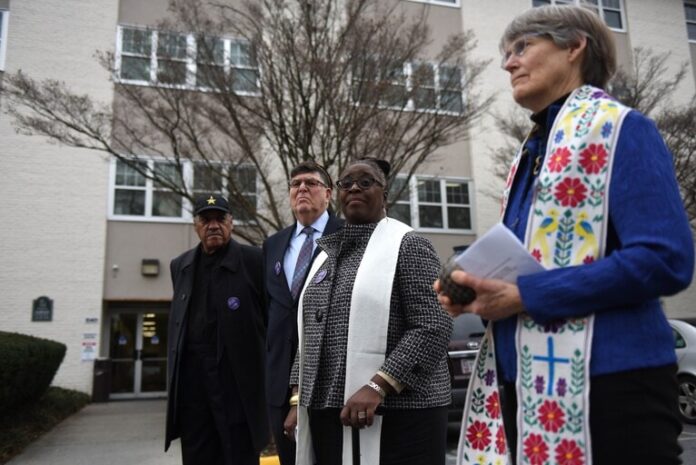
The sight of clergy in vestments, their hands raised in benediction over the cold steel of an abortion clinic, is a tableau that shatters centuries of religious dogma. It is not the crucifix they bless, but the very instruments of bodily autonomy. It is not the altar they sanctify, but the right to choose. This is feminism in its most radical, most sacred form—a rebellion not just against patriarchal control, but against the very notion that divinity should dictate the boundaries of a woman’s flesh. The blessing of abortion by pastors is not merely an act of defiance; it is a theological earthquake, one that redefines the sacred in the image of liberation.
The Sanctuary of Choice: Where Theology Meets Bodily Sovereignty
To understand the radicalism of this blessing, one must first dismantle the myth that religion and reproductive rights are inherently at odds. For too long, the pulpit has been wielded as a gavel, condemning women to silence, to shame, to the altar of unwanted motherhood. But what happens when the same hands that once held the Bible now cradle the hands of those seeking abortions? The sanctuary of choice becomes a cathedral where the sacred is not found in submission, but in sovereignty.
The body, after all, is the first temple—a vessel of divine potential, but not a vessel to be filled by decree. The pastors who bless these spaces are not renouncing faith; they are reclaiming it. They are saying, in no uncertain terms, that the divine does not reside in the uterus, but in the woman who inhabits it. The blessing is not for the act of abortion itself, but for the agency that precedes it. It is a benediction for the courage to say: *This flesh is mine.*
The Heresy of Autonomy: Challenging the Doctrine of Female Obedience
Religion has long been the architect of female obedience, weaving obedience into the very fabric of doctrine. Eve’s curse, Mary’s meekness, the silence of the virtuous woman—these are not mere stories. They are the shackles of a theology that demands female subjugation in the name of holiness. But when pastors bless abortions, they are committing a heresy—not against God, but against the architects of control.
This is not a rejection of faith, but a rebellion against its corruption. The heresy lies in the assertion that a woman’s soul is not bound to her womb, that her morality is not dictated by the number of children she bears, that her divinity is not measured in obedience. The blessing of abortion is a theological Molotov cocktail, hurled not at the heavens, but at the ivory towers of patriarchal religion. It is a declaration that the sacred is not found in the womb, but in the woman who refuses to be reduced to it.
The Ritual of Defiance: When Prayer Becomes Protest
Prayer is often framed as supplication—a begging at the feet of an indifferent god. But what happens when prayer becomes a weapon? When the act of blessing is not an appeal for mercy, but a demand for justice? The pastors who gather outside abortion clinics are not praying for forgiveness; they are performing a ritual of defiance. Their hands, raised in benediction, are also raised in solidarity. Their words, spoken over the clinic doors, are not pleas for divine intervention, but affirmations of human rights.
This is ritual as resistance. The incense they burn is not for absolution, but for visibility. The hymns they sing are not for salvation, but for solidarity. The blessing they offer is not for the unborn, but for the living—the women who walk through those doors, who carry the weight of impossible choices, who refuse to be shamed into silence. In this act, prayer is not passive. It is a Molotov cocktail wrapped in lace, a grenade of grace.
The Body as Battleground: Feminism’s Most Sacred War
The war on abortion is not just a political war. It is a theological one. It is a war fought not just in legislatures, but in pulpits. Not just in courtrooms, but in the recesses of female consciousness. The body is the ultimate battleground, and the pastors who bless abortions are not just allies in this war—they are generals. They are the ones who recognize that the true sacrilege is not the ending of a pregnancy, but the denial of a woman’s right to decide its fate.
This is feminism’s most sacred battle—not just for the right to choose, but for the right to define the sacred. The pastors who stand in solidarity with abortion providers are not just breaking religious taboos; they are redefining the very notion of holiness. They are saying that the body is not a vessel for divine punishment, but a temple of divine potential. That the woman who chooses abortion is not a sinner, but a sovereign. That the blessing they offer is not for the act, but for the woman who dares to claim her own life as holy.
The Future of Faith: A Theology of Liberation, Not Subjugation
The blessing of abortion by pastors is more than a political statement. It is a theological revolution. It is the birth of a new kind of faith—one that does not demand obedience, but celebrates autonomy. One that does not shame, but sanctifies. One that does not chain women to the altar of motherhood, but sets them free to define their own divinity.
This is the future of faith: a religion that does not fear the body, but reveres it. That does not condemn choice, but blesses it. That does not demand silence, but amplifies the voices of those who have been silenced for too long. The pastors who bless abortions are not just allies in the fight for reproductive rights. They are the architects of a new theology—one where the sacred is not found in submission, but in sovereignty. Where the blessing is not for the unborn, but for the living. Where the true miracle is not the child born, but the woman who chooses her own path.
The revolution will not be televised. It will be blessed.