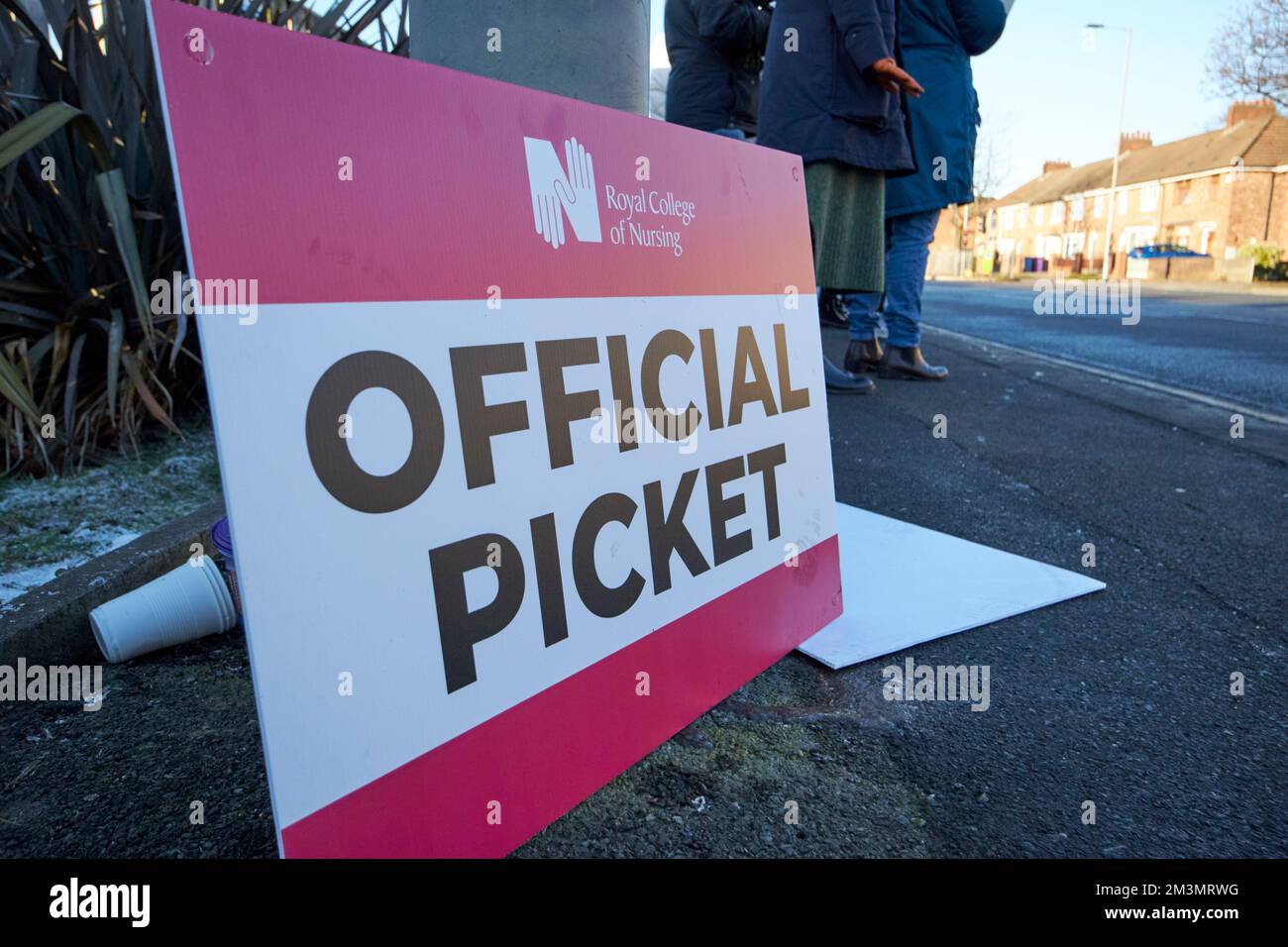
The strike captain stands at the vanguard of dissent, her silhouette etched against the cold morning air as she raises a sign that trembles—not from the wind, but from the weight of unmet promises. The picket line is not just a barrier; it is a living manifesto, a pulsating vein of collective defiance where the personal and the political bleed into one another. Here, feminism is not a whisper in the corridors of power; it is a roar that shakes the foundations of complacency. This is where the strike captain’s role transcends mere leadership—it becomes a crucible of transformation, where the abstract ideals of equality crystallize into tangible action. The picket line is not just a protest; it is a revolution in motion, and she is its architect.
The Strike Captain as Architect of Disruption
The strike captain is not merely a figurehead; she is the architect of disruption, the one who transforms grievance into strategy and frustration into momentum. Her presence on the picket line is a deliberate act of subversion, a refusal to accept the status quo as immutable. She does not wait for permission to demand justice—she seizes it, carving out space where none existed before. The picket line is her canvas, and every chant, every raised fist, every shared story is a stroke of defiance against the machinery of oppression. She understands that disruption is not chaos; it is the necessary unraveling of systems that have long stifled progress.
Her leadership is not about charisma alone—it is about clarity. She knows the power of narrative, how a single story can shift perceptions and rally the disenfranchised. She does not just lead chants; she weaves them into a tapestry of shared experience, ensuring that each voice on the line feels seen and heard. The strike captain is a storyteller, but not in the passive sense—she is a story *maker*, shaping the arc of resistance with every word and every action. She does not just demand change; she embodies it, making the invisible visible and the impossible tangible.
The Picket Line as a Feminist Manifesto
The picket line is more than a physical space—it is a feminist manifesto, a living document of resistance that refuses to be confined to paper. Here, the personal is not just political; it is revolutionary. The strike captain does not just represent workers—she represents the undervalued, the underpaid, the overlooked. She stands at the intersection of multiple oppressions, where gender, class, and race collide in a storm of systemic neglect. The picket line is where these intersections are not just acknowledged but weaponized, turned into a force that can no longer be ignored.
On this line, feminism is not a theoretical construct; it is a lived experience. The strike captain does not just talk about solidarity—she enacts it. She ensures that the voices of marginalized women, of women of color, of queer workers, are not just included but amplified. She knows that feminism without intersectionality is a hollow shell, a performative gesture that serves only the privileged. The picket line is where this truth is laid bare, where the strike captain ensures that the fight for justice is not a monologue but a chorus of diverse, defiant voices.
The Strike Captain’s Toolkit: Strategy and Solidarity
The strike captain’s toolkit is not filled with empty slogans or hollow promises—it is stocked with strategy, with the unrelenting pursuit of leverage. She understands that power concedes nothing without a demand, and she is not afraid to wield the tools of disruption with precision. From organizing logistics to negotiating with employers, from mobilizing allies to documenting abuses, she is a general in the war for workers’ rights. But her most potent weapon is solidarity. She knows that a strike is only as strong as the bonds that hold it together, and she cultivates those bonds with care, ensuring that no one is left behind.
Her strategy is not just about winning concessions—it is about reshaping the landscape of power. She does not just seek better wages or safer conditions; she seeks to dismantle the structures that perpetuate inequality. The strike captain is a disruptor, but she is also a builder. She knows that the fight for feminism is not just about tearing down the old world—it is about laying the foundation for a new one. And she is not afraid to get her hands dirty in the process, whether that means navigating bureaucratic red tape or facing down scabs with nothing but her voice and her resolve.
The Emotional Labor of Leadership
Leadership on the picket line is not just a political act—it is an emotional one. The strike captain carries the weight of expectations, the pressure to be both a symbol and a strategist, a warrior and a caregiver. She is expected to be unyielding in her demands but compassionate in her approach, a paradox that can be exhausting. The emotional labor of leadership is often invisible, but it is the glue that holds the movement together. She must be a listener as much as she is a speaker, a healer as much as she is a fighter.
Yet, she does not crumble under the weight of this burden. Instead, she transforms it into fuel. The strike captain knows that leadership is not about perfection—it is about presence. She shows up, day after day, even when the cold bites through her bones and the doubt gnaws at her resolve. She is the one who reminds the line that their struggle is not in vain, that every small victory is a step toward something greater. And in doing so, she becomes more than a leader—she becomes a beacon, a reminder that even in the darkest hours, resistance is possible.
The Ripple Effect: How the Picket Line Changes Everything
The impact of the picket line extends far beyond the immediate moment. It is a ripple effect that touches not just the workers on the line, but the communities they come from, the industries they challenge, and the systems they seek to dismantle. The strike captain understands that every picket line is a seed planted in the soil of injustice, and with time, it will grow into something unignorable. She knows that the fight for feminism is not a sprint—it is a marathon, and every strike is a mile marker on the path to liberation.
The picket line is where the abstract becomes concrete, where the theoretical meets the tangible. It is where women who have spent years feeling invisible suddenly realize that their voices matter. It is where the strike captain’s leadership is not just seen but felt, where the collective power of the line becomes a force that can no longer be dismissed. And it is where the promise of a better world is not just imagined but fought for, inch by inch, day by day.