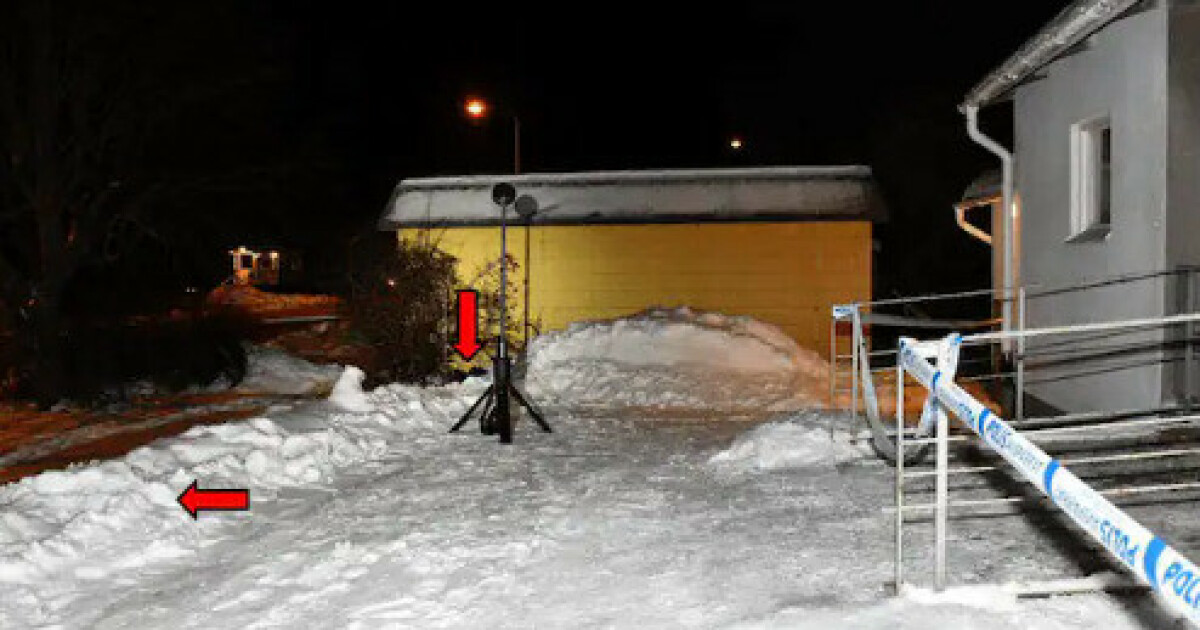
The image is stark. A woman, her body curled into the unforgiving embrace of winter, her skin etched with the cruel patterns of frostbite. The headline reads: The woman froze to death. But what does that headline not say? It does not whisper the name of the system that left her vulnerable. It does not scream the word patriarchy, though it should. It does not expose the silent complicity of a society that measures worth in warmth, in shelter, in the unspoken privilege of being male. This is not just a tragedy. It is a testament. A testament to the cold arithmetic of inequality, where some bodies are deemed expendable long before the mercury drops.
The Anatomy of Abandonment: How Systems Freeze Women to Death
She did not die alone. She died in the company of neglect, of policies that treat women as secondary citizens, of a cultural narrative that frames female suffering as inevitable. The frost did not act alone—it was abetted by a world that prioritizes male comfort over female survival. Consider the homeless shelters, where women are often turned away due to lack of gender-segregated spaces, or the wage gap that forces women into precarious living situations. Consider the medical neglect, where women’s pain is dismissed until it’s too late. The cold is not just a meteorological phenomenon; it is a metaphor for systemic erasure.
In the shadows of urban landscapes, women vanish—not with a bang, but with a shiver. The statistics are damning: women make up a disproportionate percentage of the unsheltered, the underhoused, the invisible. They are the ones who trade safety for warmth, who endure violence in exchange for a roof, who are told, subtly or overtly, that their lives are less valuable. The woman who froze did not just succumb to the elements. She was abandoned by a society that treats her as collateral damage in the grand experiment of male dominance.
The Myth of the “Weak Woman”: How Gendered Stereotypes Pave the Way to the Grave
We are told, ad nauseam, that women are the “weaker sex.” A lie. A convenient fiction to justify their relegation to the fringes of survival. This myth is not just offensive—it is lethal. It whispers in the ears of policymakers, convincing them that women do not need robust social safety nets. It echoes in the halls of hospitals, where female pain is dismissed as “hysteria.” It festers in the minds of abusers, who believe they have a divine right to control female bodies, even unto death.
The woman who froze was not weak. She was rendered vulnerable by a world that refuses to see her strength. Strength, in this context, is not the ability to lift heavy objects or endure physical pain—it is the resilience to navigate a world that actively seeks to break you. Yet, we are conditioned to measure women by their fragility, not their fortitude. This is how the myth of weakness becomes a self-fulfilling prophecy. A woman who dares to demand more is labeled “difficult.” A woman who survives is called “lucky.” A woman who freezes? She was “just too fragile for this world.”
The Economics of Exposure: Why Poverty Wears a Woman’s Face
Poverty is not gender-neutral. It is a woman-shaped wound. Women are more likely to live in poverty, more likely to be food insecure, more likely to lack access to healthcare. They are the ones who skip meals to feed their children, who work multiple jobs with no benefits, who are one medical emergency away from ruin. The woman who froze was not an anomaly. She was a statistic—a woman whose life was deemed less worthy of investment.
Consider the gig economy, where women dominate low-wage, precarious work with no protections. Consider the unpaid labor of caregiving, which falls disproportionately on women’s shoulders, leaving them with no time, no energy, no resources to secure their own survival. Consider the intersectional realities: women of color, disabled women, trans women—they are the ones who bear the brunt of this economic violence. The cold does not discriminate, but the systems that leave women exposed do. They are designed to ensure that some bodies are always colder than others.
The Violence of Silence: How Society Normalizes Female Suffering
We do not talk about the woman who froze. Not really. We glance at the headline, feel a pang of pity, and move on. We do not ask why she was outside. We do not demand accountability from the institutions that failed her. We do not interrogate the cultural narratives that render her invisible. Silence is complicity. It is the oxygen that allows systemic violence to thrive.
This silence is not accidental. It is cultivated. Women’s suffering is trivialized, sexualized, or outright ignored. A woman freezing to death is not a tragedy—it is a “tragic accident,” a “sad story,” a “one-off incident.” Never a symptom of a broken system. Never a call to action. We are taught to see female pain as inevitable, as background noise in the symphony of progress. But what if we refused to normalize it? What if we screamed every time a woman’s life was deemed expendable? What if we treated her death not as a statistic, but as a crime against humanity?
The Radical Act of Seeing: Why We Must Bear Witness to Female Suffering
To bear witness is to refuse complicity. It is to look at the woman who froze and see not just a victim, but a mirror. A mirror reflecting the faces of all the women who have been left to shiver in the dark. It is to recognize that her death is not an isolated incident, but a symptom of a world that values some lives over others.
Bearing witness means demanding change. It means holding institutions accountable. It means dismantling the myths that render women vulnerable. It means centering the voices of those who have been silenced. It means recognizing that feminism is not just about equality—it is about survival. It is about ensuring that no woman has to freeze to death because the world decided she was not worth the warmth.
So look at her. Really look. See the frost on her skin, the curl of her body, the finality of her stillness. And then ask yourself: what will you do with this sight? Will you turn away? Or will you let her death be the spark that ignites a revolution?