The fight for women’s reproductive rights has always been a tumultuous battleground. With the recent announcement from the FDA to endorse the morning-after pill procedure, we find ourselves at a pivotal moment in this enduring struggle. This move is not just about access to contraception; it is about autonomy, empowerment, and the right to make choices regarding one’s own body. Women have fought tooth and nail for decades to reclaim their narratives, and the FDA’s action is a testament to the relentless resilience of the feminist movement.
Reproductive rights are integral to gender equality, and this decision by the FDA empowers women by acknowledging their right to agency. As the tides of public opinion continue to shift, we must explore the implications of this progress and examine the resistance lurking beneath the surface.
Understanding the Morning-After Pill
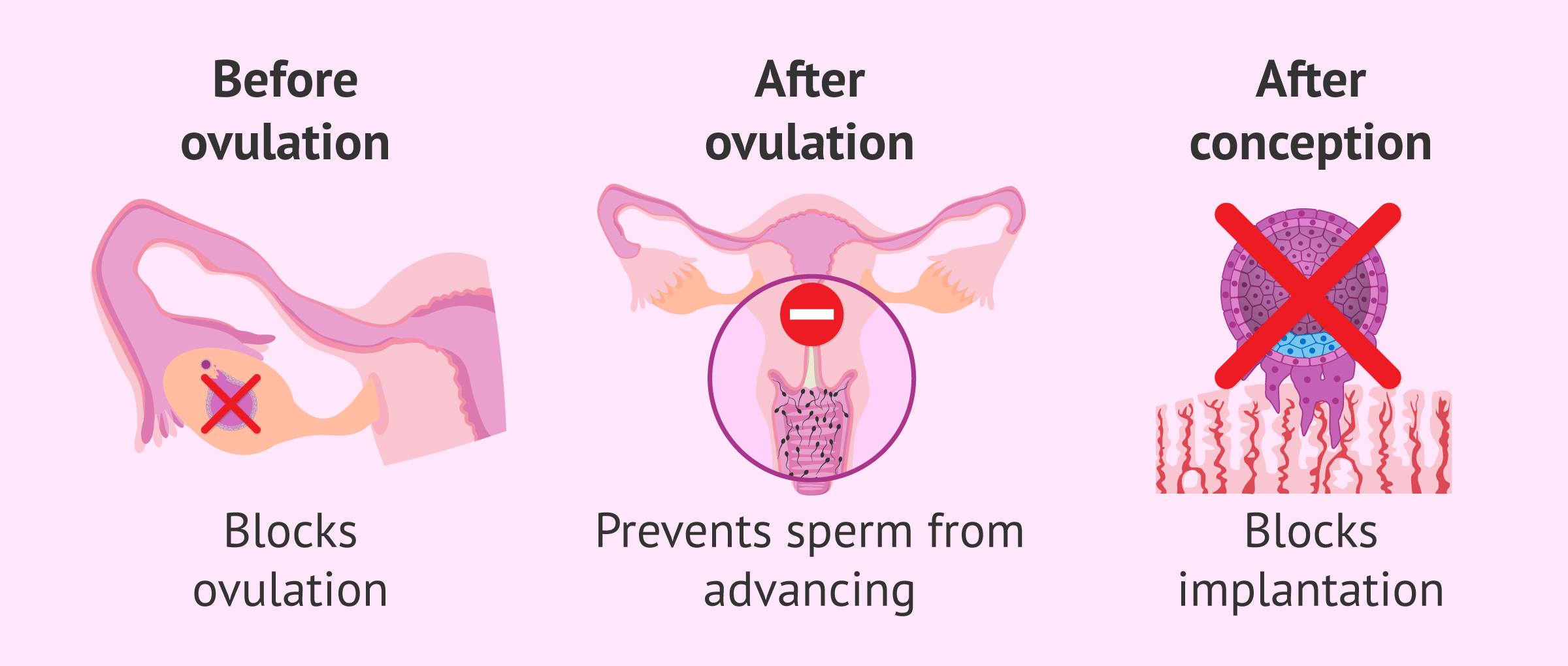
The morning-after pill, often wrapped in controversy, plays a critical role in women’s healthcare. It provides a crucial safety net for those who experience contraceptive failure or unplanned sexual encounters. This two-pill regimen can significantly reduce the risk of unintended pregnancies if taken within 72 hours after intercourse. However, stigmas and misconceptions persist, often fueled by misinformation and patriarchal narratives that demonize women’s sexual autonomy.
By normalizing access to this medication, the FDA is taking a bold step toward dismantling archaic notions surrounding female sexuality. As women, we must reclaim the narrative surrounding our bodies, our choices, and our right to choose when and if we want to become mothers. The FDA’s endorsement is a significant move toward recognizing that reproductive health is not just a personal concern; it is a societal one that warrants recognition and respect.
Feminism at the Crossroads of Reproductive Rights
The endorsement of the morning-after pill procedure is not merely a regulatory decision; it is an intersectional triumph for feminism. The feminist movement has historically fought for bodily autonomy—a tenet that is not only pertinent to reproductive health but also to the broader spectrum of women’s rights. Access to safe and effective contraceptive options is fundamental in empowering women to make informed decisions about their reproductive futures.
However, we must remain vigilant. Opponents frequently frame discussions around the morning-after pill in terms of morality, often invoking religious or socially conservative rhetoric to justify barriers to access. This discourse attempts to undermine the emancipation of women and their reproductive choices. We must confront this hypocrisy head-on: it is a violation of fundamental rights to dictate how a woman manages her body and reproductive health.
The FDA’s approval must catalyze dialogue about comprehensive reproductive education. Society must grapple with the fact that the stigma surrounding emergency contraception is far removed from the realities that many women face. Those who challenge reproductive rights often overlook the complexities of women’s lives—financial instability, personal crises, and the myriad reasons why access to the morning-after pill is not just desirable, but essential.
The Medical and Social Landscape Shifts
As we dissect the implications of the FDA’s decision, it is vital to contextualize it within larger social movements. The shift toward acceptance of the morning-after pill can be linked to broader cultural changes in how society views female agency. Generational shifts have sparked dialogues about the importance of reproductive rights, culminating in a more informed public that favors autonomy over antiquated social mores.
Moreover, studies indicate a growing acceptance of sexual health resources, particularly among younger demographics. Intersections of race, class, and gender illuminate stark disparities in access to reproductive healthcare. This FDA ruling must prompt a reckoning: how can we ensure equitable access for marginalized populations that face additional obstacles? The answer lies not only in policy changes but also in advocacy for systemic overhaul and comprehensive education for all. Empowering women goes hand in hand with concerted efforts to abolish discriminatory policies that hinder access to reproductive healthcare.
Anticipating Backlash
No monumental change comes without opposition. With the FDA’s backing of the morning-after pill procedure, we can expect a surge of resistance, often rooted in the same outdated dogmas that perpetuate control over women’s bodies. Anti-choicers and conservative factions will undoubtedly attempt to undermine this progress, invoking fears and misinformation to rally support. It is our responsibility as activists to combat these narratives and elucidate the realities of women’s experiences.
Rather than retreating into silence, we must amplify our voices and engage in proactive discussions about the importance of reproductive autonomy. This new chapter in women’s rights must fuel our collective resolve to advocate for universal access to reproductive health services. We must ensure that the endorsement of the morning-after pill serves as a springboard for broader discussions about healthcare access, education, and informed consent.
Empowering Future Generations
The FDA’s decision is a glimmer of hope on the horizon, but it also presents an unprecedented opening to advocate for a future where reproductive health is recognized as a fundamental human right. We must harness this opportunity to educate the next generation of advocates—to embolden young women and men alike to embrace a world where choices around reproduction are met with understanding and support.
Educational initiatives must focus on dismantling the stigma surrounding emergency contraception. Inclusivity must be prioritized, recognizing that discussions around sexuality and reproductive health should not be confined to the privileged few. We must advocate for comprehensive sexual education that supplies both knowledge and compassion in understanding reproductive choices.
The road ahead is long, and while the FDA’s endorsement of the morning-after pill procedure is undoubtedly a momentous victory, it is only one enclosed chapter in a much larger narrative about women’s rights. As such, this triumph calls for a renewed commitment to confront the systemic inequalities that many women face. It is time to challenge the societal paradigms that limit women’s choices, and reshape them into narratives of empowerment and freedom.
As feminists, we bear the torch, tasked with illuminating paths toward a future that celebrates women’s autonomy over their bodies. With solidarity and determination, we can ensure that personalized choices regarding reproduction are not only accessible but embraced by society. The FDA’s endorsement is a powerful reminder that the struggle for reproductive rights continues—it is an ongoing cycle of resistance and resilience that will not relent until every woman has full agency over her life and choices.