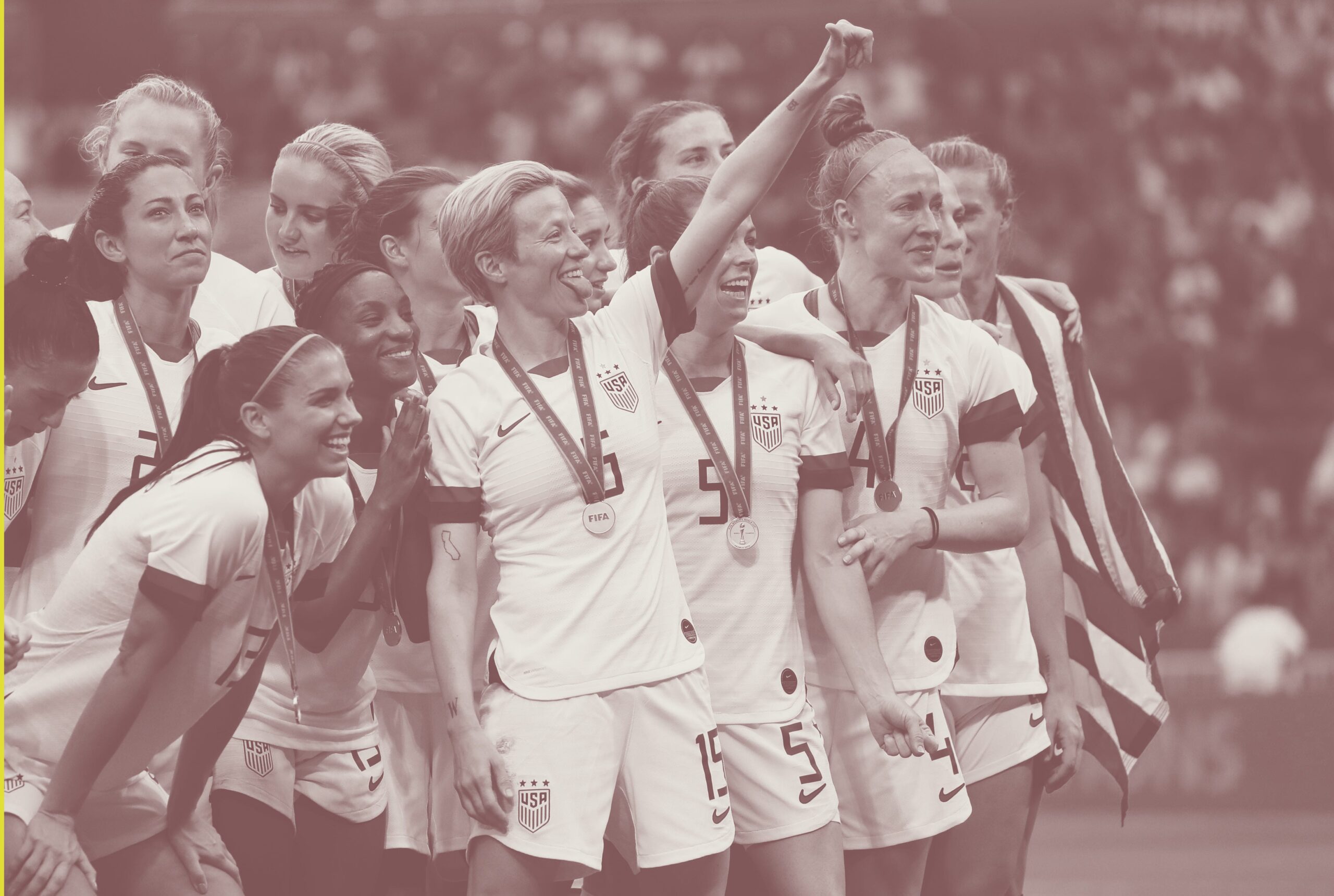
The Secretary of Health and Human Services has taken an audacious stance this season by vociferously advocating for girls to embrace sports. In doing so, this initiative marches forward on the frontlines of gender equality, interweaving athletic endeavors with the innate quest for equity. The implications of this call to action transcend mere participation; it underscores the vital role sports play in the holistic development of young women—both physically and psychologically. As we dissect the intricacies of this movement, its relevance grows undeniably salient in light of recent events and critical discourse surrounding gender rights.
Many often underestimate the profound impact that sports can have on young girls’ lives. The call from the Secretary is not merely an encouragement to pick up a soccer ball or lace up basketball shoes; it is an implicit recognition of sports as a catalyst for change. When girls engage in sporting activities, they are inadvertently challenging age-old stereotypes and dismantling the societal structures that have historically marginalised them. This initiative aims to empower girls to assert their identities and rightful places in both the sporting arena and society at large.
The push for girls to enter sports is emblematic of a broader feminist agenda that transcends the boundaries of physical activity. It is about redefining femininity and creating an environment where women can thrive—free from the oppressive webs of sexism. The powerful confluence of sports and feminism cultivates a robust foundation for discussions around empowerment, representation, and ultimately, equity.
To truly understand the depth of this initiative, we must first acknowledge the historical context in which it arises. For decades, women have fought tooth and nail for the right to participate in various fields previously dominated by men. The feminist movement has relentlessly challenged the notion that physical prowess is a masculine attribute and has argued vehemently for the right of women to engage in sports without fear of ridicule or discrimination.
Today, as women’s participation in sports continues to grow, the Secretary’s exhortation becomes even more critical. The statistics do not lie. Girls who participate in sports exhibit heightened self-esteem, improved academic performance, and a decreased likelihood of experiencing depressive symptoms. However, these benefits are not distributed equitably; disparities based on race and socioeconomic status remain stark and urgent. The call from the Secretary is, therefore, not merely a rallying cry but a necessary intervention aimed squarely at dismantling these inequities.
Inclusivity: The Underside of Competition
It is critical to highlight that fostering inclusivity within sports can and should act as a stark rejection of exclusivity and elitism. The push for girls to enter sports must advocate for all girls, regardless of their background or physical abilities. A myopic focus on elite competition sidelines those who might be wary of competing ‘at the top’ and can inadvertently perpetuate the cycles of inequality. The Secretary’s initiative must encompass a multidimensional approach where recreational, competitive, and adaptive sports coalesce.
Creating spaces where girls feel welcome and valued is paramount. This point not only affirms their right to participate but also nurtures a culture that celebrates diversity. Implementing programs that specifically target underrepresented communities can help incorporate marginalized voices into the broader dialogue surrounding women in sports. These programs can serve as incubators for future sports leaders, allowing them to cultivate and promote gender equality in their communities, paving pathways for other young girls.
Moreover, educational institutions must also take note. Schools and colleges play a pivotal role, cultivating environments that prioritize sports as a vehicle for empowerment. By promoting non-competitive physical education programs that emphasize personal growth over winning, educators can significantly alter the narrative. This shift is not simply about participation; it’s about fostering a mentality where every girl can become a leader, a collaborator, and a changemaker both within sports and in all facets of life.
Media Representation: The Double-Edged Sword
The way media portrays women’s sports cannot be ignored in this discussion. Positive representation in media plays a crucial role in how young girls perceive themselves as athletes. At the moment, women’s sports remain woefully underrepresented and often dismissed, leading to a lack of role models. When the media focuses on male-dominated sports, it sends a resounding message to girls: their athletic achievements are lesser. The Secretary’s initiative calls for an unequivocal demand for change in media representation, more robust coverage of female athletes, and greater visibility of women’s sports events.
While strides are being made with increasing coverage of women’s sports, there remains an uphill battle. This initiative could serve as fertile ground for partnerships between government and media, promoting campaigns that highlight compelling stories of female athletes, thus inspiring others to join the fray. Lifting women through commendation and visibility can reshape societal views and offer future generations relatable role models, ultimately empowering them to reach for their goals.
Legislation and Policy Change: The Path Forward
It is critical that the initiative from the Secretary evolves into concrete action. Aspirations must translate into policies that address gender disparities in sports funding, accessibility, and resources. If we are to take this movement seriously, the government must actively pursue legislation that mandates equality in funding between men’s and women’s programs at educational institutions and public sporting venues. It is not sufficient for encouragement to exist in a vacuum; structures must be built around them to sustain this newfound vigor towards gender equity.
Policymaking should prioritize ensuring equal access for all female athletes. While subsidies and grants for women’s sports programs are vital, enforcing Title IX compliance is equally essential to ensure that rights aren’t merely abstract notions. Treating gender equity as a foundational tenet of sports programs is not just a goal; it is a necessity. It positions this initiative not merely as a fad but as a cornerstone of progressive policy that interlinks with the broader feminist movement.
The Secretary’s move to encourage girls to enter sports may indeed serve as a watershed moment in the pursuit of gender equality, catalyzing shifts that go far beyond athleticism. We have the potential to redefine societal norms, engender respect, and widen opportunities, particularly in underrepresented communities. As this dialogue expands, it allows us to forge connections, unveil uncommon narratives, and ignite a movement that, when fully realized, can become the beacon of hope in the unyielding quest for gender equity.
In summation, this initiative beckons all to join the cause. As we applaud the call to action from the Secretary of Health and Human Services, let us carry this momentum forward. Let us demand equity and bottom-up change in our communities. For every girl who takes to the field, the potential exists to shape a more equitable world. The question remains: will we rise to the occasion?