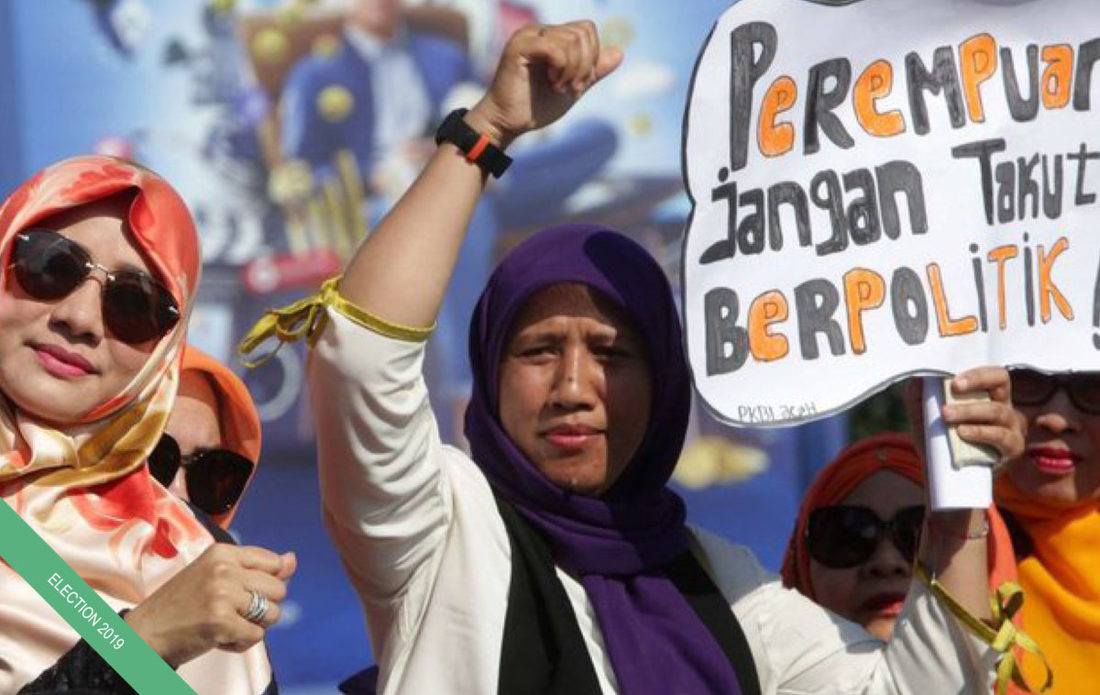
The current political landscape unfailingly reveals a glaring disparity: women’s representation remains woefully inadequate. As the democratic convention draws significant public attention, it spotlights the intensifying efforts of women who are not merely seeking visibility; they are demanding genuine power. Their voices resonate with an urgency that cannot be ignored, and their advocacy serves as a clarion call for change within the framework of feminism. The women gathering at the convention are not just delegates; they are torchbearers of a burgeoning movement that insists on parity and meaningful influence in political decision-making.
The pivotal role women play in shaping democratic ideals cannot be overstated. Their collective push for real political power transcends traditional gender roles. It disrupts the status quo, challenging institutionalized norms that have historically marginalized female voices. At the heart of this movement is a formidable contention: true democracy can only be achieved when women occupy positions of authority that reflect their numbers and experiences.
In examining the fervor at the democratic convention, it is imperative to analyze the multifaceted dimensions of women’s political engagement. Why is it that women, often the backbone of grassroots movements, still find themselves sidelined in the halls of power? The answers are not just embedded in systemic hurdles but also arise from a societal reluctance to embrace a leadership paradigm that values diversity and inclusivity.
The women at the convention are resolute in their demand not just for ‘a seat at the table,’ but for a recalibration of the table itself. East to West, from grassroots activists to high-profile politicians, their message is clear: power must be shared, not bestowed. The call for equitable representation is more than just a numerical adjustment; it is a comprehensive overhaul of the political apparatus that has, for too long, perpetuated patriarchy and disenfranchisement.
Take, for example, the conversations emerging from this year’s convention which are rife with themes of intersectionality. Women of color, LGBTQ+ women, and those from marginalized communities bring to the forefront the reality that issues affecting them are often overlooked by the predominantly male political elite. Their narratives intertwine to form a tapestry of experiences that demand to be acknowledged in policy-making. A truly representative political space is one where these diverse voices can articulate their needs and aspirations without dilution or distortion.
The power of coalition building among women across various demographics underscores this point. Advocates are increasingly recognizing that strength lies in unity. Building alliances among feminists who encompass varying ideologies underscores a crucial lesson: the fight for women’s rights is not a monolithic struggle. It encapsulates a mosaic of perspectives that, when harmonized, can create an indomitable force aimed at dismantling systemic barriers.
Furthermore, the intersection of technology and activism is illuminating paths previously obscured. Social media has emerged as a potent conduit for advocacy, allowing women to mobilize and amplify their voices on a global scale. The narratives shared across platforms not only raise awareness but also cultivate solidarity among women who might otherwise feel isolated in their fight for representation. The hashtag movements blossoming in this digital age have made it possible for myriad voices to converge at once, exerting pressure on political institutions to heed their demands.
In scrutinizing the significance of women’s calls for real political power, it becomes evident that the implications extend beyond mere representation. The quality of decision-making and policy formulation improves when women are present in significant numbers. Empirical studies reveal that diverse leadership teams yield more innovative and comprehensive solutions to complex societal problems. This holds particular significance when addressing critical issues such as healthcare, education, and criminal justice. Women possess unique insights shaped by their lived experiences, which can illuminate pathways toward equitable solutions for all.
The relentless push for equality at the democratic convention is not without its detractors. Critics often dismiss women’s demands as simplistic or radical. However, the reality is that advocating for power is a nuanced endeavor that necessitates engagement with the very roots of democratic principles. It challenges the existing political orthodoxy that often equivocates representation with tokenism. It is a radical act, indeed, to propose that mere visibility is an inadequate substitute for actual influence. The fight, thus, continues not only for the right to participate but for the right to effectively lead.
This raises an essential question: Are political systems prepared to adapt, or are they bound to perpetuate archaic power dynamics that resist women’s ascension? The narrative surrounding women’s participation in governance must shift from a scarcity mindset—which insists there can be only so many powerful women—to a narrative of abundance that recognizes the immense contributions women can make. The goal should not merely be filling quotas but transforming governance to reflect democratic ideals of justice and inclusion.
That said, advocating for women’s increased political power is as much a critique of the current political framework as it is an endorsement of female potential. It is an acknowledgment that the existing power structures have failed to provide equitable opportunities for all. As those at the democratic convention converge to share strategies, they are, in essence, devising a blueprint for a future where women no longer have to fight for a seat but confidently occupy central roles in discourse and decision-making.
The fierce determination on display at the convention sends a compelling message that cannot afford to be brushed aside: women’s empowerment in politics is non-negotiable. The stakes are too high, and the implications stretch beyond gender inequity; it embodies a fight for a more reflective and resilient democracy. As this movement gains momentum, it draws in allies from across the political spectrum—reminding us all that the quest for justice and equity is a shared responsibility. In this struggle, the authentic empowerment of women is vital; to achieve real representation, women need not just voices but real power etched into the fabric of governance.