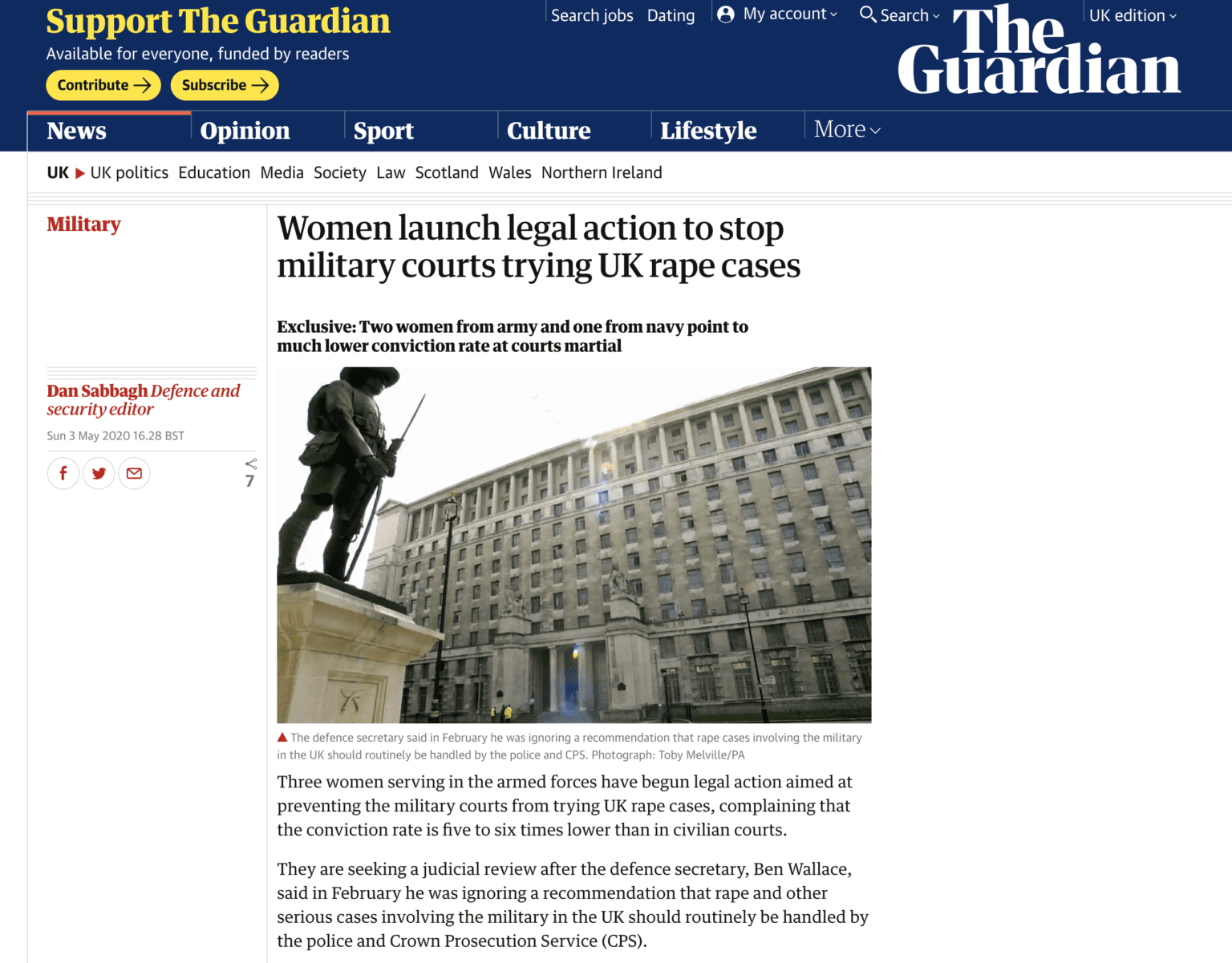
In a revealing turn of events, a military judge has vociferously denounced the ongoing discrimination case as nothing more than a ‘witch hunt.’ This characterization raises critical questions about systemic biases, the integrity of the judicial process, and the realities of discrimination within the military. Discrimination—steeped deeply in patriarchy—has long plagued not only the military but also our broader societal constructs. The implications of this case resonate far beyond the courtroom, demanding a thorough investigation into the treatment of women and marginalized groups in military environments.
In recent years, feminist scholars and activists have devoted considerable effort to elucidating the pervasive discrimination that engulfs servicewomen. This case, therefore, presents a pivotal moment for advocating for gender equity and justice within a historically male-dominated institution.
Unmasking the ‘Witch Hunt’ Narrative
From the judge’s perspective, the label ‘witch hunt’ often evokes notions of hysteria, misjudgment, and an inappropriate witch-hunt for accountability. But to claim that the discrimination case amounts to such hysteria is to obfuscate the lived experiences of countless military women who have faced blatant and covert forms of discrimination. The invocation of such terminology seeks to delegitimize the claims of these women, rendering them powerless in a system already rigged against them.
The judge’s comments misinterpret the motivations of the plaintiffs. What is truly at stake here is justice, not mere sensationalism. The brave women who have come forward are dismantling centuries of silence imposed upon them by structural misogyny, institutional apathy, and a widespread culture of intimidation. We must interrogate the implications of calling their legitimate grievances a ‘witch hunt.’ To label serious allegations as mere fabrications is to reinforce the patriarchal structures that have systematically devalued women’s voices in male-dominated arenas.
The Complexity of Military Culture
Military culture, by design, is a reflection of broader societal norms that have historically marginalized women’s contributions. The emphasis on hyper-masculinity, coupled with entrenched hierarchies, creates a breeding ground for discrimination and harassment. As military institutions strive to portray an image of modernity and inclusivity, the dissonance between their promises and actual practices reveals a troubling commitment to preserving the status quo.
This “man-up” culture deeply interweaves with the language surrounding allegations of discrimination. Often, the women who step forward are portrayed as ‘troublemakers’ challenging a sacred brotherhood. This presumption is exceedingly troubling, as it suggests that protecting military camaraderie holds more weight than safeguarding the rights and dignity of all service members. The relentless gaslighting embedded in the militarized environment forces women to consider their silence as a necessary form of compliance. Recognizing this dynamic is a prerequisite for any meaningful dialogue about reforming military practices and dismantling oppressive hierarchies.
The Legal Landscape: A Double-Edged Sword
The legal frameworks surrounding discrimination in the military, particularly those that govern sexual harassment and gender-based discrimination, are both complex and fraught with contradictions. There exists a misalignment between the legal protections available and the practical implications of seeking justice in military courtrooms, often leaving victims without recourse. This perceived inadequacy is accentuated by a judicial process that appears more interested in protecting its own than upholding the rights of individuals who seek accountability.
The stark reality is that military law often remains shrouded in ambiguity, further complicating the quest for justice. Women who dare to report discrimination frequently face not only the initial trauma of their experiences but also the anguish of navigating an opaque legal system. Within military judicial processes, they encounter hostility, victim-blaming, and, at times, outright dismissal of their claims. The system seems to prefer silence over accountability, further perpetuating a culture of discrimination.
The Role of Feminism in Military Reform
To confront the ongoing struggle against discrimination in the military, we must embrace a feminist perspective that actively seeks to illuminate injustices and empower marginalized voices. Feminism, in this context, serves as both a liberatory force and a framework for accountability. Feminist thinkers argue for the necessity of intersectionality, urging us to consider how overlapping identities compound vulnerability to discrimination.
Women fighting against discrimination within the military do so not just for their own rights but for future generations of servicewomen who should not have to engage in the same painstaking battles. Feminism calls for a reimagining of military culture, one that values diverse contributions and fosters an environment of respect and equality.
This reimagining is not merely aspirational; it requires concrete actions that can dismantle systems of oppression. Institutions must be called to account, held responsible for their roles in perpetuating patterns of abuse. Disciplinary measures must address structural issues as opposed to solely individual cases—a necessary shift in focus if we are to achieve meaningful change.
Reframing the Discussion Around Discrimination
In dissecting the implications of characterizing discrimination cases as ‘witch hunts,’ we must confront the deeply entrenched narratives that shape public perception. Denouncing claims made by marginalized groups ultimately serves to insulate those in power and maintain the status quo. The protracted struggle has driven these women to cultivate resilience and mobilize their voices. It is incumbent upon society to listen to them, to acknowledge their truths, and to facilitate avenues for redress.
Moreover, addressing the systemic roots of discrimination calls for a broader cultural shift—one that extends beyond the military. Engaging in this dialogue necessitates a reconsideration of gender dynamics and systemic inequalities, emboldening collective action against oppression. This calls for solidarity not only among women but also inclusive of all marginalized groups, recognizing that the fight against discrimination is ultimately interconnected.
Moving Forward: A Call to Action
What remains essential in the ongoing discourse surrounding military discrimination is the unwavering commitment to amplifying the voices of those affected. The military must grapple with its shortcomings and actively pursue recommendations for reform grounded in an understanding of historical and systemic injustices. Those at the forefront of this battle must be wielding the language of justice, not condemnation, and recognizing the profound importance of accountability over defensiveness.
As society continues to confront these complex issues, we must unequivocally stand against the diminishment of legitimate grievances and advocate for a future founded on equality, respect, and dignity. To dismiss claims of discrimination as mere ‘witch hunts’ is to ignore an opportunity for societal growth and reform that can enrich our military culture for generations to come. Through solidarity, awareness, and continual activism, we have the power to forge a new narrative in which justice is not a distant possibility but a present reality.