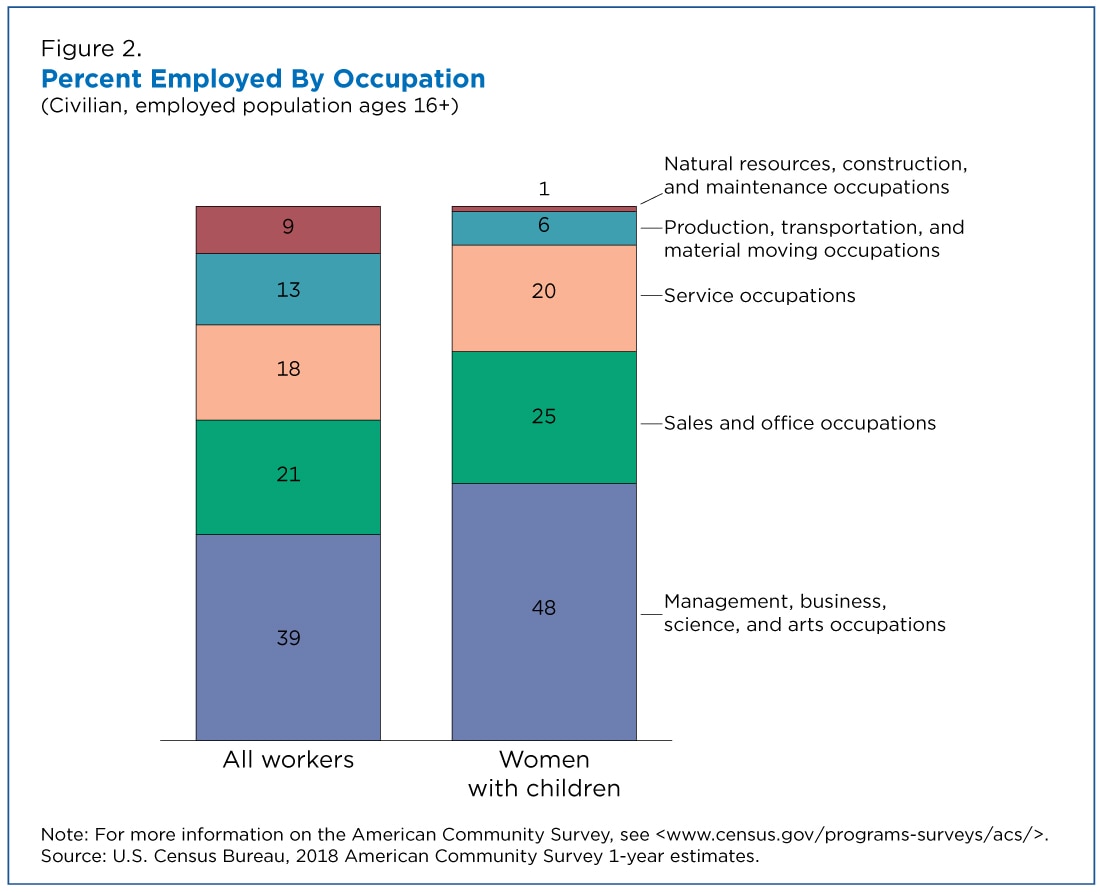
The landscape of motherhood and labor has undergone seismic shifts over the decades, but data from the early 2000s illustrates a vibrant surge: more mothers were returning to the workforce than ever before. This phenomenon isn’t merely a statistical footnote—it reflects the struggles, sacrifices, and resounding necessity that define the contemporary feminist movement. As we analyze this pivotal moment in history, it becomes paramount to dissect not only the numbers but the narratives behind them. What does this influx of mothers into the professional realm signify for gender equality and societal norms? It opens myriad avenues for discussion, demanding we interrogate the structures that both empower and constrain these mothers.
Recently, as mothers reclaim their spaces within the workforce, it’s essential to question: what drove this unprecedented return? The early 2000s were marked by economic fluctuations and societal transformations. The rising costs of living, coupled with an increasingly competitive job market, meant that two incomes were not just advantageous—they were essential for many families. Mothers found themselves in a dilemma: the traditional roles of caregiver and homemaker began to clash with the modern realities of economic survival. This scenario showcased an undeniable truth—mothers are not merely nurturers; they are also indispensable contributors to the economy.
The narrative of motherhood encapsulates more than just care and compassion. In the feminist perspective, it serves as a platform to advocate for systemic change. The return of mothers to the workforce is not an isolated trend; it’s a direct challenge to entrenched gender stereotypes that dictate women’s roles primarily as caregivers. The visibly increased participation of mothers in the workforce signifies a collective defiance against the archaic belief that women’s place is solely in the domestic sphere. This recalibration of roles is a radical assertion of agency—a poignant reminder that motherhood does not preclude professional ambition.
A Fragile Balance: Motherhood and Career—A Tightrope Walk
The dual roles that mothers navigate necessitate exceptional juggling skills. The tension between motherhood and career often forces women into a perpetual state of negotiation, where they must balance the demands of a professional life with those of their families. This balancing act is not just physically exhausting; it is mentally taxing as well. The societal expectation that women must excel in both arenas exemplifies the double bind that many working mothers find themselves in.
Yet, herein lies the crux of feminist discourse: such pressure to perform flawlessly in multiple roles provides fertile ground for the feminist movement to advocate for changed workplace policies. Maternity leave, flexible working hours, and the need for affordable childcare facilities are not just wants—they are basic rights that should be afforded to all workers, particularly mothers. The burgeoning trend of mothers integrating into the workforce punctuates the urgent necessity for these reforms. Feminism, at its core, champions the idea that work-life balance shouldn’t be an elusive dream but a fundamental principle of equitable labor practices.
The explosion of the digital era has also played a crucial role in reshaping the work landscape for mothers. Technology offers opportunities that transcend traditional employment boundaries. Remote work, freelancing, and online entrepreneurship have allowed mothers to break free from conventional office settings. This liberation not only aligns with their familial commitments but also fosters a new kind of economic independence. However, it’s imperative to scrutinize who is benefiting from this shift—often, it is the privileged few who have access to technology and resources, thereby posing significant questions regarding inclusivity and equality.
While the increase in workforce participation rates among mothers heralds a progressive evolution, it also beckons a critical examination of intersectionality. The experiences of white, middle-class mothers cannot be extrapolated to encompass the diverse tapestry of motherhood. Women of color, single mothers, and those from lower socioeconomic strata face unique challenges that often go unacknowledged in broader conversations. These mothers may return to work not from a place of choice, but out of dire necessity. Thus, while celebrating their return is paramount, it must be approached with an understanding of varied experiences and narratives that enrich the feminist dialogue.
Shattering the Stigma: From Stay-at-Home to Working Mom
The stigma surrounding working mothers has often been steeped in outdated beliefs about family dynamics and gender roles. The notion that a mother cannot be fully devoted to her family if she also pursues a career is a fallacy that feminism vehemently contests. This erroneous belief reinforces a toxic dichotomy, pitting professional aspirations against familial obligations. Society must reckon with the reality that women can thrive in both spheres, showcasing that nurturing and professionalism are not mutually exclusive but rather complementary attributes.
Moreover, the rise of working mothers highlights the importance of role models in undermining the stigma associated with career-driven mothering. Prominent working mothers serve as beacons of empowerment, shattering preconceived notions and demonstrating that ambition and motherhood can coexist harmoniously. Such narratives evaluate and reshape public consciousness, ultimately fostering an environment where mothers are celebrated for their multifaceted identities rather than being criticized for their choices.
Progress or Tokenism? The Corporate Response to Working Mothers
As the workforce landscape continues to evolve, corporations find themselves increasingly pressured to adopt family-friendly policies. However, amidst genuine advocacy lies the risk of performative support—corporate feminism that lacks real substance. The introduction of maternity leave and flexible schedules cannot merely serve as marketing tools; they must represent a transformative commitment to the well-being of employees. It’s essential to ensure that these policies are comprehensive and equitable, allowing all mothers—regardless of their job titles—the opportunity to thrive professionally without sacrificing their roles at home.
Corporate America must also acknowledge systemic sexism and biases that continue to permeate their structures. The glass ceiling remains an omnipresent hurdle for many women, particularly mothers striving for leadership positions. Advocating for more female leaders and equitable pay is imperative, as representation matters. The successes of mothers in the workplace should not be relegated to mere stories to tell—it should ignite a clarion call for institutional reform that fosters diversity and inclusion.
In conclusion, the increasing number of mothers returning to the workforce is far more than statistical data—it embodies a formidable revolution in gender dynamics, societal expectations, and economic reality. While celebrating this shift, we must also engage critically with the broader implications it presents for feminism. The experiences of mothers encapsulate the complexities of contemporary womanhood, interlaced with threads of resilience, ambition, and the perpetual struggle for equitable rights. As society continues to evolve, the chorus for change must amplify, ensuring that working mothers are not sidelined but are instead central figures in the narratives we tell about our shared future. Only then can we hope to realize the promise of true gender equality and the dismantling of hierarchies that have persisted for too long.