In the contemporary landscape of medicine, women’s voices are not merely welcome; they are imperative. Mavis Leno’s recent address to women physicians sheds light on the critical intersection of gender and health equity, emphasizing not just the necessity for dialogue, but the urgent action required to upend the long-standing gender biases in the medical field. The time for complacency is over; it is essential for women in medicine to pioneer change, galvanizing their collective strength.
As we delve into Leno’s pivotal insights, it becomes strikingly clear that these conversations do not occur in a vacuum. They reflect a broader societal need to dismantle the patriarchal structures that have historically marginalized women’s contributions in all sectors, particularly health care. The question remains, are we ready to confront the biases that pervade our systems, or will we continue to pretend that they do not exist?
For decades, women have remained a significant yet undervalued force in the medical profession. The disparity in representation is glaring, and Leno urges not just acknowledgment of these inequities, but advocacy for a paradigm shift in how we perceive and implement gender equity in health. There’s an undeniable urgency to elevate the voices of women within the ranks of medicine and health care, pushing past traditional barriers to cultivate an environment where all practitioners are recognized for their expertise and contributions.
Health equity should not be a privilege afforded only to a select few; it must be a universal right. Mavis Leno’s impassioned rhetoric challenges the status quo, igniting a flame that can no longer be extinguished. It is time for a revolution in thought, action, and policy—one that dismantles both systemic and interpersonal discrimination faced by women practitioners and their patients alike.
Isolation is not an option. Instead, solidarity among women physicians can engender powerful alliances that advocate for transformative policies. It is not enough to simply exist within the system; changing the narrative requires active engagement and a rethinking of established norms.
Historically, the medical community has favored a paternalistic hierarchy that relegates women’s contributions to the background. The necessity for representation cannot be overstated; diversity in thought drives innovation and improves patient outcomes. It is imperative that Leno’s message transcends the confines of conferences and forums, penetrating the very core of institutional policies.
The systemic barriers to advancement for women in medicine are profound and multifaceted. Consider the wage disparity; despite comparable levels of education and experience, female physicians continue to earn significantly less than their male counterparts. This economic inequity not only undermines the value of women’s labor but also perpetuates a culture of silence where women feel pressured to conform rather than advocate for their rightful place.
Mavis Leno’s address serves as an urgent reminder that silence is complicity. Women must forge alliances across disciplines, leveraging their collective experiences to foster an environment where gender does not dictate professional opportunities or patient care. It is time to redefine leadership in medicine—leadership that champions inclusivity and prioritizes gender equity as a core component of health care reform.
Furthermore, the implications of achieving gender equity extend far beyond the walls of hospitals and clinics. Women in medicine are uniquely positioned to influence patient advocacy and public health initiatives. They can forge programs that address the specific needs of women, children, and marginalized populations. Through affirmative action and advocacy, the health disparities that many women face can be significantly mitigated.
The statistics are shocking yet not surprising. Women face dismissive attitudes from peers and patients alike. It’s imperative for the medical community to recognize these biases and work toward eradicating them. Women must feel empowered to speak freely and advocate for themselves both as professionals and as patients. Leno highlights that to achieve health equity, we must also confront the biases inherent in medical education and training. Curriculum reforms that include gender issues and cultural competence are essential to reshape the next generation of practitioners.
The role of mentorship also cannot be understated. Female physicians must invest in cultivating the next generation of women leaders in medicine. By sharing their experiences, providing guidance, and challenging the traditional narratives, seasoned professionals can empower young women to break through the barriers that have historically stifled their progress.
Advocacy for policies that promote gender equity in medical institutions is crucial. Such efforts must include equitable hiring practices, family-friendly workplace policies, and provisions for equitable compensation. Institutions must make it a priority to not just hire more women but to ensure that they are seen as equals among their male colleagues. Policies that promote women in leadership positions can drastically change the dynamic of our health systems.
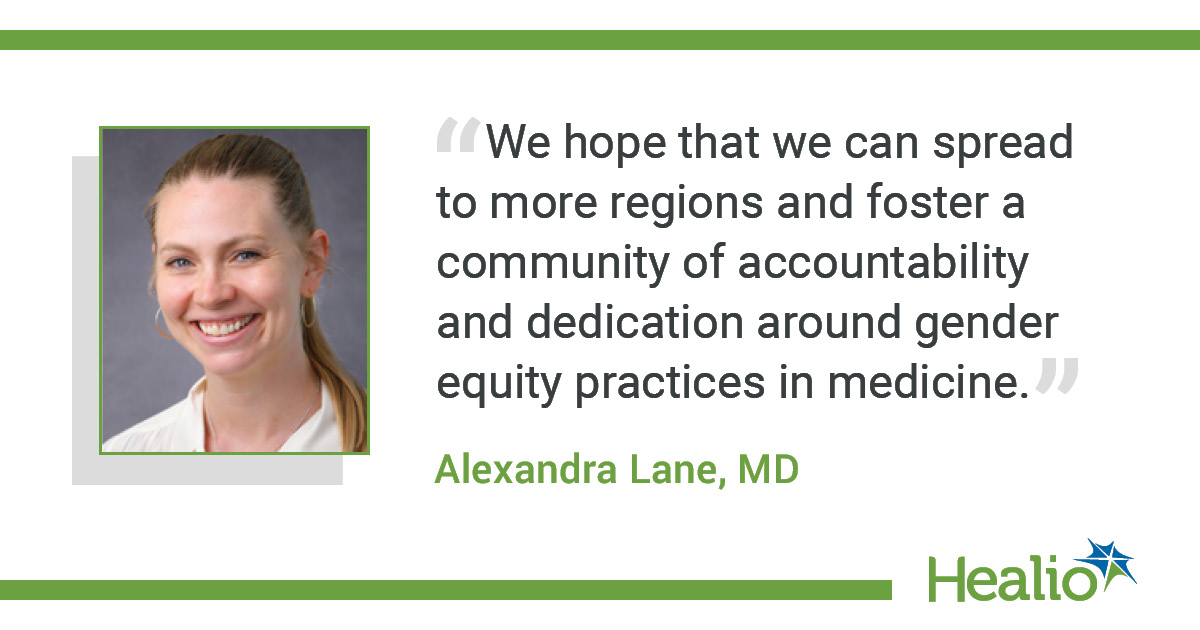
In conclusion, Mavis Leno’s engagement with women physicians serves as a beacon of hope and a catalyst for change. The movement towards gender equity in medicine is a marathon, not a sprint, and it demands our ongoing commitment. By challenging entrenched norms, instigating dialogue, and advocating for policy changes, women physicians can lead this charge toward a more equitable and just health care system. We stand on the precipice of a transformative era—let us not step back, but propel forward, relentlessly pursuing the equity that is long overdue.