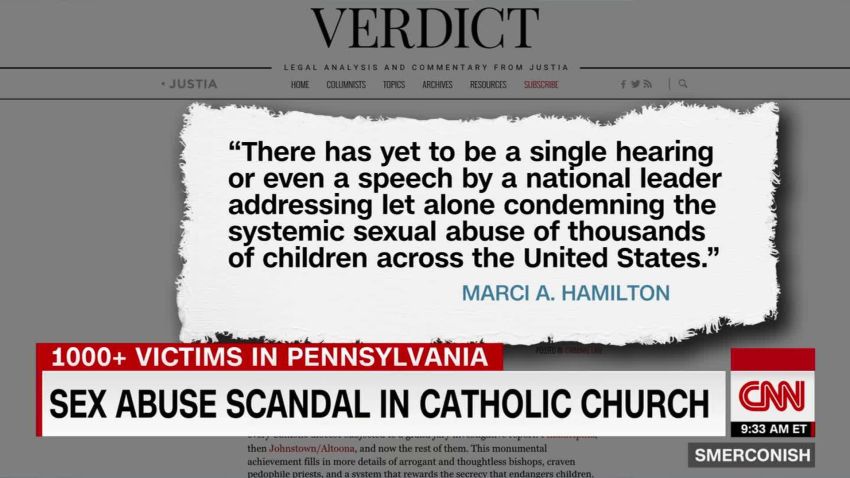
The revelations emerging from the Catholic Church continue to send shockwaves through society, but this time, the focus has expanded beyond the clergy’s abuse of boys to encompass the systemic and unrelenting abuse of women and girls. This is not simply a scandal; it is a profound illustration of an institution that has perpetuated misogyny and patriarchal power for centuries. In unraveling the threads of this ongoing saga, we must confront uncomfortable truths about the Church’s role in enabling and covering up abuse, particularly as it pertains to its female victims. Unearthing these narratives provides an anguished look at how women and girls suffer in silence while the institution cloaks itself in sanctity and privilege.
This grotesque juxtaposition between dogma and dysfunction reveals an intricate web of complicity, codependency, and systemic misogyny that thrives within the heart of the Church. As feminists, we are called to dismantle these structures and advocate for those whose voices have been muffled under the oppressive weight of silence and shame. We cannot afford to look away; the time has come to confront this issue with the urgency it deserves.
The insidious nature of the Church’s abuse of women is not merely rooted in individual acts of depravity; it is an institutional failure that spans decades, if not centuries. The revelations of systemic abuse require us to cast a critical eye over the Church’s teachings, its historical disregard for the rights of women, and the gender hierarchy that fuels such egregious behavior.
In an era where the #MeToo movement has pushed discussions of consent and agency into the mainstream, the Catholic Church stands as a relic of archaic patriarchal values that unequally prioritize male clergy over female congregants. This dissonance creates a fertile ground for abuse to fester. With numerous new accounts surfacing, detailing harrowing experiences of exploitation and manipulation by clerical figures, we must recognize the Church’s agenda of maintaining a façade of moral authority while indulging in immoral practices.
When we speak of abuse in the Church, it often coalesces around familiar narratives. Yet, the recent documentation of women’s suffering demands our attention. As female victims recount tales of sexual abuse, coercion, and emotional manipulation instigated by those they were taught to trust, the gravity of these experiences cannot be overstated. They are not isolated incidents; they are emblematic of an insidious culture that not only permits such abuses but also protects the perpetrators while vilifying the survivors.
The anguish does not end with the act itself. Many women and girls, stripped of their autonomy and dignity, find themselves further victimized by the police of silence that governs the Church’s hierarchy. As the narratives of the survivors come to light, we discover terrifying truths about how these women faced untold humiliation and threats of ostracism should they dare to speak out. The implications of this are staggering. Such tactics are a systematic denial of women’s rights and agency. By enforcing silence and instilling fear, the Church perpetuates a cycle of trauma that stretches outward, ensnaring future generations.
Understanding the expansion of the Catholic Church scandal through a feminist lens requires acknowledging how deeply entrenched misogyny inhibits women from seeking justice. When the very institution that claims to offer solace is also the one administering pain, how are we to reconcile faith with integrity? This question is paramount. The Church’s tenets often amplify messages that label women as “temptresses,” diverting culpability away from the abusers while further demoralizing their victims. These damaging narratives serve to delegitimize the experiences of women, enshrining shame as the ultimate weapon against their voices.
Furthermore, the Church’s reluctance to reform its doctrine only serves to exacerbate the plight of women. Its aversion to change stems from a fear of losing control over a male-dominated landscape that has historically marginalized and oppressed women. The hypocrisy is palpable: while professing to champion family values, the Church undermines the sanctity of women’s lives through its dogmatic adherence to power structures that allow for exploitation. The refusal to implement meaningful policies reinforces the idea that women are mere vessels for the Church’s agenda rather than individuals deserving of respect and justice.
So how do we confront these harrowing issues? The answer lies in a collective awakening—one that requires alliances across different avenues of activism and advocacy. It necessitates creating spaces for women to share their stories without fear of retribution, and it calls for dismantling the cultural attitudes that allow such abuses to thrive unchecked. The call for accountability extends beyond the Church itself: it must include societal reform that centers women’s rights and amplifies their voices in all areas of faith, work, and community.
We must step away from the comforting myths of innocence surrounding the Church and confront its authoritarianism. It is imperative that we challenge the notion that a spiritual calling can absolve individuals of their moral obligations. Just as we question the traditional roles of men and women in society, we must interrogate the roles assigned within the Church. No man of the cloth should be immune to scrutiny, nor should any woman be silenced by the sheer weight of tradition or fear.
Moreover, we must interrogate the resources allocated toward protecting the institution versus those aimed at supporting survivors. While large sums are often spent on legal defenses and public relations campaigns designed to shield the Church from scrutiny, the reparations for victimized women remain grossly inadequate. This imbalance in resource distribution exemplifies the Church’s priorities and forces us to ask unsettling questions about where its true allegiances lie.
Ultimately, the stories of abuse in the Catholic Church are not merely tales of suffering; they are powerful calls to action for all who seek justice for women and girls. Each account serves as a reminder of the urgency required to end this culture of abuse. As feminists, it is our sacred duty to stand in solidarity with survivors, to amplify their voices, and to demand justice that is not simply reactive but also transformative. We envision a future where spirituality and women’s rights coexist harmoniously, not in conflict. That future must begin now—driven by an unwavering commitment to expose the malpractice perpetrated in the sacred shadows of the Catholic Church. Together, we must dismantle the oppressive structures that have fostered this culture and build a movement rooted in accountability, healing, and genuine reform.