The dawn of the 20th century heralded an era of fiery activism, seismic shifts in societal structures, and indomitable spirits demanding equality. Central to this struggle was the fight for women’s suffrage, culminating in a historic victory for the feminist movement on September 6, 1920. That day marked not just a date on the calendar but a pivotal moment in history when women across the United States finally won the right to vote. This triumphant occasion, however, is but a chapter in a larger narrative—a tapestry woven with the threads of past perseverance and ongoing battles within the feminist perspective. As we confront the current socio-political climate, it becomes imperative to examine our roots, understand our legacy, and render judgment on the actions we must pursue to sustain that hard-fought victory.
Inextricably linked to the notion of suffrage, the feminist movement has evolved over the decades, shifting from the foundational aspirations of the suffragettes to a more expansive ideology that encompasses various dimensions of gender equity. Defining “feminism” itself is a complex undertaking. To many, it is synonymous with the right to vote, yet its implications stretch far beyond the ballot box. It demands not only electoral participation but holistic societal reform. Hence, the echoes of September 6, 1920, serve not merely as a memorial but as an actionable blueprint for modern activism.
Revisiting the Legacy of Suffrage Activism
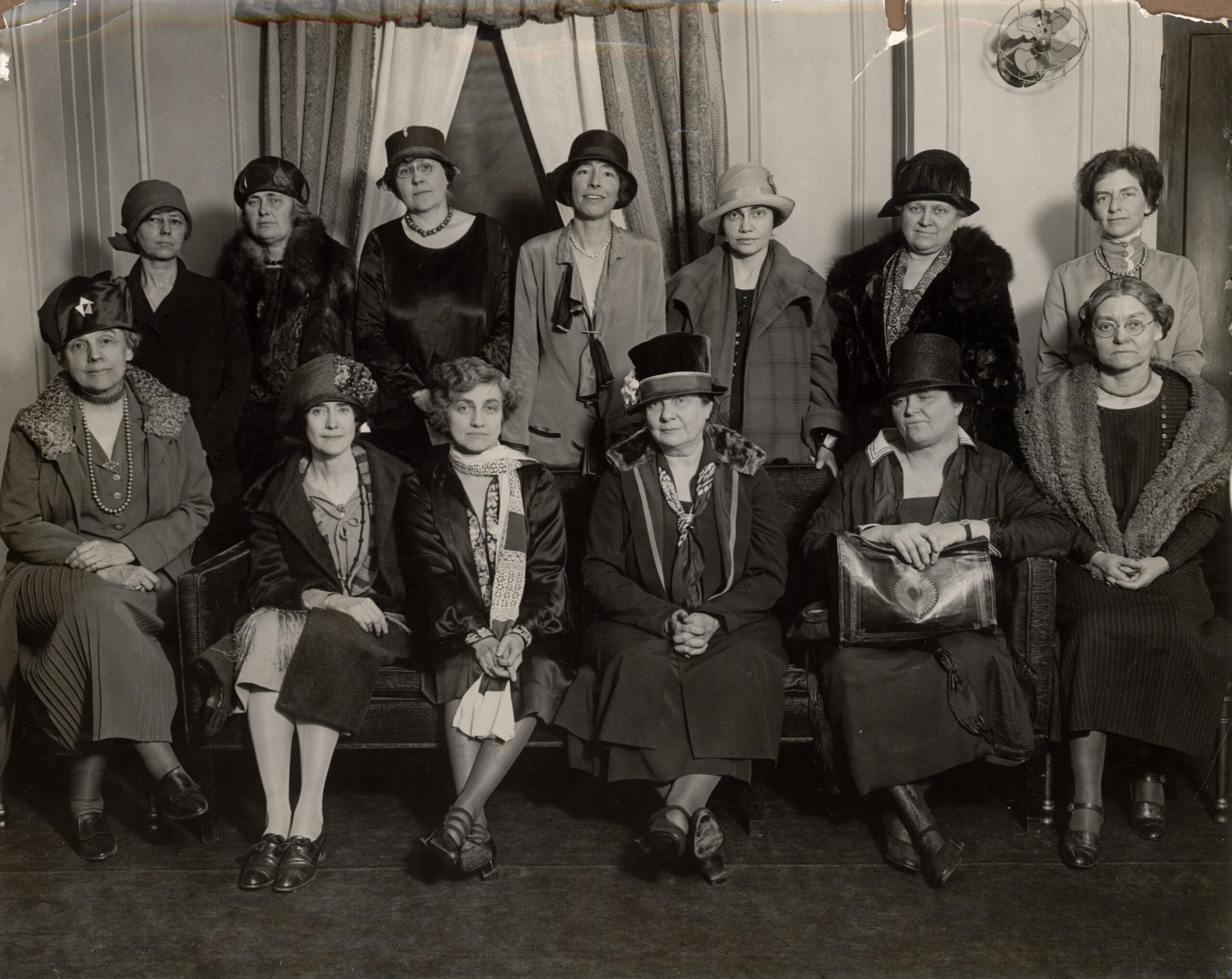
The suffrage movement was characterized by fervent determination and strategic activism, and the women of the early 20th century paid a hefty price for the strides they made. Behind the scenes were women like Susan B. Anthony, Elizabeth Cady Stanton, and Alice Paul, who marshaled grassroots movements and organized protests, in the face of derision, arrests, and even violence. Their indomitable wills forged a path leading to the ratification of the 19th Amendment, a legally binding affirmation that women deserved an equal role in the democratic process.
But we must ask ourselves: What does this victory represent in today’s context? The victories of yesteryears should not lull us into complacency; rather, they challenge us to reassess the state of women’s rights. In the aftermath of the initial triumph for suffrage, we must critically evaluate how inclusive the movement truly was. The rhetoric of the suffragettes was often interwoven with racial and class biases, leaving women of color and those on the socioeconomic fringes to fend for themselves. Thus, the question arises: does the initial empowerment of a select few obscure the ongoing marginalization experienced by many?
The Struggle for Intersectionality in Feminism
As we delve deeper into the implications of suffrage, we are propelled into the discourse around intersectionality—a term famously articulated by Kimberlé Crenshaw—acknowledging that the struggles bears a multifaceted nature that can’t be adequately addressed through a monolithic lens. The suffrage movement was predominantly white, and its leaders often sidestepped issues pertinent to women of color, thus perpetuating a systemic hierarchy within the movement itself.
Today, as we commemorate those who fought for the right to vote, we must recognize that this same struggle resonates with many who continue to face oppression—and it is imperative that we listen to their voices. The voices that echo from marginalized communities are not merely peripheral; they are critical to our understanding of feminism. From the experiences of Indigenous women to the challenges faced by Black women and immigrant communities, the modern feminist movement must embrace a collective narrative rather than a singular, often exclusionary, approach.
It’s in our current political climate that intersectional feminism finds its most tangible proof of necessity. Recent elections demonstrate how voter suppression tactics disproportionately affect marginalized groups. Filings of laws that restrict voting hours, purge voter rolls, and impose ID requirements reveal a disturbing trend: as history repeats itself, who is left behind continues to echo the failures of our past. Feminism today demands a vigilant stance against these regressions while advocating for inclusivity in both language and practice.
The Power of Voting in Shaping Feminist Narratives
As we reflect on the significance of September 6, 1920, it becomes evident that voting rights are not merely a privilege but a powerful instrument for social transformation. Historically, voting has enabled women to advocate for reforms in education, healthcare, and labor laws, effectively creating a ripple effect that addresses broader social issues. The premise of civic engagement warrants examination; if the core of feminist activism is about representing the silenced, then engaging in the electoral process is paramount.
Modern feminists need to galvanize support for transformative policies that align with the wishes and needs of the populace, particularly women and marginalized groups. Initiatives aimed at reproductive rights, equal pay, and anti-violence measures are not just policy discussions; they are deeply embedded within the narrative of who we are as a society. The very act of voting is a necessary counterweight to injustices faced by the most vulnerable; it embodies the ideals of equity and representation that feminists have long championed.
However, it’s essential to acknowledge that voting alone is not the panacea. Feminists must take a multi-pronged approach: while empowering individuals to cast their ballots, we must sustain advocacy efforts outside of electoral cycles. Attaining the right to vote was monumental, but it must be coupled with fostering civic awareness and facilitating grassroots mobilization. The feminism of today survives not just in the halls of political power but in the streets, in rallies, and in everyday conversations that ignite change.
A Future Funded by the Past
As we honor the founding feminists who fought for our right to vote on that fateful September day in 1920, we must also anticipate the evolving challenges that lie ahead. The contemporary feminist movement must not fully relinquish the original battle for voting rights but recast it within a broader spectrum of activism. Every stride made in securing women’s rights stands as a testament to resilience and necessity; every act of defiance against injustice embodies the spirit of those early suffragettes.
In conclusion, to honor the legacy of the founding feminists, activism must not be relegated to nostalgia; instead, we must carry their spirit into ongoing struggles. Recognizing the intersections of our identities informs our approach to allyship, solidarity, and collective empowerment. The struggle for equality may be rife with difficulties and contradictions, but just as those women courageously marched for their rights, the mantle now falls upon each of us to uphold the torch and illuminate the path for generations to come. Let us empower future feminists, ensuring that the battle forged on September 6, 1920, reverberates as a clarion call to action in the face of adversity.