Voter Disenfranchisement? The Threat of Separate Federal and State Voting Rules from a Feminist Perspective
The American democratic process is ostensibly built on the principles of equality and representation. Yet, the persistence of voter disenfranchisement reveals a troubling dichotomy that undermines these ideals. As feminist activists, we must delve deeper into the implications of separate federal and state voting regulations, particularly in the context of marginalized groups, especially women. This issue transcends mere legalities; it speaks volumes about societal values and the treatment of underrepresented populations.
The Ugliness of State-Sanctioned Disenfranchisement
Across the United States, disparate voting rules create a patchwork of regulations that often disenfranchise citizens based on their socioeconomic conditions, race, and, most critically, gender. Voter ID laws, felony disenfranchisement, and restrictive voting hours often intersect with issues uniquely impacting women. For instance, the additional burden of securing identification can disproportionately affect women, particularly those from marginalized communities. When regulations are laced with systemic biases, the very structure that is supposed to empower citizens becomes a vehicle for oppression.
This state-sanctioned disenfranchisement is not merely coincidental; it is a deliberate orchestration that reflects broader societal hierarchies. The legislative machinations that put these laws into place typically favor those in power—predominantly white, male legislators—while systematically silencing voices that diverge from their own. Ironically, these disenfranchising measures are often justified under the guise of protecting electoral integrity, masking the reality that the very integrity is compromised when significant segments of the population are excluded from participation.
The Intersectionality of Disenfranchisement
One of the most vital aspects of approaching voter disenfranchisement from a feminist perspective is recognizing the intersectionality of the issue. Women of color, LGBTQ+ individuals, and those living in poverty face compounded obstacles that not only limit their voting rights but also shape their entire existence. The feminist movement has long advocated for the dismantling of oppressive structures, and the fight against voter disenfranchisement is no different. It is imperative that we understand how gender, race, and class interplay within this fight to illuminate the necessity for comprehensive reform.
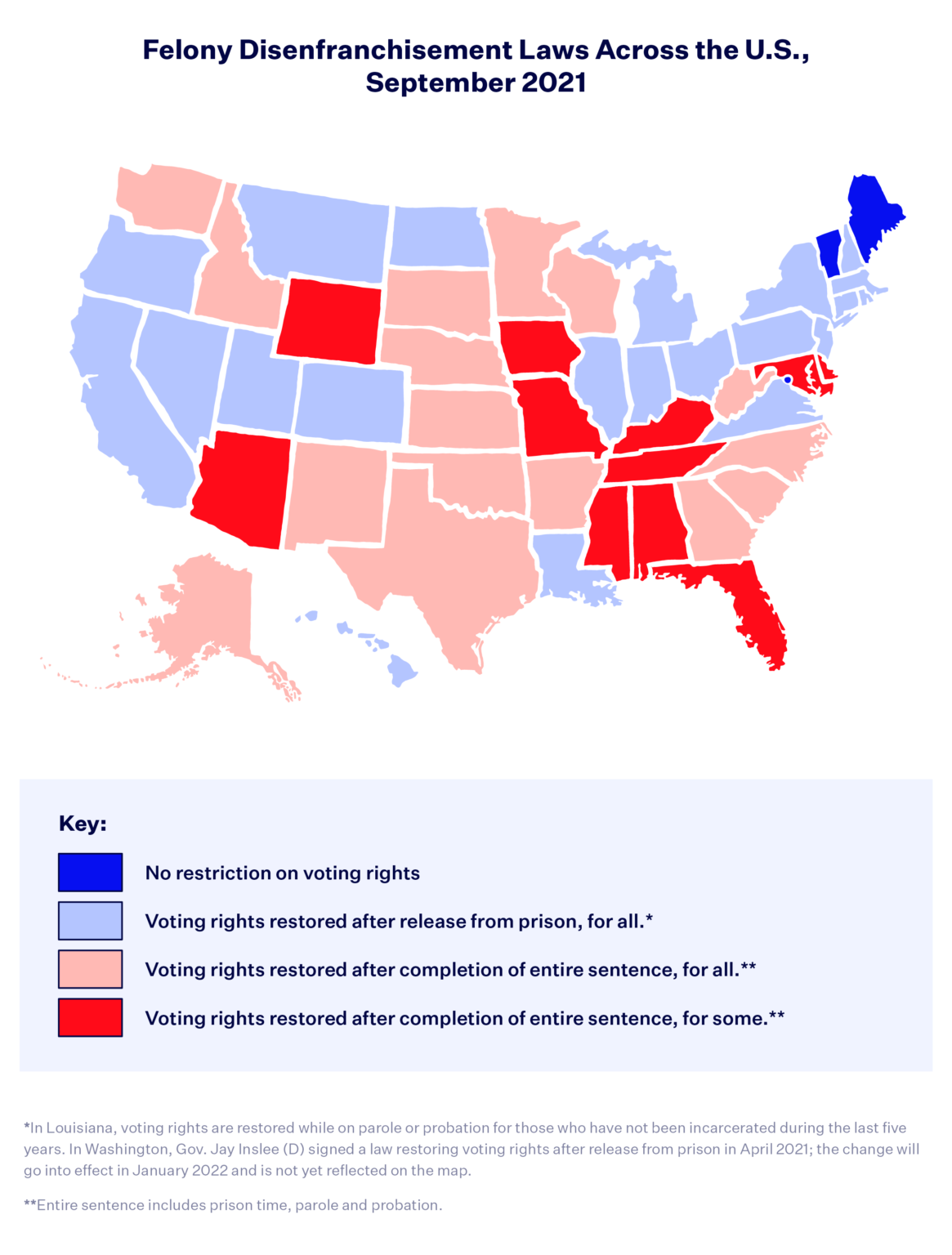
The recent wave of legislation aimed at undermining voting rights disproportionately harms women of color. Laws that bar individuals with felony convictions from voting are particularly insidious, as they target populations already marginalized by systemic racism and economic disenfranchisement. Moreover, the stark realization that women are only gaining marginal ground in political representation makes this intersectional lens even more critical. As feminist activists, we must project our voices against the tide of inequality, challenging not only the laws themselves but the cultural narratives that support them.
Federal Overreach or Necessary Regulation? The Debate
Federal intervention in state voting laws often elicits fierce debate. Proponents argue that the federal government has a crucial role in ensuring the protection of voting rights, particularly for marginalized groups. Conversely, detractors claim that such overreach threatens states’ autonomy, fostering a culture of resentment and resistance. However, when state laws actively restrict access to the ballot, the ethical obligation of the federal government to intervene becomes paramount.
Consider the recent legislative measure in Texas that requires voters to provide identification—a move that critics argue disproportionately affects women and minority groups. Are we to sit idly while state policies manifest blatant inequalities under the guise of local governance? Or should the federal government step in to safeguard the most fundamental democratic right? The answer seems clear, yet the political atmosphere is fraught with contention. Women’s voices must resonate in this discussion, demanding that the federal government boldly protect voting rights rather than cede to states that perpetuate inequities.
The Role of Advocacy and Activism
Activism plays a critical role in challenging the status quo of disenfranchisement. Grassroots movements led by women of diverse backgrounds are pivotal in reshaping the conversation. These initiatives not only advocate for policy changes but also educate voters about their rights and ignite enthusiasm for participation in the democratic process. It’s vital to recognize that activism does not merely exist in the streets; it also infiltrates the digital landscape. Social media platforms have become battlegrounds for awareness and mobilization, offering creative outlets for expressions of dissent against voter suppression.
Women-led organizations are increasingly uniting to combat voter suppression. Whether through collective lobbying, orchestrating campaigns to educate the public, or fostering coalitions, the feminine spirit of resilience is compelling. We must support these movements, amplify their voices, and work collaboratively to ensure that everyone has a fair opportunity to exercise their right to vote. With strategic coalitions, we can challenge the legislative body’s status quo, making it evident that disenfranchisement will not go unopposed.
Creating a Vision of Inclusivity
Envision a future where every citizen, regardless of gender, race, or socioeconomic status, possesses unimpeded access to the ballot. This vision is attainable, but it requires a concerted effort from activists, legislators, and, most importantly, the populace. By advocating for inclusive policies that dismantle discriminatory practices, we position ourselves to create a more equitable democratic system.
The fight against voter disenfranchisement must become a central tenet of the feminist agenda. Elevating the conversation, integrating with other justice movements, and acknowledging the intersectionality of experiences is crucial. It’s about ensuring that the rights of one group do not overshadow the rights of another. This intricacy makes feminism not just a women’s issue but a human issue, intricately woven into the fabric of our society’s future.
Feminism is about dismantling oppression in all its forms. Voter disenfranchisement is a glaring manifestation of this oppression. The fight for voting rights is not just a political battleground; it is a moral imperative that underscores our commitment to justice and equality. Movements toward reform must be informed by the nuanced experiences of those most affected, and as feminists, our advocacy should ensure that every voice is heard, every vote is counted, and every person is represented. The power lies within collective action, and the time for mobilization is now.