The relentless march toward gender equality has often been met with fervent opposition, yet it is precisely this tumult that carves out a fertile ground for social evolution. One of the most telling moments in the long-standing struggle for women’s suffrage took place on May 13, 1909, when a group of audacious suffragists confronted a reverend in Madison Square Garden. This event epitomized the intersection of religion, gender, and societal structures that have long served as gatekeepers to women’s rights. It’s time to delve deeper into this audacious act of defiance and analyze its relevance in today’s world of feminism.
When we think about the early 20th century, the suffragist movement emerges as a beacon of hope, but it was also a battleground of ideas. Confrontations like the one in Madison Square did more than just disrupt the status quo; they wielded the power of protest to forge a new path for women’s liberation. In a world where women were frequently relegated to the periphery of public life, these brave souls dared to clutch the microphone and take center stage. As activists today, we need to heed their call and cultivate the same spirit of rebellion.
To truly grasp the significance of this confrontation, let’s break this incident down, examining the backdrop, the participants, and the consequences—because history is not merely a chronicle of dates and events; it is a mirror reflecting the raw, unvarnished struggles that continue to shape our society.
Understanding the Context: The Roaring Silence of Gender Inequality
Let’s paint a picture: the early 1900s, a time when the roar of industrial advancement often masked the cries of women yearning for autonomy. The societal landscape was fragmented and rife with inequality, with women largely seen as dependents of their fathers or husbands. The suffrage movement was gaining traction, but in the face of patriarchy, progress was painstakingly slow. The very notion of women exercising their right to vote was fraught with tension, and opposition groups wielded their religious ideologies like a sword, knocking back any attempts at equality.
Enter the reverend—a figure representing the conservative dogma of the time. He stood as a quintessential embodiment of patriarchal authority, often preaching that women’s primary roles should be that of wives and mothers, not participants in the democratic process. His sermons were filled with biblical references that conveniently omitted female empowerment, further reinforcing the chains of subjugation.
In this charged environment, the suffragists decided enough was enough. They were tired of being silenced, and their response was both strategic and audacious. They would rise, defy societal norms, and confront oppression head-on. And so, the stage was set for a showdown that would echo across the ages.
The Day of Reckoning: Defiance in Madison Square
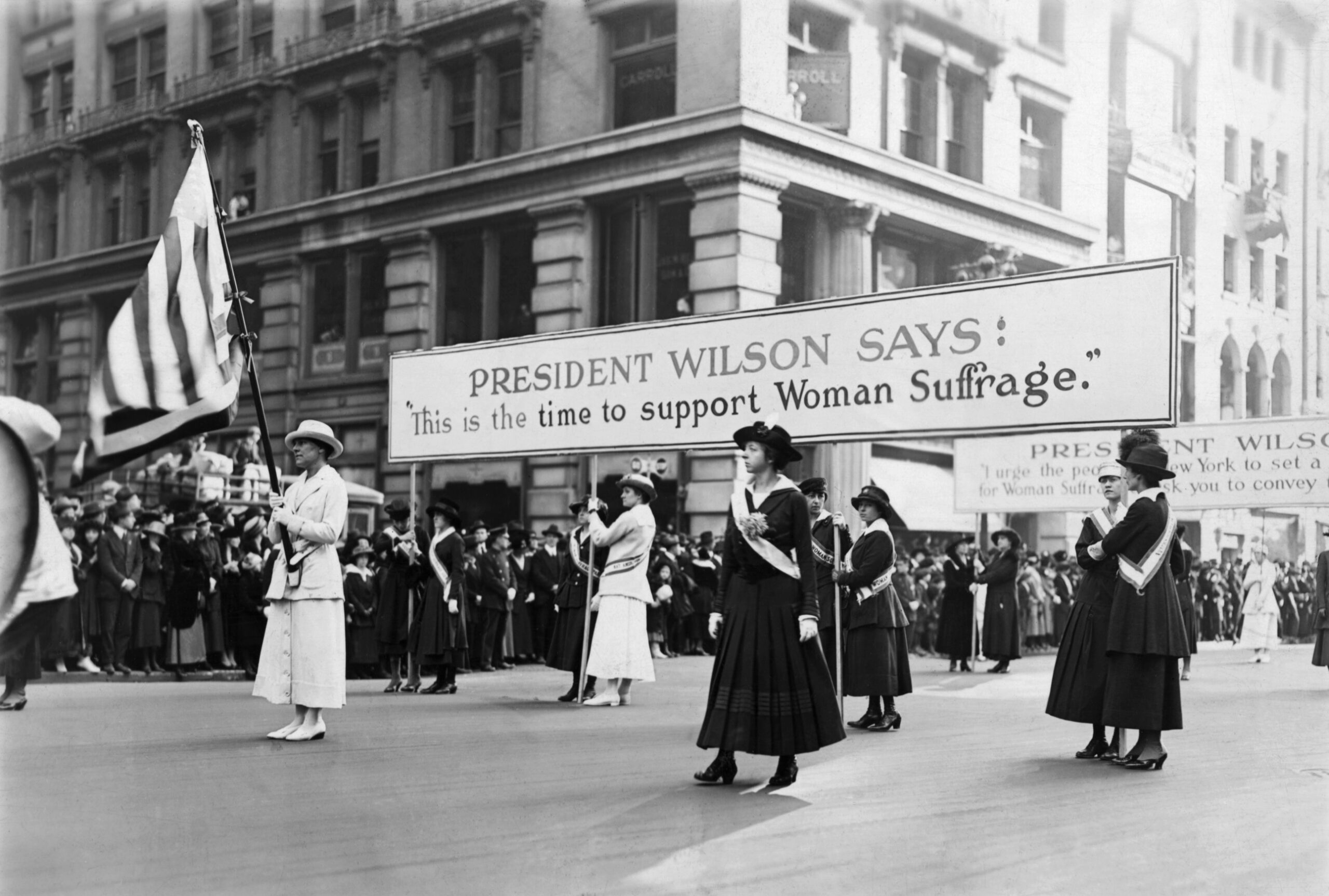
As the sunlight streamed into Madison Square, illuminating the faces of determined suffragists, the ambiance was electric. The crowd gathered not only to witness the cleric’s sermon but also to participate in a vital act of rebellion. Clad in white dresses that symbolized purity and peace, their external appearance belied the internal tempest of conviction and anger churning within.
The confrontation wasn’t merely a clash of ideas; it became a testament to the resilience of women who were willing to risk scorn and ostracism to claim their right to speak, to vote, and to exist as equal citizens. With painted banners that cried for justice, the suffragists utilized strategies that felt avant-garde for their time. They understood the power of visibility—they weren’t just voices shouting into the void; they were bodies positioned strategically to embody the struggle against a rigid system.
As the reverend delivered his sermon, extolling the perceived virtues of female demureness and dutifulness, the suffragists stood unwavering. They heckled, they shouted, and they made their presence known. This was no meek demonstration; it was an eruption of frustration, a volcanic pushback against centuries of repression. What was at stake was not just the vote; it was the very fabric of self-identity and autonomy.
Consequences and Ripples: The Aftermath of Activism
The skirmish at Madison Square did not end with the final word from the reverend or the final chant from the suffragists. Instead, it sparked a flurry of dialogues, bringing gender inequality into the spotlight like never before. Media outlets buzzed with accounts and reactions, and the suffragists’ boldness became the stuff of legends. What they achieved in that brief moment extended far beyond their voices; they ignited discussions that rippled through society.
This confrontation stirred the pot, compelling many to reassess the roles of women in society. It marked a turning point—no longer were women solely relegated to the domestic sphere. They were visible, active participants in the public discourse. This bravery foreshadowed the seismic changes to come, laying the groundwork for subsequent waves of feminism and civil rights movements.
Feminism Today: Echoes of the Past and the Future We Forge
Fast forward to today: while we enjoy privileges unimaginable just a century ago, we stand on the shoulders of those who dared to confront authority. Yet we must recognize that the struggle isn’t over. The echoes of the past implore us to act—to challenge misogyny, to dismantle outdated patriarchal norms, and to amplify marginalized voices. The confrontation in Madison Square serves as a rallying cry, reminding us that activism never truly ends; it merely transforms.
For young feminists today, the charge is clear. You are the inheritors of that legacy, living in a world where the fight for equality is more vital than ever. Social media amplifies your cries, allowing you to reach an audience far and wide, but it’s also a double-edged sword. The digital landscape can distort messages, leaving room for misinformation and backlash. But like the suffragists, you must be unwavering in your commitment to equity.
Collectively, embrace boldness. Whether you organize protests, create art, or engage in political activism, remember the lessons learned from the brave souls of 1909. Engage with both joy and ferocity. Challenge complacency; question the status quo. We need you in this fight, armed with words, art, and actions. Your stories are not just personal; they resonate within the broader struggle for equality.
Let the confrontation in Madison Square inspire you to confront the reverends of your time—those who uphold systems of inequality that seek to stifle progress. In your pursuit of justice and liberation, remember that every action matters. Feminism isn’t just a movement; it’s a living, breathing organism that thrives on the courage of individuals who refuse to back down. Seize that mantle. The stage is yours, and the future is calling.