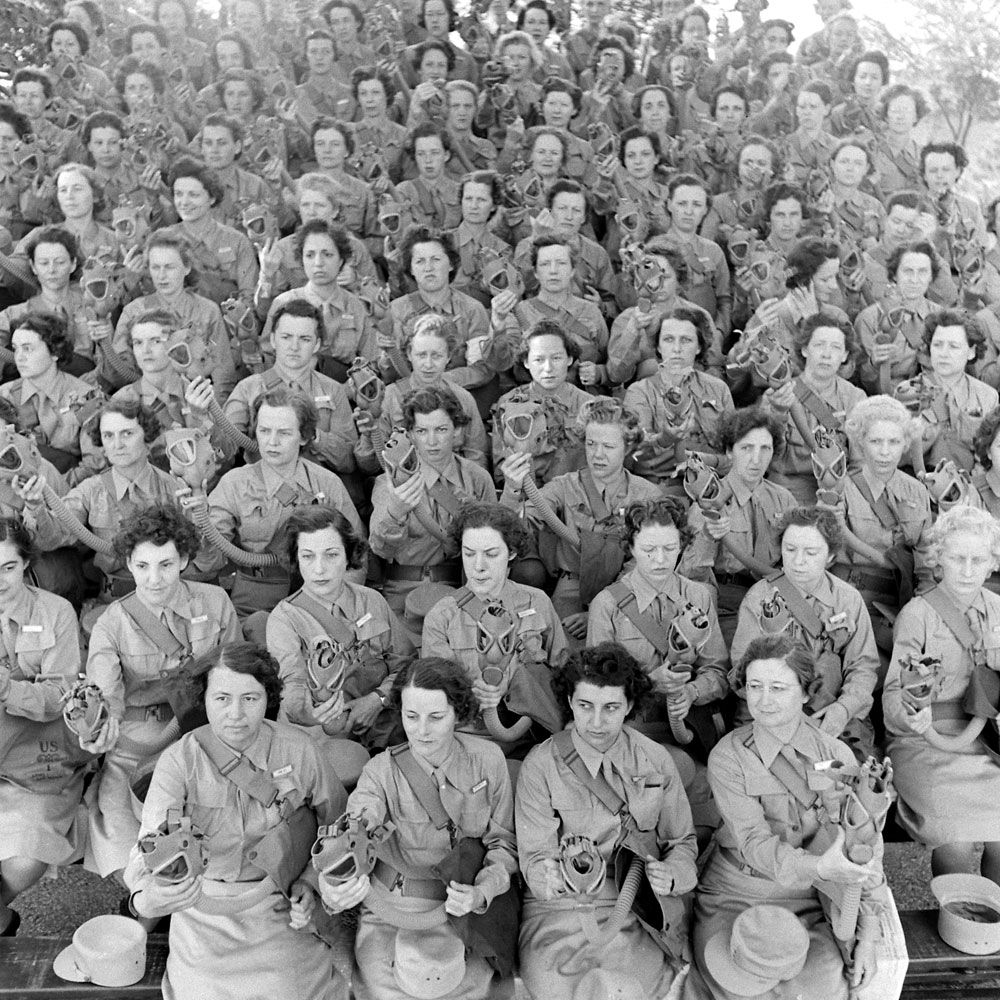
On May 12, 1942, the United States Congress enacted a historic decision that would alter the landscape of gender roles, not just during the tumultuous times of World War II, but for generations to come. The establishment of the Women’s Army Auxiliary Corps (WAAC) was a pivotal moment—a radical departure from the rigid confines of traditional femininity, challenging societal norms and expanding the horizons of women’s capabilities. This event is not solely a tale of functional necessity during a time of war; it’s an emblem of feminism, an indelible commitment to equality, and a step toward dismantling the patriarchy.
Today, as we cringe at outdated stereotypes that still pervade our culture, we must look back at the WAAC, viewing it through a contemporary lens to appreciate its far-reaching implications for women’s rights and societal change. The echoes of history remind us that the fight for equality is ongoing, and understanding the past equips us to confront present inequalities with vigor.
So let’s delve into the transformative journey that began on that fateful day. Buckle up; we’re about to explore the awakening of a feminist force and how the Women’s Army Auxiliary Corps paved the way for future movements.
The Dawn of Change: Gender Roles in Crisis
The early 1940s were tumultuous—a world lit ablaze by war, with men shipped overseas to face peril. Yet, in this chaos emerged an opportunity. Women had been confined to the domestic sphere for generations, but with the vacuum left by men heading to war, society was forced to reckon with the capabilities of women. The war demanded labor, intellect, and perseverance—traits that dared to escape the suffocating corsetry of traditional gender roles.
The WAAC wasn’t just about filling gaps in military operations; it was a bold declaration that women could serve their country with the same dedication and valor as their male counterparts. Picture this: women engaging in roles far removed from the kitchen and sewing room—these brave souls were driving vehicles, operating machinery, and even managing complex logistics. With every uniform worn, a quiet rebellion emerged, challenging an insipid status quo that long relegated women to the sidelines.
This critical response to a national crisis laid the groundwork for a broader dialogue about women’s rights and societal roles. The very act of women stepping into positions of authority—however localized—began to pivot perceptions. We must acknowledge that this wasn’t simply an act of patriotism, but a seismic shift in understanding women’s rights as human rights. They weren’t just “auxiliaries”; they were integral to the war effort, thus asserting their place in history.
Bravery Redefined: The Women Who Served
The enlistees of the WAAC were an eclectic tapestry of American society—nurses, teachers, secretaries, and homemakers. Each woman brought her own unique talents and perspectives, shattering the monolithic view of femininity. These women were not fragile creatures; they were intrepid explorers of new realms, forging bonds of camaraderie that transcended societal divisions. As they donned their uniforms, they embraced a narrative that intertwined duty with profound ambition.
Picture the tenacity of these women who joined the ranks, leaving their homes and families, many for the first time in their lives, to stand shoulder to shoulder with their male counterparts. It wasn’t merely about filling vacancies; it was about redefining bravery itself. While valor is often romanticized in the context of the male soldier, these women operated in a dichotomy; they fought against the enemy from the front lines of masculinity and patriarchy. Their struggle was not limited to foreign battlegrounds; it took place at home as they shattered ceilings made of glass, heat, and expectation.
Furthermore, the formation of the WAAC wasn’t just a military initiative; it was a social experiment with lasting implications. Women learned to navigate power structures, hone their skills, and cultivate a sense of agency. The skills garnered during their service would not only fortify their post-war roles but also inspire future generations to assert ownership over their destinies.
Legacy and the Road Ahead: Feminism’s Unfinished Mission
The Women’s Army Auxiliary Corps serves as a profound testament to what women can achieve when barriers are demolished. Yet, the road did not end with the cessation of combat. The legacy of these trailblazers warns us against complacency. Gender equality is not merely a historical tale; it is an unfinished ambition that beckons us forward into today’s context.
The lessons learned, the doors pried open, and the rights fought for by these women echo in contemporary movements such as #MeToo and Time’s Up. The WAAC fortified the notion that women should have equal access not only in the military but in all spheres of life: politics, business, and leadership. To dismiss the WAAC as a mere augmentation to wartime efforts minimizes the essential narrative of women asserting their rights and challenging an archaic worldview.
As much progress as we have made, we must remain vigilant and engage in an ongoing critique of gender inequities. The ozonizing clouds of misogyny still persist in our culture, manifesting in wage gaps, underrepresentation, and the grotesque violence perpetuated against women. The establishment of the WAAC serves both as a celebration of victories and a wake-up call to continue the struggle. If we are to honor those women of the past, we must revisit the lessons of their courage, triggering a mobilization to fight for a future where all women are duly respected and recognized.
Every time women stand up, every time they assert their existence, they are lighting a metaphorical torch, born from the embers of the WAAC. Young people today must recognize that the struggle for equality is a legacy to inherit, not a burden to bear. It’s not just about women’s rights; it’s about human dignity, social justice, and creating a world molded by gender equity.
So, as you reflect on the audacious women who donned military uniforms during World War II, remember that their sacrifices and struggles nourish the roots of today’s feminist movement. To honor them is to understand our collective power—to persist and advocate for a more equitable world. As we tread into this uncertain future, let us rise and reforge the narrative, setting the stage for an informed, inclusive, and empowering society for all.