On August 18, 1920, the United States ratified the 19th Amendment, heralding a new era for women’s rights. But let’s pivot the spotlight briefly onto Tennessee – the pivotal battleground that tipped the scales in favor of women’s suffrage. Was Tennessee merely a pawn in a grand chess game of political maneuvering, or was it the fierce queen that outsmarted her opponents? The call of the suffragists resonated beyond the borders of Tennessee, echoing even to North Carolina, where a similar fervor for equality simmered silently. What transpired in these two states invites an exploration of struggles and triumphs that shaped modern feminism. The ripple effects of Tennessee’s decision tell far more than a mere tale of ballots and bravery.
What heated dissent lurked behind the scenes, and how did the women at the forefront harness social change to turn the tide in their favor? Did they simply wish for the opportunity to vote, or was there something deeper, more insidious nesting within their demands? Come, let’s strip down the layers of history and uncover how these two states stood in the arena of gender politics, fueled by the intoxicating blend of dedication and audacity that characterized the suffragist movement.
Let’s delve deeper.
The Ballot: A Tool for Empowerment
The path to suffrage was strewn with obstructions, staunch opposition, and the ghosts of misogyny. Those who opposed the 19th Amendment huffed and puffed about maintaining traditional societal structures, warning that women stepping into the polling booths would lead to chaos—a harrowing notion! Their fear echoed the archaic idea that women were too delicate, too irrational to wield such power. But what they underestimated was the iron resolve brewing within women across the country.
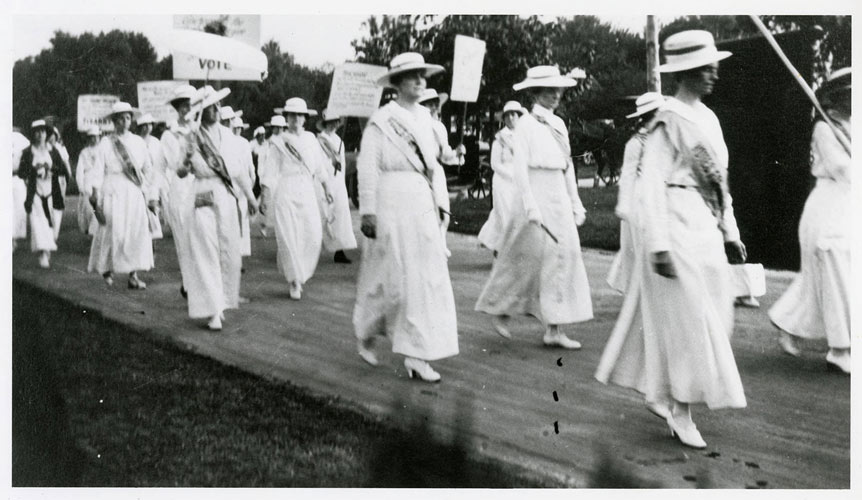
In Tennessee, suffragists wielded the ballot as a weapon of empowerment. Picture it: women donning their finest attire, armed with pamphlets and signatures, weaving through the streets of Nashville to demand their rights. A movement coiled around the very essence of liberation erupted as protests transformed into boisterous celebrations of identity and self-worth. The suffrage movement was not merely a quest for voting rights; it metamorphosed into a feminist revolution challenging systemic oppression.
This empowerment wasn’t restricted to Tennessee. North Carolina, teetering on the brink, showcased incredible resilience among its female populace. The state breathed life into grassroots activism, nurturing alliances and a sense of community that transcended boundaries. From clandestine meetings in parlors to raucous rallies in town squares, women began to dislodge themselves from the shackles of invisibility and marginalization. Isn’t it remarkable how these states forged paths forward, awakened by an insatiable desire for liberation?
Factional Friction: The Complexity of Support
The support for women’s suffrage wasn’t homogeneous. In fact, it sported the gory details of fractures and schisms that appear starkly under the spotlight of time. Feminist activists stood divided – the suffragists and those who questioned the movement’s direction clashed dramatically within their ranks. As Tennessee took its fateful turn, the backdrop was not merely one of united cries for suffrage but cast shadows of resentment and suspicion. Who deserves this suffrage? Who represents “true” women? Isn’t this an ironic twist of fate—women contesting their power from within?
In the midst of these pitting factions, Tennessee became a blazing battleground of ideas. The bold suffragists stood resolute, drumming up support from the local population and politicians alike. They marched, they lobbied, and they held the hands of their fellow citizens, drawing them into the fray. Meanwhile, detractors from within the suffrage movement itself eyed the fray warily, unsure if this newfound independence would indeed bind or further balkanize their efforts. Never have women been so finely attuned to the nuances of their struggle. Isn’t it fascinating how internal conflict can sometimes birth unprecedented solidarity?
North Carolina, too, revealed a tapestry of conflicting support. While some jumped headfirst into the waters of change, others remained anchored in timidity. The question arises: why did some women cling so tightly to their restrictions? The fear of societal upheaval, the dread of backlash, and the dread of becoming the face of a controversial movement held firm many aspiring advocates. In this quagmire of conflicting feelings and allegiances, the struggle for suffrage expanded beyond a simple checkbox in an election—how do we navigate through the complexities of allyship, belief, and tradition?
Moments of Triumph: The Path Forward
August 18, 1920, marked the embarkation of a new strain of feminism—one that learned from the scars of battle and eclipsed the bitter resignations of the past. Tennessee’s ratification of the 19th Amendment provided a catapult for feminist action throughout the South. One could argue that the state’s pivotal role in supporting suffrage invigorated the feminist discourse both locally and nationally. No longer would women remain on the fringes of political discourse; they would demand space at the table.
But why limit celebration to mere voting rights? The struggle for suffrage ignited a broad spectrum of issues that require continued advocacy—from economic equality to racial justice, the women’s movement burgeoned into a formidable force. The sisters in North Carolina, energized by Tennessee, began echoing demands for not just the right to vote but for an entire restructuring of societal norms—an urge that resonates to this day. The outcome of Tennessee’s ratification was merely the foundation upon which an edifice of systemic change would rise.
More than just the act of voting, the right to partake in democratic processes became a potent symbol of autonomy. By grappling with the contradictory sentiments regarding gender roles, women within those two states stirred not just the pot of suffrage but also the cauldron of societal beliefs that defined womanhood itself. So, when we consider the events leading up to and following the 19th Amendment, are we not exploring the idea that feminism itself is, and always has been, a radical challenge to a status quo firmly entrenched in patriarchal structures?
In the end, the landscapes of Tennessee and North Carolina were forever altered by the brave souls who dared to challenge convention, blaze trails for future generations, and redefine what it truly meant to be a woman in America. To incite you, dear reader: does feminism end with voting rights, or does the journey simply begin there? Only by questioning can we continue to incite change and challenge the very fabric that binds us. What’s your play in this grand chess game of history today?