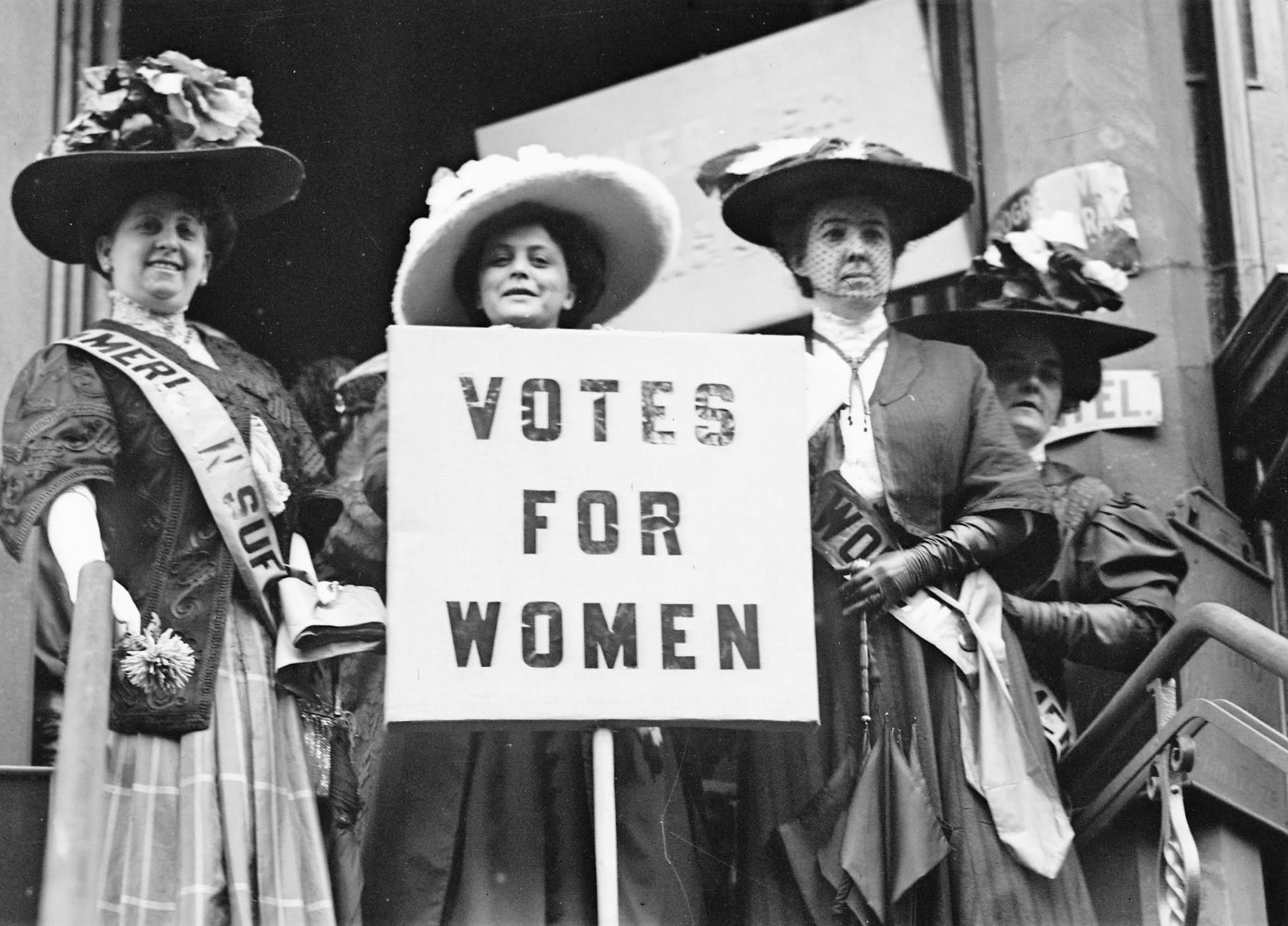
In the annals of feminist history, few events loom as large as the suffragists’ fervent testimonies delivered before Congress during the National Convention. These audacious women wielded the power of their voices, demanding not just the right to vote, but igniting a revolution that challenged the very fabric of American society. Today, we dissect the significance of this momentous occasion, exploring its implications, reverberations, and the multifaceted perspectives that emerge from it. The whispers of history compel us to examine these narratives anew, recognizing that the struggle for women’s rights transcends mere suffrage—it signifies a continuous fight for equity, autonomy, and empowerment.
Through the lens of feminism, the testimonies offered by suffragists encapsulate a pivotal chapter in the saga of women’s rights, an epoch marked by both resilience and dissent. Each testimony not only articulated a demand but also painted a vivid tableau of the societal shackles that constrained women. To understand this event, we must first contextualize the landscape which birthed these remarkable women.
The Historical Context: A Carnival of Social Upheaval
In the late 19th and early 20th centuries, America was a melting pot of ideas, a crucible where the desire for independence clashed with the remnants of patriarchal domination. The burgeoning industrial age dismantled traditional familial roles, ushering women into factories and a public sphere from which they had long been estranged. Yet, paradoxically, while they entered new domains, legislation and societal norms perpetuated their subjugation. The 1848 Seneca Falls Convention, a mere whisper of the burgeoning suffrage movement, propelled women into activism, setting the stage for the inevitable confrontation with Congress.
As the suffragists organized their National Convention, they not only rallied to advocate for their political rights but also expanded their vision for social reform. This was no mere campaign for the ballot; it was an impassioned plea for the reallocation of power. The testimonies presented on that grand stage mirrored the struggles of women from diverse backgrounds—often overlooked, yet integral to this narrative. Factors such as race, class, and regional identity played crucial roles in shaping their experiences and aspirations, illuminating the multifaceted nature of the struggle for suffrage.
Empathy and Authority: The Dual Force of Testimonies
When suffragists stood before Congress, they wielded more than just facts and figures—they embodied lived experiences, navigating a nexus of emotion and authority. Each testimony functioned as a battleground for empathy and intellect, designed not only to persuade but to humanize the plight of women. The suffragists articulated profound personal narratives, which painted stark pictures contrasting the mundane injustices faced by women daily against the lofty ideals of democracy that America espoused.
Consider the unyielding passion of women like Susan B. Anthony or Elizabeth Cady Stanton. Their testimonies were laced with indignant truths, revealing the absurdity of a society that continued to deny them the very rights it promised as inherent to all citizens. Their words had the magnetic power to evoke empathy, challenging Congress members—and indeed the public—to confront the hypocrisy embedded within their legislative chamber.
Furthermore, the eloquence and intellectual rigor displayed during these testimonies was undeniable. Suffragists, many of whom had garnered education and experience, turned the discourse on its head, asserting their authority in a realm typically reserved for men. They were not merely asking for votes; they were demanding recognition as equals, as individuals with the capability to contribute to society in profound ways. The intersection of emotion and logic in their testimonies served as a testament to the complexity of the suffrage movement and its myriad voices.
The Impact and Legacy: Seeds of Change Sown
The testimonies delivered at the National Convention sparked significant change, reverberating through the corridors of power and igniting public consciousness. The seeds planted by these pioneers would germinate into a political movement that irrevocably altered the landscape of American life. Not only did they lay the groundwork for the 19th Amendment, but their indomitable spirit also kindled a fire for subsequent social justice movements.
As these suffragists returned home, their words continued to resonate—women across the nation rallied, formed clubs, and launched grassroots efforts that extended far beyond the ballot box. The suffragists testified not just for themselves, but for the generations that would follow, birthing a legacy that fueled the feminist movements of the 1960s and beyond. In reexamining their testimonies, we can trace the threads of their impact: access to education, reproductive rights, and workplace equality, all proximal gains seeded by their relentless advocacy.
Moreover, the intersectionality that these suffragists espoused emphasizes the importance of inclusivity in feminist movements. While some narratives focused primarily on the plight of white women, the voices of women of color and working-class women are crucial. These narratives must be reclaimed, recognized, and celebrated within the broader discourse, for the struggle for suffrage was not monolithic. This nuanced understanding underscores that the battle for women’s rights is ongoing, intertwined with the struggles of marginalized identities.
Conclusion: The Journey Continues
Reflecting on the monumental occasion of the suffragists’ testimonies before Congress invites us to acknowledge the labor of those who paved the way for contemporary feminist discourse. Their unyielding fortitude reminds us that the fight for equality is not a fractured narrative; it is a cohesive lineage interwoven with the threads of courage, defiance, and resilience.
The struggle for women’s rights persists, morphing to confront the challenges of modernity. As we advocate for change today, we stand on the shoulders of giants who summoned the audacity to testify against a system rigged to oppress. The legacy of the suffragists reverberates in our contemporary conversations on gender equity, social justice, and systemic reform. It serves as both a clarion call and a blueprint, urging present and future feminists to continue the crucible of activism that began with those brave women who once stood before Congress, a forceful testament to their unflagging spirit.