In the annals of feminist discourse, the phrase “Oh Sisters, My Sisters!” reverberates with an urgency that transcends generations. It beckons us to contemplate not only the triumphs we’ve achieved but also the perils that lurk in the shadows of our progress. Is the feminist movement nearing its culmination, or are we merely at the dawn of a new epoch? The question hangs in the air like a charged electric current, provoking thought, reflection, and perhaps, dissent. In this exploration, we shall dissect the layers of this discussion, challenging both the progress made and the battles yet to be waged.
Let’s begin with a sobering acknowledgment: Feminism has led to monumental shifts in societal structures and norms, yet it faces formidable obstacles that threaten to undermine its very essence. To assert that the end of feminism is nigh is not to diminish the movement’s significance but rather to illuminate the precarious nature of its achievements. We find ourselves at a crossroads; one path leads to further emancipation while the other veers towards regression. Where do we go from here?
To dissect the contemporary feminist landscape, we first need to examine the multifaceted nature of feminism itself and how it has evolved over the decades.
The Evolution of Feminism: A Tale of Struggles and Triumphs
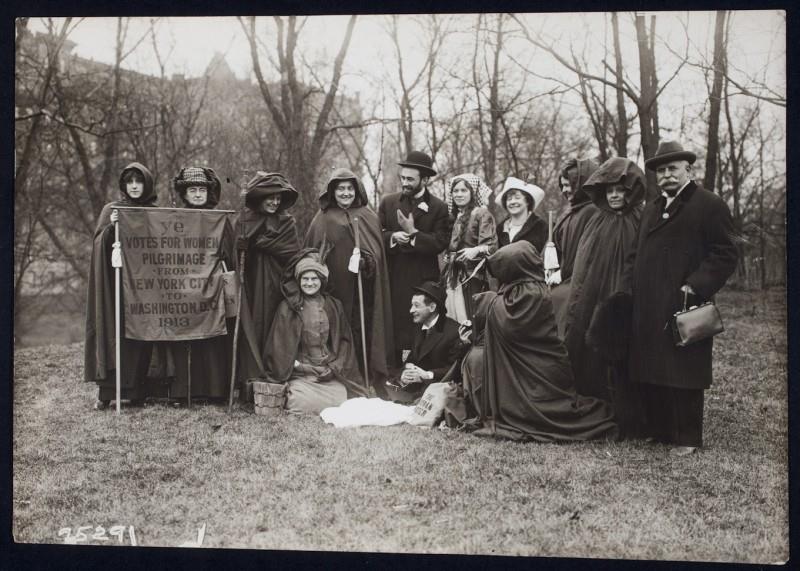
Feminism, in its quest for equity, has undergone several metamorphoses. From suffragettes to second-wave feminists advocating for reproductive rights, each wave has been propelled by the unyielding spirit of women determined to dismantle patriarchal structures. Yet, the evolution of feminism also invites scrutiny of its fractious nature. Current discourse often reveals factions that splinter off from grace, distracting from the broader mission. What has been gained in the struggle? And what remains elusive?
The modern feminist movement, characterized by intersectionality, aims to include voices often marginalized within the bigger narrative. Women of color, LGBTQ+ individuals, and those from varying socio-economic backgrounds are rightly demanding a seat at the table. So, while we pride ourselves on a more inclusive feminist agenda, the clamor for representation also raises critical questions: Are we inadvertently diluting the potency of our fight by focusing on disparate issues? Or can this inclusivity propel us to new heights, synergizing our collective struggles against the male-dominated status quo?
Therein lies the paradox of the feminist movement: While it undeniably challenges conventions and champions empowerment, it also exposes the vulnerabilities within its ranks. The fracture manifests as an internecine struggle where allies become adversaries in the quest for whose experiences matter most.
The Digital Age: A Double-Edged Sword
With the advent of the internet, feminism has entered a digital renaissance—an expansive laboratory of ideas and coalition-building. Social media platforms have become the battlegrounds for feminist discourse, where hashtags like #MeToo and #TimesUp echo global solidarity. Chemical reactions of activism ignite via viral posts, spreading awareness and galvanizing support like wildfire. Yet, this digital evolution also presents challenges. Does the ease of virtual advocacy dilute the depth of commitment required for tangible change? Many have lauded the ‘clicktivism’ phenomenon—where social media engagement can often overshadow traditional, more arduous forms of activism. Are we, in our frenzy of online protest, losing sight of the grassroots work essential for real-world impact?
Moreover, the digital age can simultaneously transform patriarchal narratives while perpetuating them. Algorithms drive conversations and dictate visibility, often favoring voices that echo mainstream ideologies while silencing radical notions. Are we crafting a feminist utopia or merely a hologram of solidarity that flickers without essence? In this space where awareness is as easy to generate as it is to consume, the hustle for meaning escalates. Ultimately, we must ask ourselves: Is our digital framework empowering us, or are we simply participants in a commodified expression of ‘feminism’?
Gendered Backlash: A Resurgence of Patriarchal Control
As we maneuver through this digital landscape, we must confront a grim reality: a gendered backlash is rising. Reactionary factions seek to undermine the strides made by feminist advocates, positioning themselves as defenders of traditional values. Policies aimed at restricting women’s rights regarding reproductive health and gender equality are being implemented in various political climates. It’s a clarion call for feminists to not merely react but also to strategize with ambition. Yet, herein lies the dilemma of our present condition: with adversaries regrouping and fortifying their positions, can we rally sufficiently to counter the encroaching darkness?
This regressive movement toward patriarchy poses a challenge not just to women but to the very fabric of society. If we view feminism as the fulcrum of societal change, its unraveling signifies more than a setback for women; it threatens the cultural advancements society has made in terms of equity and justice for all marginalized groups. The feminist movement cannot afford complacency; activism cannot be relegated to the annals of history if we wish to safeguard the hard-won victories.
Hope, Discontent, and the Path Forward
If we peer into the murky abyss of current affairs and bleak statistics that bespeak ongoing gender inequality, it is easy to succumb to despair. Yet, within the depths of discontent lies the potential for action. Embrace the challenge; the end is not here yet. The narrative we sculpt today will determine the trajectory of the movement tomorrow. As we gather our strength, it is vital to channel our frustrations into unified efforts that transcend the silos of feminism. We must invite collaborations that serve our interests collectively and critique the mechanisms that oppress us.
Moreover, engaging with newer generations is crucial. Young activists exude raw passion and creativity, often bringing innovative solutions to age-old issues. Their voices and visions must not be stifled or overshadowed by past paradigms. Instead of battling within our ranks, let us forge intergenerational alliances, melding experience with youth’s fervor to craft a more resilient movement. Do we dare to embrace this challenge, or will we simply succumb to the pitfall of infighting?
In herstrory, we have lived through transformative shifts that have altered the course of society. The struggles etched in our collective memory are goldmines for learning. Feminism, with its kaleidoscopic dimensions, is ever-evolving, often defying the confines of human comprehension. The end of feminism—as a movement, a thought process, or a revolutionary cry—is a mythical construct. So, dear reader, rather than looking toward an endpoint cloaked in nihilism, let us envision a future rich with possibilities. Stand bold! Disrupt the status quo! Let us not whisper “Oh Sisters, My Sisters,” but rather shout defiantly for equality, equity, and a world from which patriarchy has been forever banished.
As we rally together, remember: the end is never “near.” Rather, every yesterday is the foundation upon which we build tomorrow, a testament to our relentless spirit and unwavering commitment to the cause. Will you answer the call?