It’s time to wake up and smell the coffee, America! The plight of Afghan women and girls has not just been an inconvenience but a harrowing reality. President Obama, although no longer residing in the Oval Office, remains a pivotal figure in shaping perceptions and policy even beyond his presidency. It’s time to urge him, and indeed all influential leaders, to wake up to the grave issues facing Afghan women and girls today. The world is watching, and inaction is complicity.
Feminism is more than a movement; it is a manifesto for justice, equality, and the rights of those who have been historically marginalized. As you read this, countless Afghan women stand on the precipice of despair, longing for voices of support in their darkest hours. We must implore President Obama to channel his considerable influence and mobilize resources, advocacy, and international pressure to safeguard the rights and safety of these women and girls.
While we critique the oversight of global leaders, it’s clear that this is more than an abstract issue; it is tantamount to life and death for many. We must implore the international community—and specifically President Obama—to recognize and champion the fundamental human rights of Afghan women and girls. Their dignity, agency, and rights are non-negotiable, and they demand our unwavering attention.
Unraveling the Narrative: The Ground Realities Faced by Afghan Women
For too long, the stories of Afghan women have been shrouded in silence, relegated to the periphery of mainstream discourse. The past marked by the Taliban’s oppressive regime remains a haunting chapter in their history. But it should not stop there; the resurgence of their rule post-U.S. withdrawal has exacerbated an already dismal situation. Afghan women are not just statistics; they are mothers, daughters, and sisters whose tales of resilience deserve to be told.
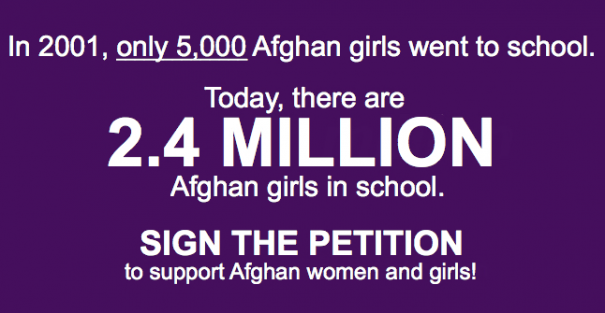
Let’s peel back the layers. Education for girls in Afghanistan has become not just an aspiration but a perilous endeavor. Female students risk their lives for the right to learn. Schools are not just institutions of knowledge; they are battlegrounds where the will to empower oneself clashes with an oppressive ideology. President Obama’s voice could serve as a clarion call—an urgent plea for educational access that transcends cultural and geographical boundaries.
In the realm of healthcare, the challenges multiply. Women’s health services, especially reproductive health, have faced monumental setbacks. When the regime imposed restrictions didactic in nature, it curtailed the fundamental right of women to make decisions regarding their own bodies. President Obama must leverage his platform and experience to elevate this discourse. The international community cannot condone a health crisis masquerading as cultural preservation.
Amplifying Voices: The Importance of Allyship and Support
The idea that the struggles of Afghan women and girls hold less significance because they occur outside of our national borders is an elitist fallacy. Feminism urges us to knit our narratives with those of women from varied backgrounds. The symbiotic relationship between humanity and feminism cannot be overstated; it is a virtuous circle that strengthens the very fabric of society.
Solidarity is not enough; we need actionable allyship. President Obama must actively champion Afghan women’s causes, demanding their representation in all international discussions. It is not merely about benevolence; it’s about fostering an equitable framework where women can advocate for themselves. We must urge for global platforms that amplify Afghan voices—creating space for them to narrate their experiences and aspirations. This is more than mere advocacy; it’s an invitation to reclaim agency.
What’s more alarming is the fate of those who dare to challenge the status quo. Advocacy for women’s rights in Afghanistan can be dangerous, not just from a political standpoint but also from a social one. Women who engage in public life or become activists face the specter of violence, abuse, and even death. President Obama has the chance to light the path forward, ensuring global sanctions against those persecuting activists and aiding those who stand up against oppressive forces.
Vision for a Sustainably Empowered Future
As we critique the failures of past administrations, it becomes clear that a comprehensive strategy must prioritize women’s empowerment, not merely as a side note but as a primary objective. It’s about guaranteeing that gender equality is woven into the very fabric of Afghan society and governance. The future of Afghanistan cannot be envisioned without the active participation and representation of women.
We must challenge the misguided notion that Western intervention equates to imperialism. Instead, advocate for an enriched collaboration that embraces cultural sensitivities while demanding basic human rights. This hybrid approach advocates for women’s fundamental rights, emphasizing that the state must account for their needs. President Obama must lead by example, urging policy frameworks that prioritize gender-sensitive initiatives, reflecting the desires and aspirations of Afghan women.
It’s imperative to extend support for grassroots organizations within Afghanistan that work tirelessly for women’s rights. By aligning with regional actors who understand the nuanced sociopolitical landscape, efforts can be genuinely transformative. Urging President Obama to support international partnerships encourages localized solutions that have engrained gender equality as central tenets within Afghan society. Change is most sustainable when it sprouts from within.
Indeed, legislative frameworks should be the last piece of a multilayered strategy to guarantee women’s rights. The international community, led by influencers like President Obama, must forge pathways for economic support and job creation that empower women. When women can be the architects of their own futures, a generational shift occurs. They become catalysts for change in their communities, sparking a chain reaction that sustains equity far beyond our comprehension.
In conclusion, the time to act is now. Afghan women and girls stand on the precipice of survival—facing challenges that reveal the raw edges of humanity. It is our responsibility to raise our voices collectively, urging vested leaders, including President Obama, to recognize, advocate, and act upon the dire situation unfolding in Afghanistan. Their rights are not up for negotiation; they are inherent and unyielding. Together, we must galvanize efforts to ensure no Afghan woman or girl feels voiceless or abandoned. The world is watching, and history will undoubtedly judge us by the compassion we extended and the action we undertook. Let’s not just become advocates; let’s become the change we wish to see.