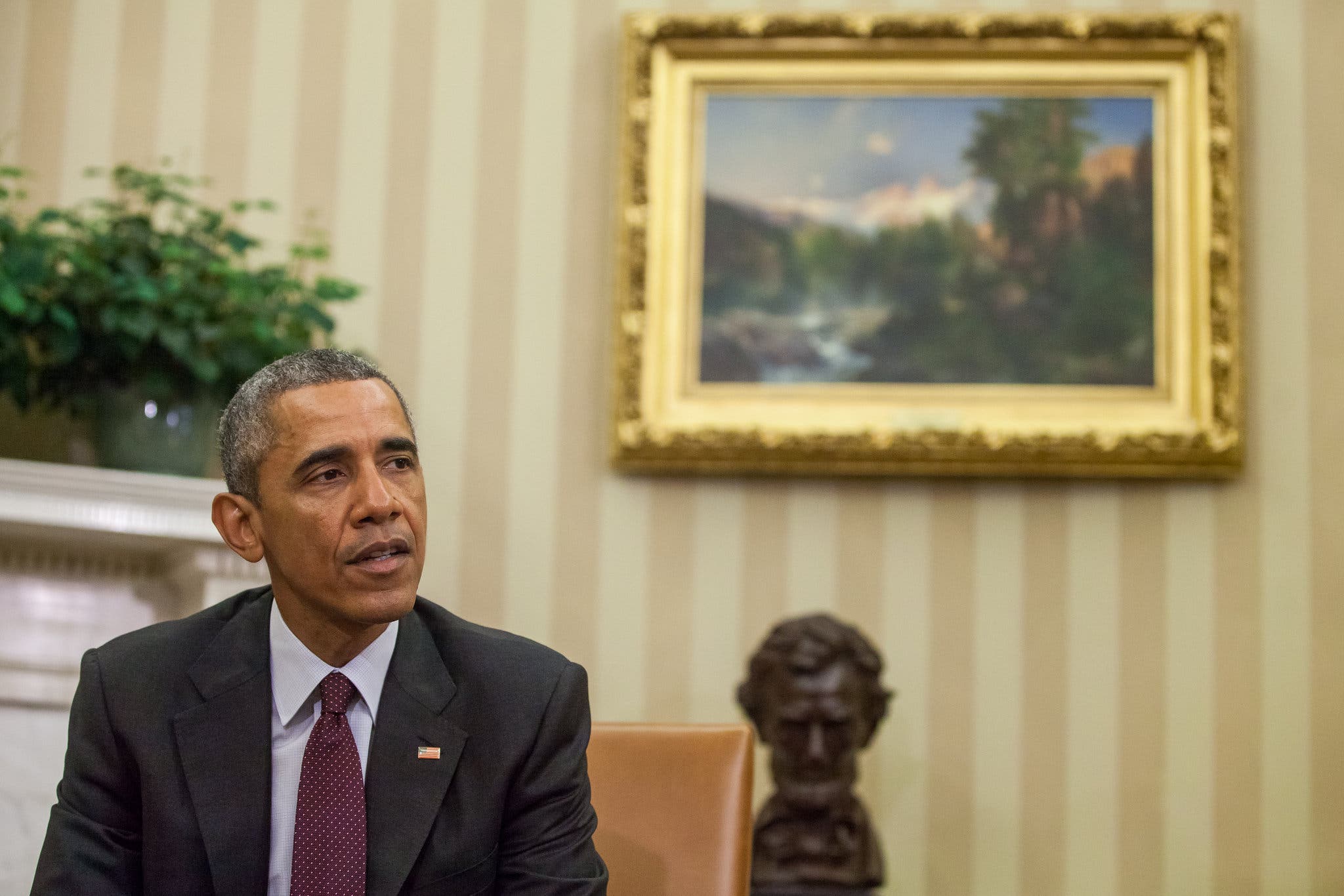
In the relentless hustle of modern existence, wherein the clock dictates every facet of our lives, the specter of illness looms ever closer. Workers, particularly women, have traditionally shouldered the burden of both professional obligations and familial responsibilities. This societal malaise reached a boiling point when former President Obama took a bold step to issue an executive order establishing paid sick leave for federal contractors. The implications of this edict stretch far beyond the mere provision of sick days; they encapsulate the essence of gender equity, community health, and the fight against systemic economic disparities.
For millennia, women have been the backbone of both the workforce and the household. Yet, when they fall ill, the burden of care still largely rests upon their shoulders. When parents cannot afford to take time off work to nurse a sick child, or vice versa, it exacerbates the cycle of poverty and degradation of health. This executive order holds the potential to alter the societal fabric, knitting together the threads of responsibility, rights, and respect for workers. Let us delve deep into why this is a watershed moment in the struggle for labor rights, viewed through a feminist lens.
The Stretched Backbone of America: A Feminist Perspective on Economic Inequity
Notably, the workforce in America is predominantly composed of women, particularly in caregiving roles. Yet, these positions are often underpaid and undervalued—a paradox where the nurturing spirit is rewarded with financial instability. Women are disproportionately represented in low-wage jobs, making the fragility of their financial security even more precarious. The absence of paid sick leave exacerbates this situation, compelling women to choose between maintaining their livelihoods or caring for themselves or their loved ones.
The executive order mandated by Obama is not simply a progressive gesture; it holds profound implications for social justice. It is a direct affront to the historical neglect of women’s labor rights. As empowered activists and advocates, recognizing the necessity for mechanisms that ensure free and equitable working conditions is crucial. For instance, when a woman can take a sick day without fear of financial repercussions, it lays the groundwork for a more balanced distribution of labor—both domestic and professional—between genders.
Moreover, this executive action signifies a shift in the governmental approach towards family-friendly policies. By framing paid sick leave as a worker’s right rather than a privilege, it challenges the archaic neoliberal narrative that valorizes productivity over well-being. This reframing is critical not just for women, but for a society that desperately needs to embrace a holistic view of workers’ health.
Breaking Down Barriers: The Right to Heal and Support
In the grand tapestry of societal progress, the right to care is intertwined with the right to heal. The sick leave order serves as a pivotal structural change that seeks to dismantle the barriers faced by caregivers—often women—who are tirelessly juggling work and personal responsibilities. The irony of working multiple jobs, both at home and within an office, while not receiving adequate support is a dilemma that needs urgent redress. Why should caregiving be marginalized and regarded as a secondary concern?
Acting as a conduit for social Change, this initiative highlights the importance of recognizing paid sick leave as a fundamental aspect of a compassionate society. It empowers women—not just as workers, but as active participants in their quest for social justice. By enabling them to take sick leave, women regain agency over their health and well-being, which inadvertently affects the entire workforce. A woman who is healthy and supported can contribute more effectively and passionately to her role, fostering greater productivity.
Long-term societal health lies with the acknowledgment of the emotional toll that accompanies illness. When paid sick leave exists, workers can better navigate their physical realities without succumbing to shame or fear. It creates a culture that values human beings over mere output, leading to increased morale and a strengthened community fabric. Hence, the dialogue around sick leave must nudge towards the necessity of fostering healthy environments, emotionally, physically, and financially.
The Vicious Cycle of Illness and Poverty: Why This Matters More Than Ever
Paid sick leave transcends individual gain; it is an investment in the collective well-being of our communities. By ensuring that workers have access to paid sick leave, we begin to actively combat the dire statistics surrounding health disparities and financial precarity. The connection between health and economics is undeniable. When workers, especially those in low-income brackets, are deprived of paid sick days, they are forced to choose between their health and their financial future, ensnaring them in a vicious cycle.
This cycle is further exacerbated by the gender wage gap, with women earning substantially less than their male counterparts. For many women, especially single mothers, the loss of income due to illness can prove catastrophic, forcing them into impossible predicaments. The executive order introduces a glimmer of hope—a potential dismantling of this cycle, offering women the opportunity to prioritize their health without suffocating socioeconomic repercussions.
Revolutionizing Work Culture: Embracing Empathy and Health
The notion of paid sick leave is not merely a policy change; it is a revolutionary shift in work culture. It necessitates a collective paradigm shift towards empathy, care, and human rights. For young activists and future leaders, advocating for policies that prioritize well-being over profit may become a hallmark of their advocacy in the coming years. Replacing the corporate mentality of grind and toil with a culture of understanding and support can only result in a healthier society.
As we march forward, it’s imperative to harness the energies of the youth, their creativity, and their passion for social justice. Empowering them to uplift the principles of equitable treatment and rights at work will lead to meaningful changes. A voice for reform must resonate through activism on platforms that champion not only workers’ rights but also broader systemic reforms—aiming for gender equity at its core.
Striking the Balance: The Future of Workers’ Rights
Obama’s executive order on paid sick leave not only represents a significant achievement for labor rights but also serves as an important step in the larger movement for feminism. By ensuring that workers have necessary support during times of illness, we begin to forge a new reality where gender equity isn’t merely an aspirational idea—it becomes an actualized goal.
Looking forward, the path will indeed be layered with challenges. It will require sustained advocacy and commitment from all corners of society—from individual activists to influential policymakers. The battle toward achieving universal access to paid sick leave will pulsate with the justly asserted demands of a society that recognizes the value of its workers.
In conclusion, we find ourselves at a crucial juncture. As advocates, feminists, and workers, we must persist in our fight for systemic changes, bearing witness to the myriad connections that intersect—where labor rights, health equity, and gender justice entwine to create a more just society. The revolution is not only necessary; it is attainable, and the foundation laid by this executive order can become the catalyst for a future that cherishes every individual’s right to health and dignity. Together, let us continue to advocate for the changes that will ensure that the right to heal is never compromised, especially for those who give so much of themselves, both at work and at home.