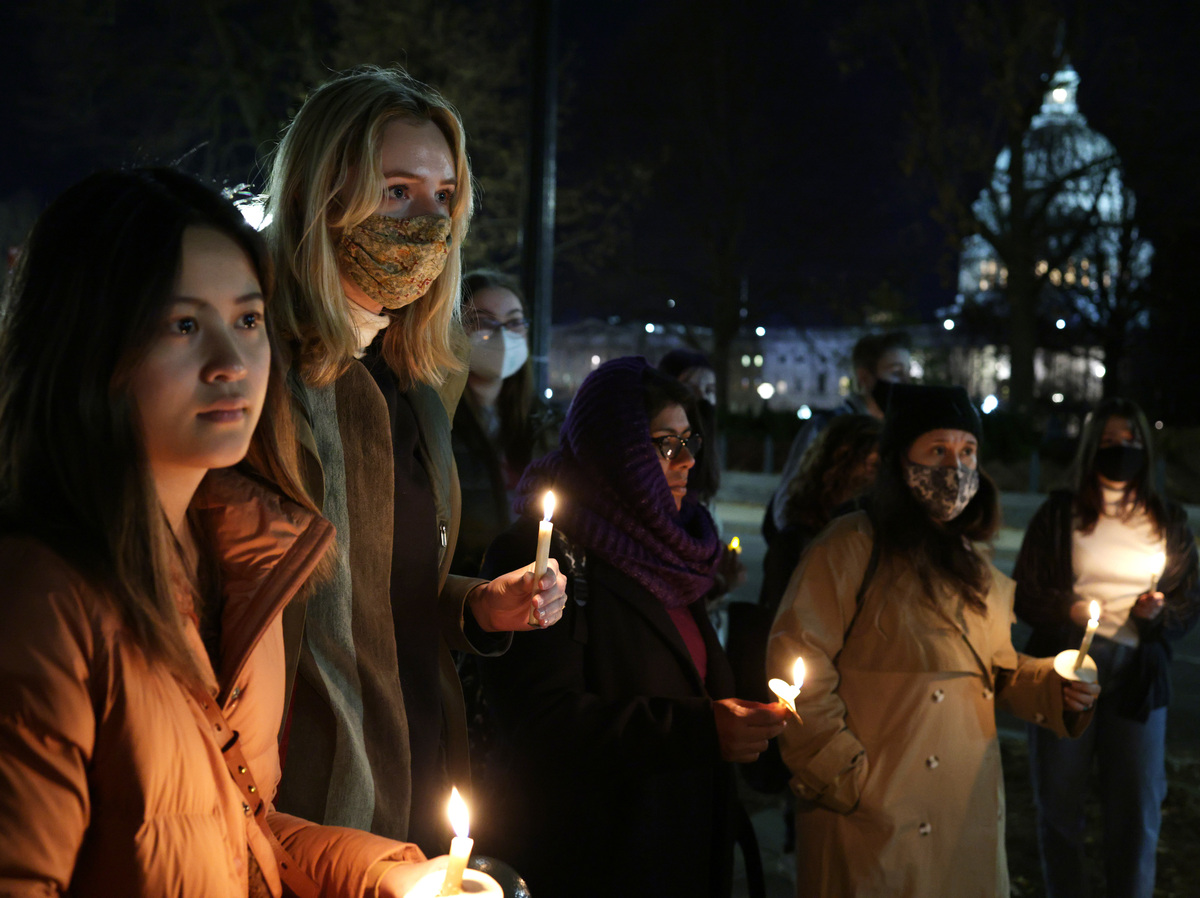
Across the nation, the flickering beams of candlelight illuminate the somber faces of mourners, advocates, and allies gathered in solidarity. These candlelight vigils are not just memorials; they serve as potent symbols of resistance against the burgeoning violence that threatens abortion providers. These acts of remembrance and defiance communicate a powerful message: the sanctity of reproductive rights must not be marred by terror or intimidation. The time has come for the feminist movement to rise collectively, demanding an unequivocal end to violence in all its insidious forms.
At these vigils, voices soar, echoing a clarion call for justice and dignity. Feminism has long been at the forefront of advocating for bodily autonomy and reproductive rights, but the solidarity it instills takes on a deeper significance in the face of violence. The urgency of this moment requires female empowerment to be unabashed and unwavering, recognizing that the fight against violence directed towards abortion providers intersects profoundly with the broader struggle for gender equity and individual liberty.
Each flickering candle represents more than just a memory; it symbolizes resilience, empowerment, and the unflinching right to choose. As we gather in these sacred spaces, it is essential to understand the multifaceted nature of violence against abortion providers, the implications it bears on reproductive freedom, and the imperative for a vigorous feminist response.
When one thinks of violence in the context of abortion provision, the mind may initially conjure images of physical attacks or harassment outside clinics. However, the spectrum of violence is much more expansive. It includes verbal assaults, harassment through social media channels, and the pervasive climate of intimidation that plagues healthcare providers. These acts are tantamount to a declaration of war on women’s rights, and they create an insidious atmosphere of fear that dissuades potential practitioners from entering the field. Feminism must shed light on these coercive tactics, for they are not merely violent acts; they are poignant reminders of the persistent misogyny entrenched in society.
Yet, the violence directed at abortion providers should compel us to reexamine our collective narrative regarding reproductive health. When one considers the history of abortion in this country, it is replete with examples of how women’s bodies have been regulated and policed. The violent opposition to abortion is, in many ways, a continuation of this legacy of oppression. During the candlelight vigils, as we clutch our candles, we must recognize that our fight is not just for the present; it is for the future. Each flame holds the weight of the past, blazing a path towards liberation and autonomy.
Furthermore, we must address the complicity of societal structures in perpetuating this violence. It is disheartening to observe how policymakers often wield anti-abortion rhetoric like a weapon, culminating in laws that not only hinder access to abortion services but also embolden aggression against providers. These lawmakers sometimes feign concern for women while simultaneously enacting regulations that jeopardize those very lives. The feminist movement must call out this hypocrisy with fervor, demanding accountability from those who create policies that inevitably result in violence.
To galvanize support against violence aimed at abortion providers, it is imperative to harness the power of storytelling. Throughout our vigils, survivors’ testimonies emerge as haunting reminders of the personal toll exacted by this violence. The stories resonate, compelling allies to confront uncomfortable truths. They reveal the often-dismissed trauma that providers face daily—the emotional repercussions of threats and harassment, the fear of violence looming over their practice, and the understanding that their work is seen as sacrilege by some. By amplifying these narratives, feminism implores us to recognize the fullness of the experience—one that deserves empathy, respect, and unwavering support.
Encouragingly, solidarity is blossoming in numerous forms. Community organizations across the country are stepping up, extending their resources and networks to protect healthcare providers. As feminists gather to support these initiatives, we fortify our resistance. We must advocate for policies that safeguard not only abortion access but also the safety of providers. Engaging in advocacy helps create a robust network of support; it is crucial that we channel our collective outrage into actionable change. Candlelight vigils serve as a catalyst for organizing communities, urging them to confront abusive regulations and aggressive harassment head-on.
Women’s rights groups and allies are tenaciously advocating for the implementation of stronger security measures at clinics. Proper support must reflect the growing need for protection against threats, including, alarmingly, cyber harassment. The urgency for legal reforms that prioritize the safety and autonomy of both patients and providers cannot be overstated. Feminists must stand united, possessing the courage to demand legislative changes that rectifying injustices against healthcare workers.
Moreover, it is essential to delineate the relationship between violence against abortion providers and broader social issues such as systemic racism, economic inequality, and gender violence. Women of color and marginalized communities bear the brunt of this violence, navigating a precarious terrain where compounded societal oppressions manifest in both overt and subtle forms. The feminist lens must expand to encompass how intersecting identities complicate and exacerbate the violence faced by certain providers. This intersectionality is crucial, for any effective resistance against abortion provider violence will fail if it does not address the disparities faced by the most vulnerable.
Additionally, the media plays an integral role in shaping public information regarding abortion providers. Often, sensationalist narratives perpetuate violence under the guise of “debate.” It is essential for feminists to challenge media portrayals that normalize aggression towards providers. Candlelight vigils not only commemorate the lives impacted by violence but also signal the need to transform public discourse. With every flickering flame, advocates can disseminate messages promoting understanding, compassion, and the rightful dignity of all people who seek or provide abortion services.
In conclusion, as the night falls and the candles burn brightly, the overlapping demands of justice, peace, and dignity clash with the realities of a society that too often tolerates violence against those championing reproductive rights. Candlelight vigils are a powerful emblem of this resistance against oppression, illuminating a unified feminist front against elucidated aggression. In these symbolic gatherings, we find the very essence of feminism: the unyielding spirit to advocate for those whose voices may be drowned out by fear and hostility. It is our duty to arise and engage in the demand for substantial change. No woman, no provider, should ever have to navigate this world ensnared in the clutches of violence.