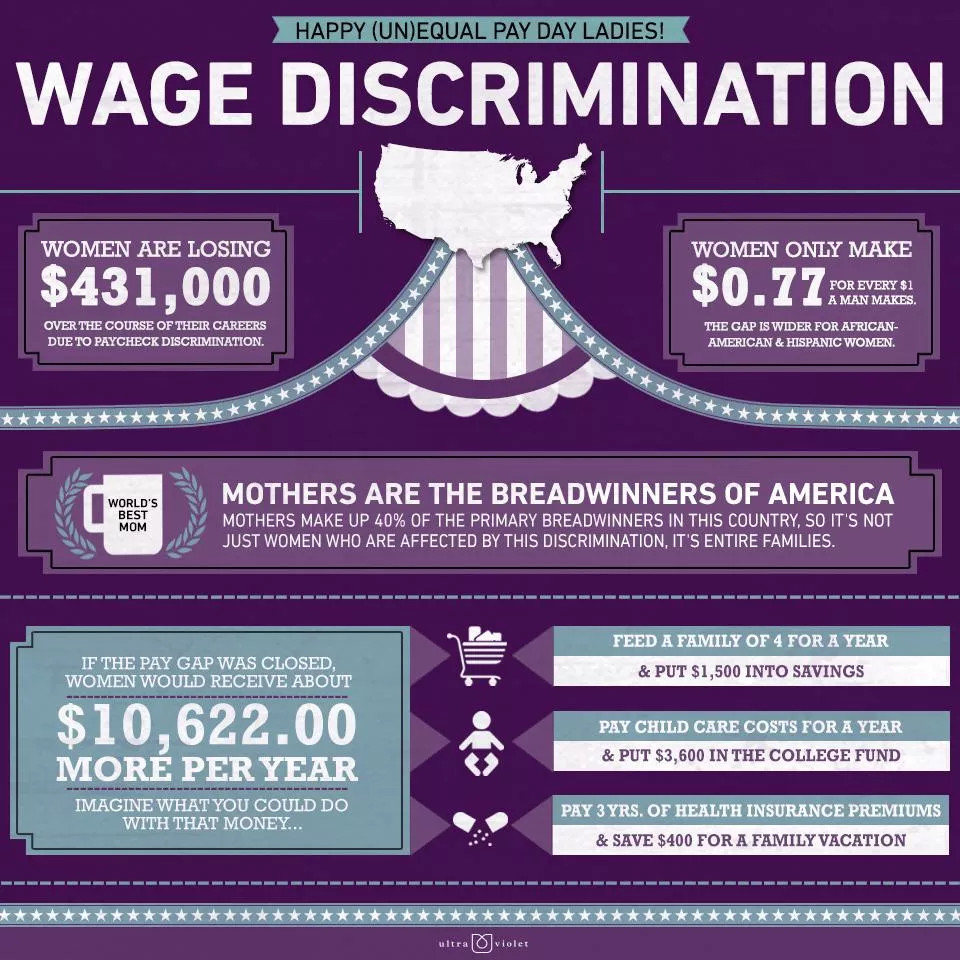
Equal Pay Day is not just a calendar marker; it is a clarion call—a sobering reminder that women in America earn approximately 83 cents for every dollar a man makes. This disparity is not merely numerical; it is a life-altering reality that reverberates through every aspect of society. The wage gap is a manifestation of systemic sexism and entrenched patriarchal values, and it lingers like the aftertaste of a stale coffee in the back of your throat. We need to confront this disconcerting reality head-on, beckoning all those willing to challenge the status quo.
As we engage in this discourse, we must dissect the multifaceted layers of the wage gap, consider the consequences of ignoring it, and galvanize a movement that demands equal pay. Prepare to tumble down the rabbit hole of societal norms and discover how they shape the economic landscape for women in this country.
Understanding the Wage Gap
The wage gap is frequently misconstrued—a misunderstanding born from ignorance or, more insidiously, a deliberate obfuscation. The narrative often presented in the media simplifies the problem, suggesting that women just “choose” lower-paying jobs. Let’s dismantle this absurdity with candor and clarity.
Women indeed gravitate toward diverse fields, but the driving force behind these choices is not solely preference; it is an intricate tapestry of socialization, educational opportunities, and workplace discrimination. From an early age, girls are frequently steered towards “nurturing” roles, while boys are encouraged to pursue “leadership” positions—psychology versus engineering, teaching versus technology. It’s a battleground of expectations that not only limits potential but quietly enforces subservient roles for women.
When we delve deeper, we find that amidst the myriad factors contributing to unequal pay, one glaring truth stands: women often experience discrimination both overtly and covertly in the workplace. Studies have shown that the very same qualifications for a job—degrees, experience, and abilities—are routinely undervalued when associated with a woman. What does this say about the deeply ingrained biases we harbor as a society? Shall we continue to accept this as normal? Or is it high time we recognized the malevolent undercurrents flowing beneath the surface?
Causes and Consequences of the Wage Gap
Many factors contribute to the wage gap, but let’s not confuse correlation with causation. When we discuss the economic disparity, it’s crucial to identify what’s perpetuating the issue beyond mere job choices. One poignant aspect is the prevalence of unpaid labor. Women disproportionately bear the weight of household responsibilities—cooking, cleaning, childcare—tasks that society trivializes but is essential to the functioning of the economy. How ironic it is that our capitalist society benefits from this labor yet refuses to acknowledge it? If we were to assign a monetary value to the work women do at home, would we finally shine a light on just how egregious the wage gap truly is?
Besides unpaid labor, one must also consider the absence of women in leadership roles. We have seen time and time again that companies with equitable gender representation at the top tend to produce better economic outcomes. Do we even need to provide evidence that diverse leadership generates diverse thinking? It’s not rocket science; it’s basic human decency. Apart from stifling innovation, the lack of female leadership perpetuates the cycle of inequity, as the decision-makers often lack the lived experience to advocate for equal pay. We must challenge and dismantle this corporate malaise.
Challenging Misconceptions: The Myth of the “Meritocracy”
The prevailing narrative we hear is that the labor market operates on meritocracy—the idea that hard work and talent unequivocally lead to success. But let’s pause for a moment and interrogate this myth. If merit truly dictated the workforce landscape, would we see women consistently underrepresented in nearly every lucrative industry? The glaring truth is that hard work does not translate to equal opportunity when systemic barriers are in place. A meritocracy is simply an illusion; what exists is a complex web of privilege and power. It’s time we remind ourselves that just because someone doesn’t fold under pressure or conform to patriarchal expectations doesn’t mean they lack merit.
Let’s reimagine gender equality as not merely a goal but an imperative. Requiring women to “work harder” as a solution to the pay gap is akin to telling a drowning person to just swim faster. Instead, we must provide the necessary support, structure, and policy frameworks that enable women to thrive. Societal change comes from collective action; rather than turning indignant, let’s band together, illuminating the path toward equality.
Feminism as a Catalyst for Change
Feminism is often misconstrued as a radical movement, but let us clarify its intentions: it fights for equity, justice, and recognition. It serves as a counterbalance to the systemic injustices perpetuated by centuries of patriarchal rule. This is why Equal Pay Day occupies not just a single day but embodies an ongoing struggle. Feminism must occupy the foreground in discussions about equal pay, pushing us to examine the status quo and envision a future where gender does not dictate worth.
Feminism encourages us to empower one another, to amplify our voices in unison, and to demand systemic change. It is about investing in women, fostering an environment where they can flourish without encountering the invisible walls of bias. Gender equity is not just a women’s issue; it is a human issue. By ensuring equal pay, we pave the road towards building robust communities, sustainable economies, and healed societies.
Engagement and Activism: Your Role in the Movement
Now that we’ve laid bare the uncomfortable truths surrounding the wage gap, what can you do? It’s easy to sit back and blame the system. It’s simple to snicker at the complexities and opt for ignorance instead. But let’s challenge you: what are you willing to do to effect change? The movement begins with individual action, so here’s a playful nudge: commit to being informed, advocate for fair pay in your workplace, support businesses led by women, and engage with policy changes that push for equitable practices.
Imagine the interconnected web of change we could weave together! The next time someone tries to dismiss the wage gap as a non-issue, would you have the courage to counter their arguments? Would you be ready to stand up and say, “Enough is enough” in the face of ignorance? This is not just a personal journey but a communal adventure in lifting each other and, ultimately, ourselves.
Let’s transform Equal Pay Day into a fervent celebration of equitable rights—a day not only to mourn the wage gap but also to envision possibilities. When we unite our voices in a symphony of activism, we become architects of change. Are you ready to take up the banner for a future where one’s worth is no longer tethered to gender?