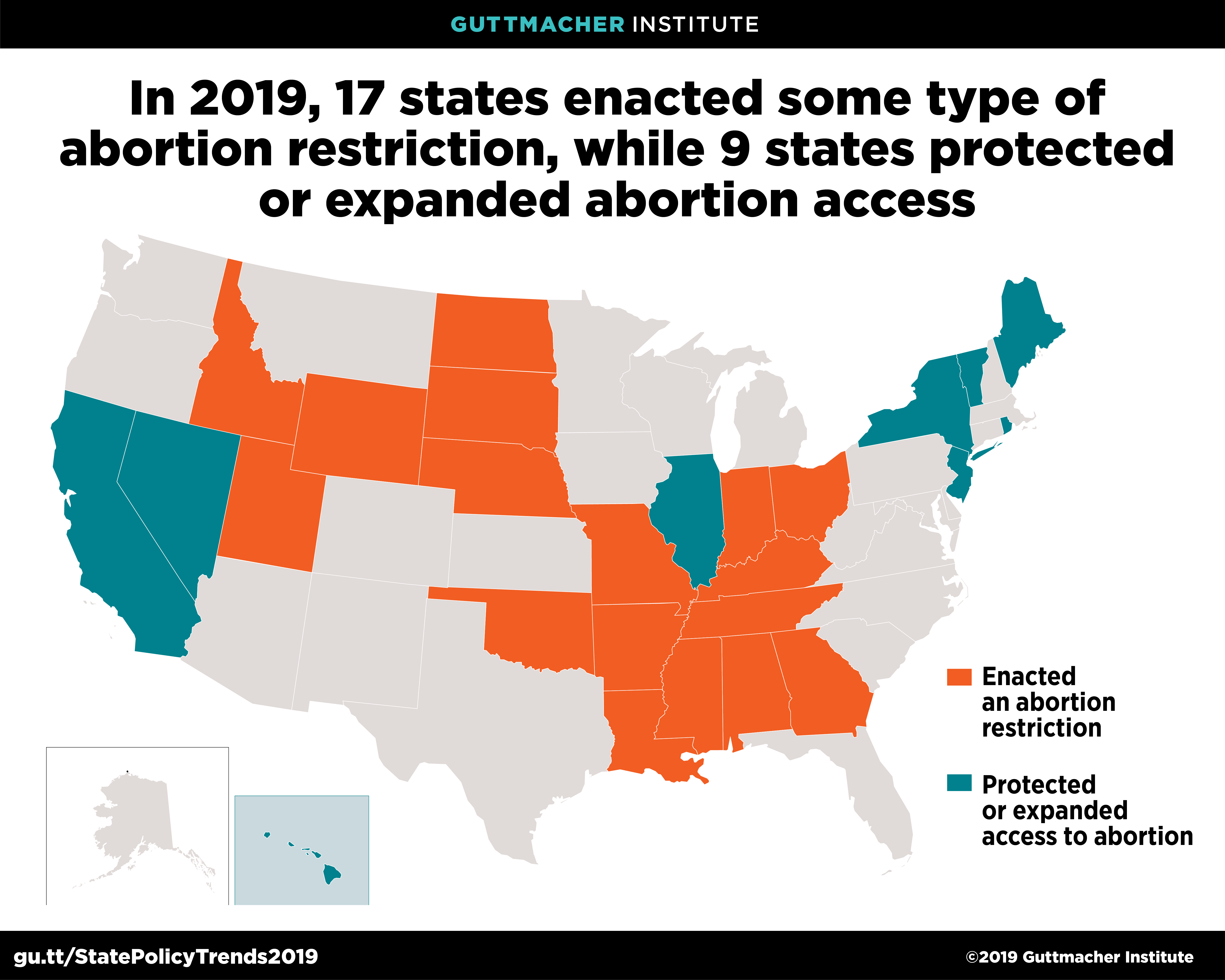
In the kaleidoscopic landscape of reproductive rights, the advent of safe and legal online abortion access marks a pivotal evolution in the struggle for bodily autonomy. The conversation has transcended the physical confines of clinics and hospital waiting rooms, delving into the digital universe where information flows uninterrupted and accessibility knows no geographical bounds. Yet, despite the numerical rise in states enabling such access, a plethora of socio-political barriers continue to preside over these developments. This discourse invites us to unpack the unvarnished truths surrounding online abortion access and its implications for feminists and society at large.
The burgeoning access to safe online abortion services does not merely represent a change in methodology; rather, it signifies a radical empowerment of marginalized individuals seeking control over their reproductive choices. However, navigating this brave new world requires vigilance, advocacy, and an unwavering commitment to preserving the sanctity of choice.
The digital realm is often touted as an equalizer, yet it possesses complexity that must not be overlooked. In essence, technology holds the potential to democratize healthcare but simultaneously risks exacerbating existing inequities. This intricate dichotomy forms the cornerstone of our exploration.
Understanding the implications of safe online abortion access begs an examination of its access and reach. The core of this access must be predicated upon inclusion. Marginalized communities, particularly low-income individuals and people of color, often face significant barriers in accessing traditional abortion services—in many cases, those barriers persist even in a virtual environment.
Ironically, while technology promises to bridge the gap created by systemic inequities, it can also perpetuate them. Issues surrounding internet access, digital literacy, and the availability of comprehensive telehealth services reveal an arena rife with disparities. Such variables hint at systemic issues that might leave the most vulnerable behind. This underscores an urgent need to ensure that online abortion services are not merely a privilege for the few but a right for the many.
Delving deeper, one could argue that the true genius of online abortion access lies in its ability to dismantle the stigma often associated with the procedure itself. Concealed in the shadows of societal judgment, many individuals choose silence over their reproductive choices. By shifting this dialogue to a digital platform, there emerges the potential for greater visibility—stories and experiences that expose the shared lived realities behind the decision to seek an abortion. The proliferation of online communities offers solidarity, creating a space where individuals can find not only support but also an affirmation of their choices. This phenomenon can be a powerful catalyst for societal change. And yet, one must confront the ongoing backlash against these services that perpetuates fear and misinformation.
In contrast to this burgeoning online framework, the reactionary forces against reproductive rights have become fiercely organized, strikingly adamant in their opposition. The backlash against safe and legal abortion access serves to starve not only individual choices but the collective empowerment that comes with them. As we witness a sporadic array of restrictive legislation aimed at reproductive healthcare, one must contemplate the profound moral bankruptcy underlying these incursions into personal sovereignty. A curious irony exists in this dynamic: policies that aim to protect so-called “life” often diminish the actual lives and choices of countless people capable of bearing children. How can we tolerate such a contradiction?
An aspect of the online abortion access narrative that demands attention is the legal labyrinth surrounding abortion itself. As some states move to embrace innovative telehealth solutions, others hatch clever legislative strategies to obfuscate these progressions. This conundrum illustrates the precariousness of state laws juxtaposed against the rapid development of technologies capable of circumventing these barriers. Moreover, the legal framework must be reconciled with the reality of how news circulates in the digital sphere. Establishing safeguards that respect individual autonomy while remaining compliant with local laws is a challenge that requires deft navigation.
The intersection of technology and reproductive health is rife with potential, yet it is rife with peril as well. Legal landscapes shift with the winds of political climates, and with them, individual safety and access. In this narrative, it is critical to involve healthcare professionals—trusted voices who can skillfully navigate the complexities of providing information to individuals embarking on this journey. The role of telehealth in fostering safe and comprehensive abortion care must be highlighted, ensuring that individuals accessing services are met with informed consent, empathy, and support.
Furthermore, it would be remiss to discuss the implications of online abortion access without acknowledging the ethical considerations that accompany this evolving landscape. In a world where personal data is currency, the privacy of individuals seeking online abortions is paramount. This calls for stringent data protection measures that safeguard against potential misuse in order to protect the autonomy of those most vulnerable. The discourse surrounding online access cannot afford to overlook the consequences of surveillance and the ramifications of digital footprints left behind.
Moreover, the current political climate necessitates interrogating the roots of anti-abortion sentiment. Invariably, debates around reproductive rights intertwine with broader conversations about gender equality, healthcare access, and economic precarity. Do we truly believe that individuals deserve sovereignty over their bodies while simultaneously entrenching systemic obstacles to that freedom? To embrace the full spectrum of feminist values, one must acknowledge these complex intersections and wield them as instruments of advocacy and activism.
Thus, as we stand at this precipice of change, it is essential to re-envision our strategies for advocating for online abortion access. Grounded in solidarity and coherence, activists must coalesce around the shared goal of universal access. By amplifying voices from marginalized communities and centering their experiences within the movement, we open doors to radical inclusivity. The advancement of safe online abortion services is not merely an operational consideration; it is a feminist imperative.
As we navigate the murky waters of legislative intricacies, shifting societal attitudes, and technological advancements, it is imperative to remain vigilant. This evolution challenges us to interrogate not only the structures surrounding abortion but also the very essence of human rights. It compels us to question the narratives we’ve been told and craft one that empowers rather than confines.
In conclusion, as the pathway to safe and legal online abortion access unfolds, it demands a nuanced perspective. It beckons a synthesis of innovation, legal reform, and community-building. The stakes are high, and the collective voice must rise in unison against the currents seeking to undermine these vital rights. Empowerment and access must go hand in hand. It is an opportunity for transformation—a chance to illuminate the value of choice, respect for autonomy, and fortitude in the face of adversity.